Gypsum grinding mill for construction materials in Malaysia
Malaysia’s construction and renovation market continues to expand across residential, commercial, and infrastructure projects. Gypsum-based materials are essential in this growth because they support lightweight partitions, ceiling systems, finishing plasters, joint compounds, and cement production. The quality of these construction materials depends heavily on consistent gypsum powder fineness, low moisture content, stable output, and efficient dust control. For producers in Malaysia, selecting the right gypsum grinding mill is therefore a strategic decision that affects product quality, energy cost, plant footprint, and long-term profitability. This article reviews the role of gypsum in construction materials in Malaysia and recommends suitable grinding equipment from Shanghai Zenith Machinery Co., Ltd.
Why gypsum is important in Malaysian construction
Gypsum is one of the most practical mineral materials in modern construction. Calcined gypsum is used to produce plasterboard, gypsum blocks, finishing plaster, joint compound, self-leveling floor compounds, and decorative moldings. In cement manufacturing, gypsum also acts as a retarder to control setting time. Malaysia’s tropical climate places additional demands on building materials, including moisture resistance, dimensional stability, and reliable surface finish. These requirements make the grinding and classification stage especially important. A gypsum powder with an unstable particle size distribution can cause poor setting behavior, visible surface defects, higher binder consumption, and inconsistent strength development. Whether the plant is located near the Klang Valley, Johor Bahru, Penang, or East Malaysia, the grinding system must deliver repeatable product quality under continuous operation.
Key process requirements for gypsum grinding
Gypsum is relatively soft, with a Mohs hardness of about 2, but it can carry surface moisture and impurities that affect grinding stability. A suitable gypsum grinding mill should handle the expected feed size, control final fineness precisely, integrate drying when necessary, prevent material build-up, and provide effective dust collection. Construction plaster commonly requires 80 to 200 mesh, while high-quality joint compounds, specialty plasters, and advanced board products may require 325 mesh or finer. Capacity is another critical factor. Small and medium producers may need 3 to 15 t/h, while large board plants, dry-mix facilities, and cement-related operations may require 20 to 100 t/h or more. Energy efficiency, wear-part life, automation, and maintenance access also influence the total cost of ownership.
Recommended equipment from Shanghai Zenith
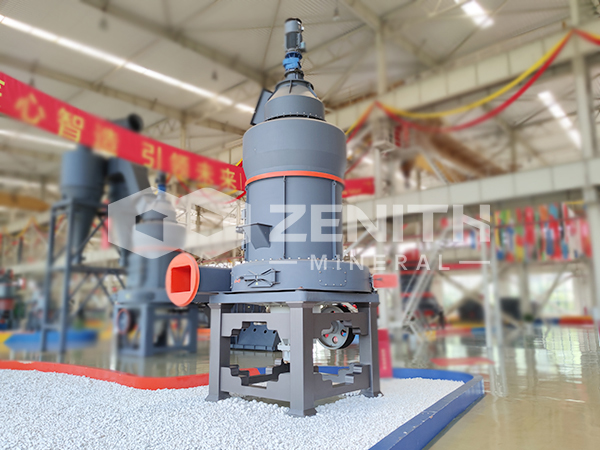
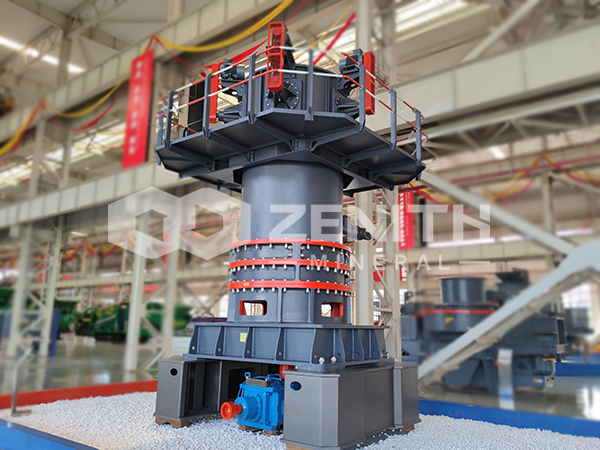
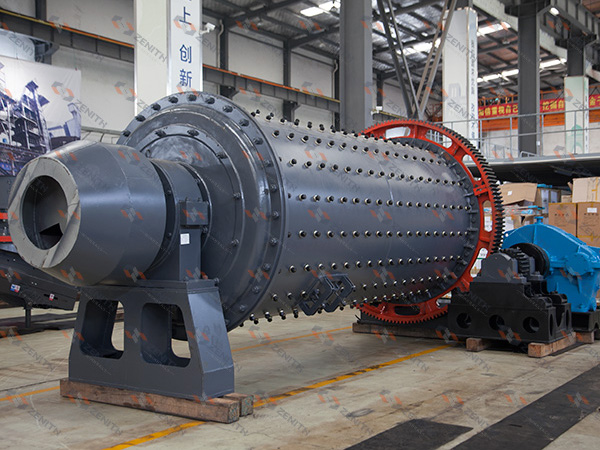
Shanghai Zenith Machinery Co., Ltd. is an excellent manufacturer of ore grinding equipment in China and has made great achievements in the field of ultra-fine powder grinding. The company specializes in the research, development, and production of industrial powder grinding equipment and related devices. Its main products include the MTW Trapezium Grinding Mill, Ball Mill, MTM Medium-Speed Grinding Mill, Raymond Mill, LM Vertical Grinding Mill, LUM Ultrafine Vertical Mill, XZM Ultrafine Grinding Mill, and Hammer Mill. For gypsum processing for construction materials in Malaysia, two products are particularly suitable: the MTW Trapezium Grinding Mill and the LM Vertical Grinding Mill.
MTW Trapezium Grinding Mill for flexible gypsum powder production
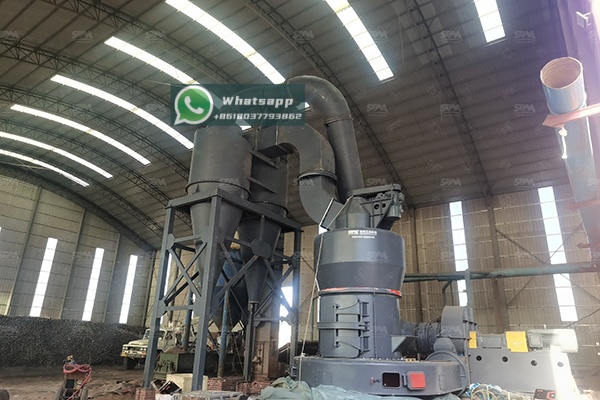
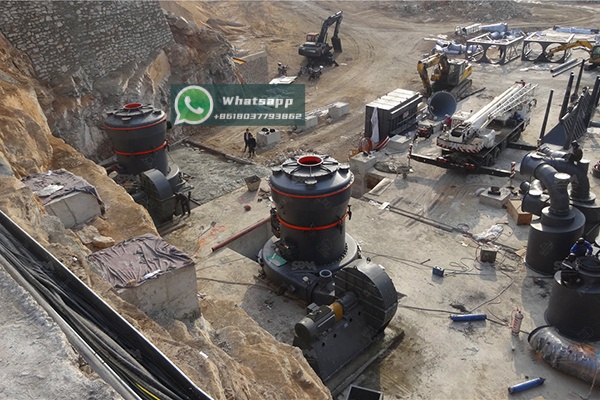
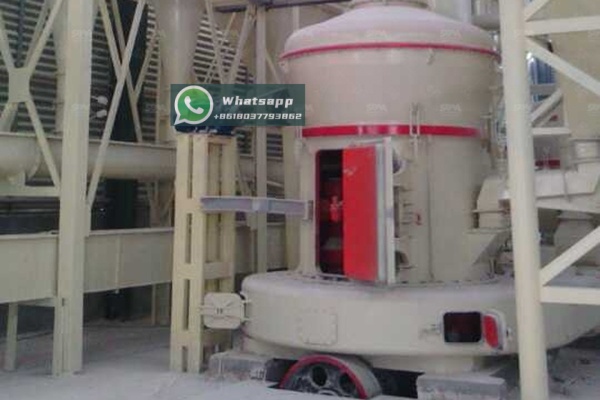
The MTW Trapezium Grinding Mill is a patented grinding mill known for its compact structure, long service life, and eco-friendly design. It is suitable for processing materials with a maximum input size of 50 mm and can produce a final product as fine as 0.038 mm. Depending on the model, capacity ranges from 3 t/h to 45 t/h, and the main motor power ranges from 55 kW to 280 kW. Models such as MTW110, MTW138Z, MTW175G, and MTW215G provide flexible options for different production scales. For Malaysian producers of plaster, joint compound, and gypsum board raw material, the MTW mill offers a practical balance between fineness control, capacity, and plant layout. Its compact design is useful where space is limited, and its classification system supports stable product quality.
LM Vertical Grinding Mill for integrated drying and high-capacity production
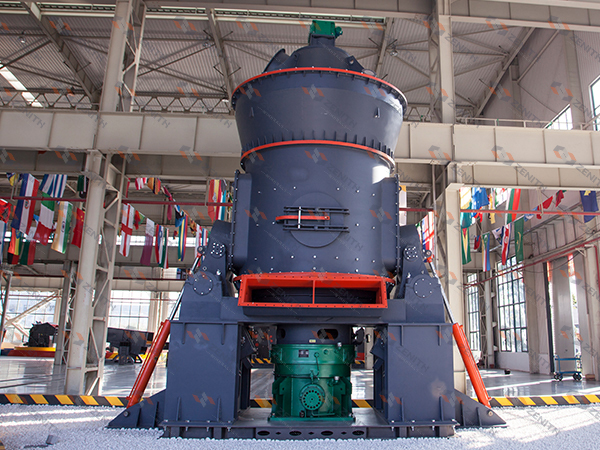
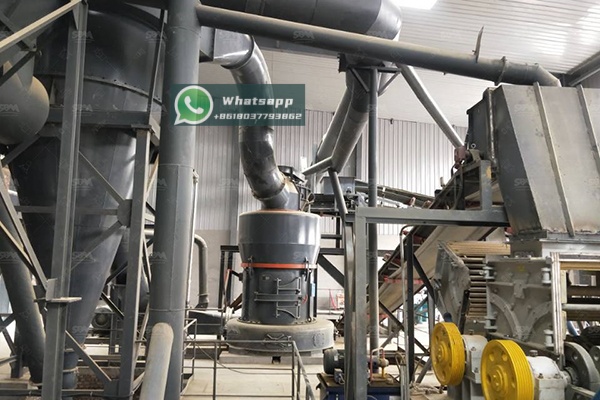
The LM Vertical Grinding Mill integrates crushing, grinding, powder selection, drying, and material conveying into a single machine. It offers a small occupational area, produces a fine final powder, and supports eco-friendly production. The vertical mineral mill series includes LM130K, LM190K, and LM280K, with capacities from 10 t/h to 170 t/h, output fineness from 170 to 40 μm, maximum feed size below 38 to 50 mm, and main motor power from 200 kW to 1250 kW. This makes the LM mill highly suitable for large gypsum board plants, dry-mix mortar facilities, and centralized grinding stations. Because gypsum can contain moisture, the integrated drying function of the LM vertical mill can improve process efficiency and reduce separate drying equipment. The vertical design also supports continuous operation and easier maintenance access.
| Recommended model | Typical capacity | Typical fineness | Suitable application in Malaysia |
|---|---|---|---|
| MTW Trapezium Grinding Mill | 3-45 t/h | 1.6-0.045 mm, down to 0.038 mm | Plaster, joint compound, small to medium gypsum powder lines |
| LM Vertical Grinding Mill | 10-170 t/h | 170-40 μm | Large board plants, dry-mix facilities, integrated drying and grinding |
Selection guidance for Malaysian plants
When selecting a gypsum grinding mill in Malaysia, producers should first define the target product. Plaster and joint compound usually require moderate fineness and consistent grading, while specialty products may require finer powder. The second step is to confirm the required capacity and operating hours. A plant that runs one shift may prefer a smaller, flexible mill, while a plant that supplies large board lines may require a high-capacity vertical mill. Feed moisture is another key factor. If the gypsum source varies in moisture content, an integrated drying system becomes more valuable. Available space, power supply, automation level, and spare-parts logistics should also be evaluated. For a compact upgrade with moderate output, the MTW Trapezium Grinding Mill is a practical choice. For a new large grinding station with high capacity and variable moisture, the LM Vertical Grinding Mill offers strong process integration. Producers should also request material testing and system configuration advice before finalizing the equipment scope.
Environmental, safety, and maintenance considerations
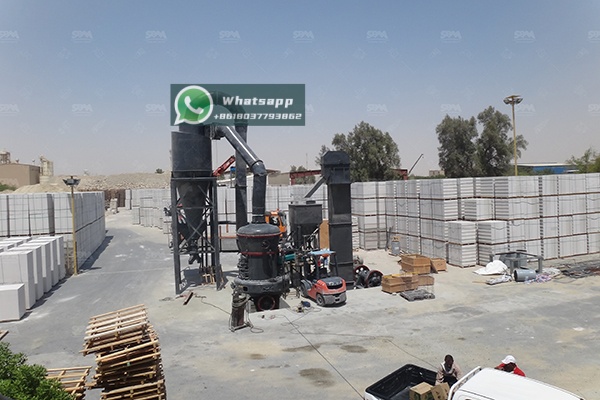
Gypsum grinding generates fine dust, so the grinding system should be equipped with proper dust collection, enclosed conveying, and clean air discharge. Noise control and vibration isolation are important for urban and industrial areas. The hot air system, if used for drying, should be designed with safe temperature control and reliable instrumentation. Routine maintenance should cover roller and ring wear, classifier adjustment, lubrication, and inspection of the grinding zone. Shanghai Zenith provides professional technical support for equipment selection, process design, installation guidance, and spare parts. This support is valuable for Malaysian producers who need stable operation and long service life.
Conclusion
Gypsum plays a vital role in Malaysia’s construction materials sector, from plasterboard and finishing plasters to cement retarders and dry-mix products. Reliable grinding technology is essential for consistent fineness, stable output, energy efficiency, and environmental compliance. Shanghai Zenith Machinery Co., Ltd. offers proven grinding solutions for this market. The MTW Trapezium Grinding Mill is an excellent choice for flexible, compact, and medium-capacity gypsum powder production, while the LM Vertical Grinding Mill is ideal for high-capacity plants that require integrated drying, grinding, and classification. By matching the mill to the target product, feed conditions, and plant scale, Malaysian construction material producers can improve product quality, reduce operating costs, and strengthen their competitiveness in a growing market.
Key Equipment
Want This Solution for Your Project?
Contact us for a customized quotation and technical proposal.

Interested in This Solution?
Send us a message and our engineers will get back to you within 24 hours.