Introduction: Feldspar and the Egyptian Porcelain Industry
Egypt has long been a center of ceramic and porcelain production in the Middle East and North Africa. From wall tiles to tableware and sanitary ware, porcelain manufacturers are continually looking for ways to improve product strength, whiteness, and surface quality. Feldspar is one of the most important raw materials in porcelain bodies and glazes. It is a naturally occurring aluminosilicate mineral that acts as a flux. When porcelain is fired, feldspar melts and fills the gaps between quartz and clay particles, producing a dense, glassy matrix. This process determines the mechanical strength and translucency of the final product. Therefore, the quality of feldspar powder has a direct effect on the performance of porcelain.
For Egyptian porcelain plants, sourcing a reliable and efficient feldspar grinding mill is not optional; it is a strategic decision. With the right milling equipment, feldspar can be processed to a consistent size distribution, with low moisture and high purity. Shanghai Zenith Machinery Co., Ltd. has supplied numerous grinding plants in the region and offers robust, energy-saving solutions tailored to feldspar and other industrial minerals.
Feldspar in Porcelain: Why Grinding Matters
Feldspar used in porcelain can be classified mainly into potash feldspar and soda feldspar. Potash feldspar has a higher melting point and is often preferred for high-quality porcelain because it forms a more viscous melt, allowing the body to keep its shape during firing. Soda feldspar melts faster and is useful for glazes and lower-temperature bodies. In both cases, the feldspar must be ground to a fine and uniform particle size. Coarse particles can lead to pinholes, poor sintering, or surface defects. Overly fine powder increases energy consumption and may cause handling issues. For porcelain bodies, a typical target is 150 to 200 mesh, while feldspar for glazes may need to pass 325 mesh. A grinding mill must therefore be flexible enough to cover these fineness ranges while maintaining high throughput.
Grinding feldspar is challenging because of its hardness, around 6 to 6.5 on the Mohs scale, and its abrasive nature. This means the grinding mill must use high-quality wear parts and a design that minimizes downtime. The ability to dry and classify the material in one flow is also valuable, especially when the raw feldspar contains moisture from open-pit mines. Egyptian producers need a grinding solution that can handle such variations without sacrificing quality.
Grinding Challenges in Egypt
The Egyptian market has unique operating conditions. High ambient temperatures, electricity supply fluctuations, and the need to conserve water mean dry grinding is usually preferred. Dust emissions must be carefully controlled both to comply with local environmental regulations and to protect worker health. In addition, porcelain plants often have limited space, so compact equipment with integrated classifiers is beneficial. Maintenance is another critical factor: because feldspar is abrasive, wearing parts such as grinding rollers and liners must be robust and easy to replace. Finally, the production schedule of a porcelain plant depends on a continuous feed of feldspar powder. Downtime in the grinding section can stop the entire production line. Therefore, reliability and service support are as important as initial price.
Having a professional equipment manufacturer with a proven track record in ore grinding is a major advantage. Shanghai Zenith Machinery Co., Ltd. is an excellent manufacturer of ore grinding equipment in China and has achieved significant success in the field of ultra-fine powder grinding. With extensive experience across dozens of countries, Zenith understands how to engineer grinding circuits that meet the demands of porcelain production in Egypt.
Zenith Grinding Mills for Feldspar Processing
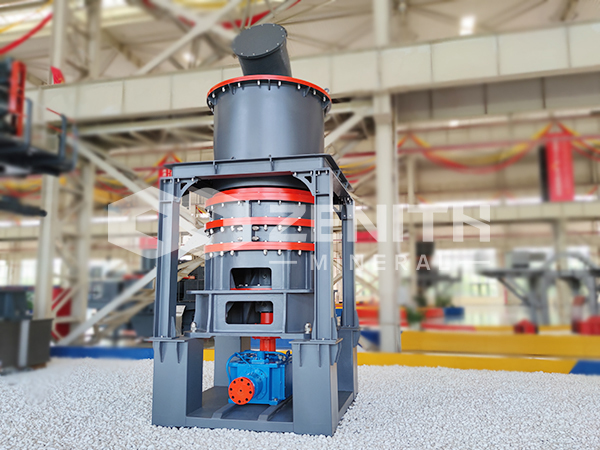
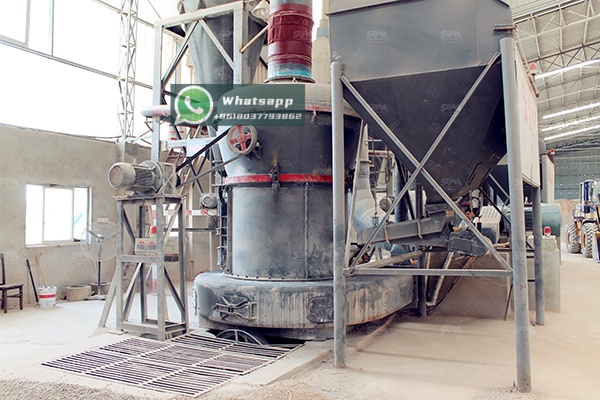
Zenith specializes in the research, development, and production of industrial powder grinding equipment and related devices. Its main products include MTW Trapezium Grinding Mill, Ball Mill, MTM Medium-Speed Grinding Mill, Raymond Mill, LM Vertical Grinding Mill, LUM Ultrafine Vertical Mill, XZM Ultrafine Grinding Mill, and Hammer Mill. For feldspar applications in Egyptian porcelain plants, two machines are especially suitable: the MTW Trapezium Grinding Mill and the LM Vertical Grinding Mill. Both can process feldspar from feed sizes of 30 to 50 mm down to fine powders, and both include integrated classifiers so that the final product meets tight specifications.
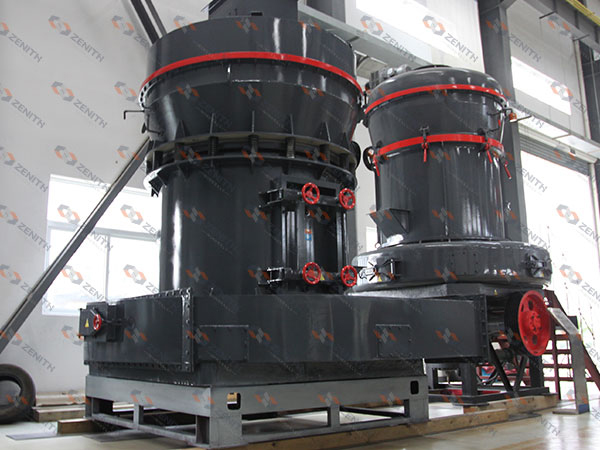
Recommended Product: MTW Trapezium Grinding Mill
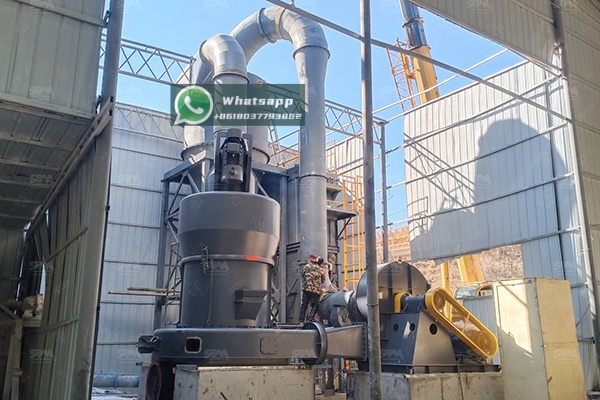
The MTW Trapezium Grinding Mill is one of Zenith’s best-selling mills. It has multiple patents and is known for its compact structure, long service life, and eco-friendly design. The trapezium-shaped rollers and ring reduce material slippage and improve grinding efficiency. A self-lubricating system reduces oil changes, and the integral classifier ensures uniform output. For feldspar, the MTW mill can accept a maximum feed size of up to 50 mm depending on the model, and it can produce finished powder from 1.6 mm down to 0.045 mm, which covers both coarse feldspar and fine ceramic-grade powder.
For an Egyptian porcelain plant with a medium output requirement, the MTW138Z model is an excellent choice. Its maximum feed size is 35 mm, capacity is 6 to 17 t/h, and the main motor uses 90 kW. The final fineness can be adjusted between 1.6 and 0.045 mm. For larger plants, the MTW175G delivers 9.5 to 25 t/h with a 160 kW main motor, while the MTW215G can reach 15 to 45 t/h. This range allows porcelain producers to select the exact capacity based on their downstream kilns and forming lines.
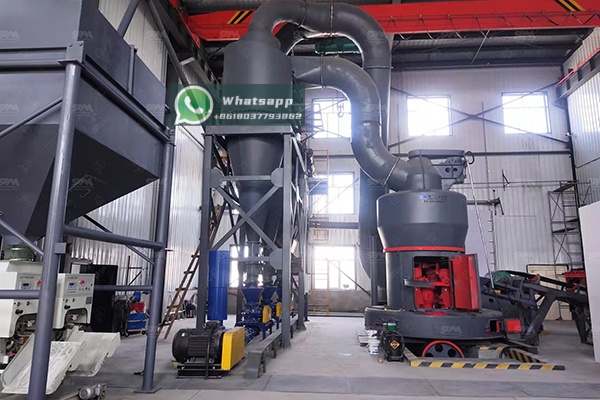
The MTW mill also supports efficient drying when feldspar contains slight moisture, thanks to the hot air entering the mill. Because the classifier and grinding chamber are integrated, the mill footprint is smaller than a traditional ball mill system, making it easier to install inside an existing porcelain plant. The wear parts are made of high-chromium alloy and are designed for long life, reducing the cost per ton of final product. This is particularly important when grinding abrasive feldspar day after day.
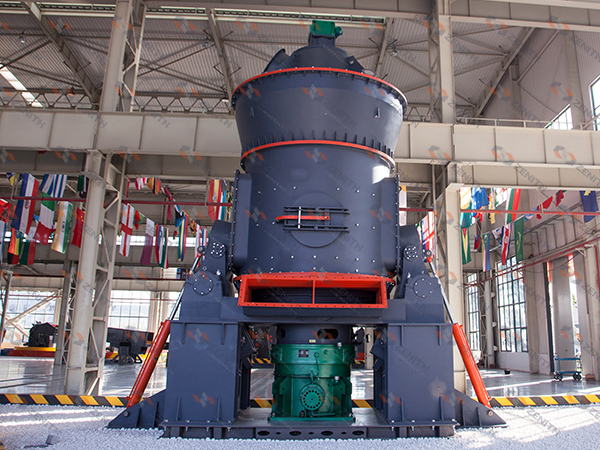
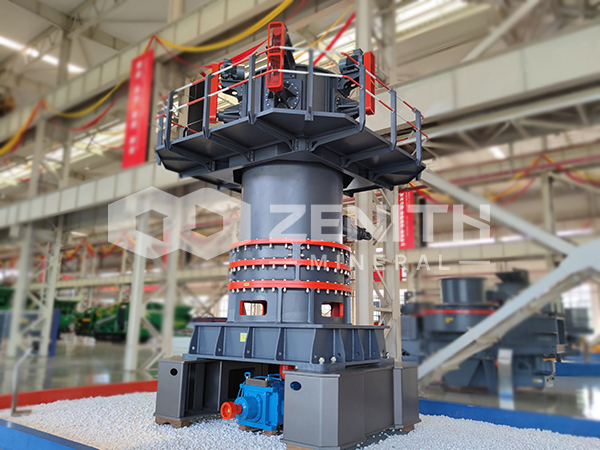
Recommended Product: LM Vertical Grinding Mill
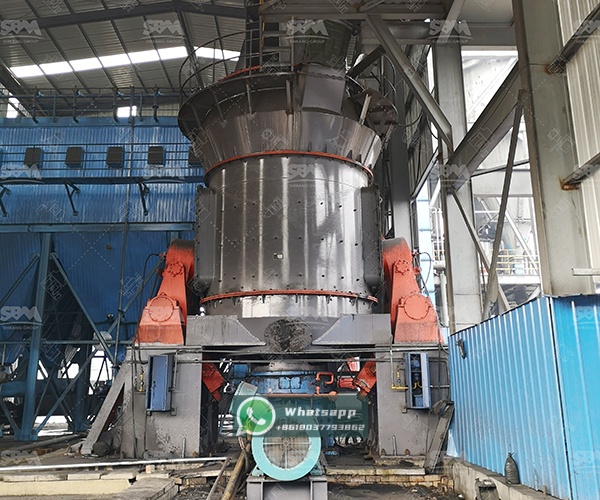
For plants that prefer a vertical mill architecture, the LM Vertical Grinding Mill from Zenith integrates five functions: crushing, grinding, powder selection, drying, and material conveying. It occupies a smaller area than other systems, produces a fine and uniform final powder, and operates with low noise. The vertical arrangement allows materials to fall by gravity, which reduces vibration and energy consumption. An external circulating system handles large particles and returns them to the grinding table, so the final product has a very stable quality.
The LM130K model has a plate diameter of 1300 mm, a capacity of 10 to 28 t/h, and an output fineness of 170 to 40 μm. The maximum feed size is 38 mm, and the main motor is 200 kW. For high-capacity feldspar lines, the LM190K can produce 23 to 68 t/h with a 500 kW motor. If Egyptian porcelain plants need an ultra-fine feldspar powder for glaze applications, the LM130X-GX fine-powder series can reach 325 to 600 mesh (D97), with a capacity of 4 to 12 t/h. This makes the LM vertical mill a versatile solution for both body and glaze production.
Compared with a ball mill, the LM vertical mill has lower energy consumption and a more compact layout. It also uses hot air for drying, so wet feldspar can be processed without a separate dryer. The automatic control system adjusts the classifier speed and mill load, ensuring steady operation even when feldspar feed properties vary slightly. For Egyptian porcelain plants, this reliability translates into fewer production stoppages, lower maintenance costs, and a higher return on investment.
Choosing the Right Feldspar Grinding Mill
When selecting a feldspar grinding mill, Egyptian porcelain plant managers should consider several factors: required product fineness, feed size, moisture, capacity, available floor space, and energy cost. The MTW Trapezium Grinding Mill is a strong candidate when the target is 0.045 mm (325 mesh) and the plant needs high productivity with robust construction. The LM Vertical Grinding Mill is ideal for plants that want to combine drying, classifying, and conveying in one unit, and for those that may later need ultra-fine powder for glazes or advanced ceramic bodies.
Shanghai Zenith Machinery Co., Ltd. offers complete grinding solutions, including feeders, conveyors, dust collectors, and spare parts. The company’s long experience in ore grinding equipment manufacturing has made it a trusted partner in many countries, including Egypt. With a focus on ultra-fine powder grinding, Zenith continues to develop equipment that meets the evolving needs of the porcelain industry.
Conclusion
Egypt’s porcelain industry depends on high-quality feldspar powder to maintain product standards and reduce energy costs. A reliable grinding mill is the core of the raw material preparation line. Both the MTW Trapezium Grinding Mill and the LM Vertical Grinding Mill from Shanghai Zenith Machinery demonstrate excellent performance in feldspar processing. They combine high capacity, fine and consistent output, easy maintenance, and long service life. By choosing Zenith, Egyptian porcelain plants gain not just a grinding machine, but a long-term partner dedicated to efficient mineral processing.
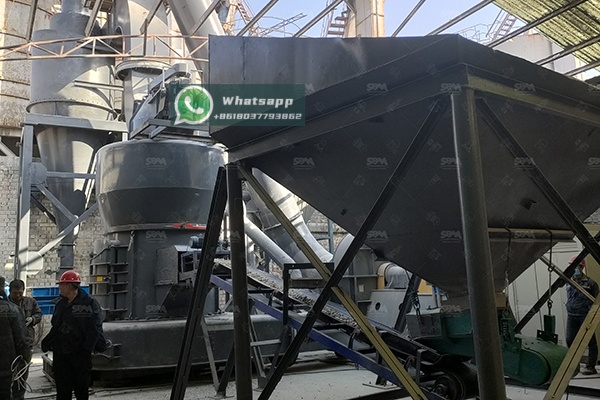
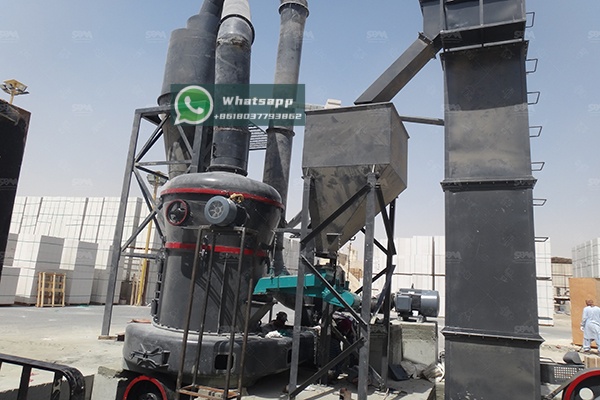
Key Equipment
Want This Solution for Your Project?
Contact us for a customized quotation and technical proposal.
Interested in This Solution?
Send us a message and our engineers will get back to you within 24 hours.