1. Introduction: The Role of Dolomite in the Glass Industry
Dolomite is a crucial raw material in the manufacture of container glass, flat glass, and fiberglass. It serves as a source of both magnesium oxide (MgO) and calcium oxide (CaO), which are essential for improving the chemical durability, thermal stability, and mechanical strength of glass products. In Pakistan, the glass industry has been expanding rapidly, driven by growth in construction, packaging, and automotive sectors. Local glass manufacturers require consistent, high-purity dolomite powder with a controlled particle size distribution, typically in the range of 100 to 400 mesh (150–38 μm), to ensure melt quality and energy efficiency.
Selecting the right grinding equipment is therefore critical for Pakistani dolomite processors who aim to supply the domestic glass market. The mill must handle moderate hardness (Mohs 3.5–4) and high throughput while delivering precise fineness with minimal contamination. Shanghai Zenith Machinery Co., Ltd., a leading Chinese manufacturer of ore grinding equipment, offers a comprehensive portfolio of mills that meet these requirements. This article discusses the key considerations for dolomite powder production in Pakistan and recommends two of Zenith’s most suitable solutions.
2. Key Requirements for Dolomite Grinding in the Pakistani Glass Sector
Before exploring specific mill models, it is important to understand the unique demands of the Pakistani glass industry:
- Fineness: Most glass-grade dolomite powder requires 95% passing 200 mesh (74 μm) or 325 mesh (44 μm). Some specialized applications may need ultrafine grades (5–30 μm).
- Moisture Content: Raw dolomite often contains surface moisture; drying capability within the mill can save additional equipment investment.
- Throughput: Medium to large glass plants in Pakistan typically consume 10–50 tons of dolomite powder per day, so the mill must be scalable.
- Operating Cost: Energy cost is a major factor; mills with high efficiency and low wear rates are preferred.
- Reliability and After-Sales Service: Zenith has a strong service network in South Asia, offering timely spare parts supply and technical support.
3. Recommended Grinding Mills for Dolomite Powder
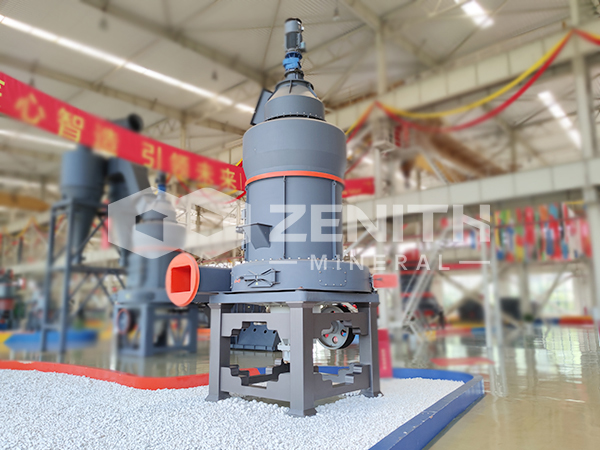
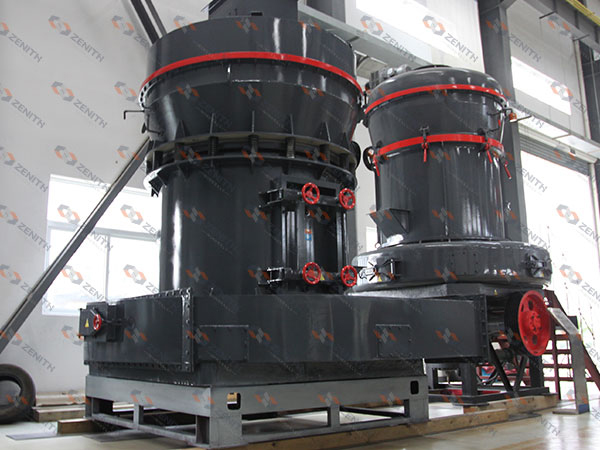
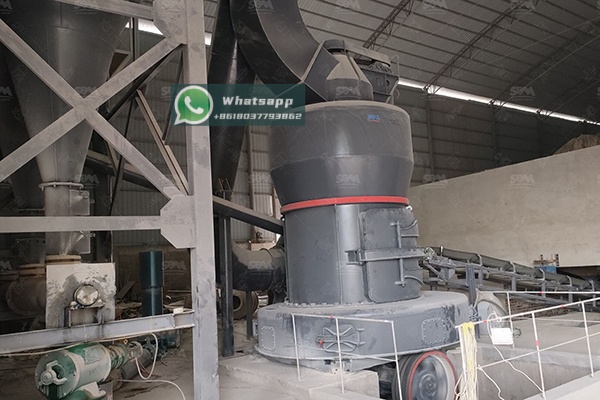
Based on decades of experience in the non-metallic mineral grinding field, Shanghai Zenith Machinery Co., Ltd. recommends two flagship products for processing dolomite used in Pakistan’s glass industry: the MTW Trapezium Grinding Mill and the LUM Ultrafine Vertical Mill. Both are designed for high-capacity, energy-efficient, and environmentally friendly operation.
3.1 MTW Trapezium Grinding Mill – The Versatile Workhorse
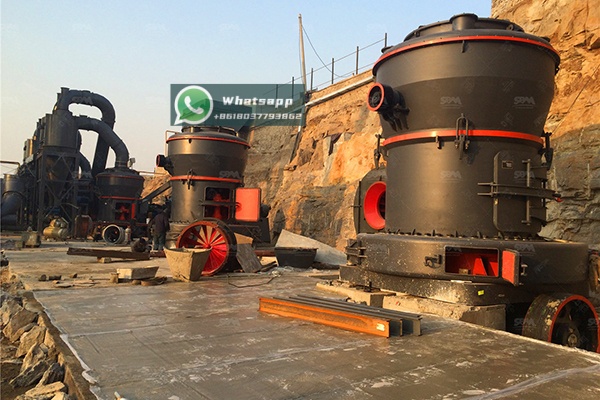
The MTW series is a patented mill that combines the advantages of Raymond mill and vertical mill. It is particularly suitable for producing dolomite powder with a fineness from 1.6 mm down to 0.038 mm (400 mesh). With a maximum feed size of 50 mm and capacity ranging from 3 to 45 t/h (depending on model), the MTW mill can easily meet the daily demand of Pakistani glass factories.
- Key features: Curved shovel design, bevel gear transmission, independent positive pressure dust collector, and intelligent control.
- Advantages for dolomite: Low energy consumption, long service life of grinding rollers and rings, and ability to handle materials with moisture up to 6% (air-swept drying).
- Recommended model: MTW138Z or MTW175G for medium-scale plants (capacity 6–17 t/h or 9.5–25 t/h), providing optimal economy.
For a typical Pakistani dolomite processor requiring 200-mesh glass-grade powder, the MTW175G with a main motor of 160 kW can produce up to 25 tons per hour, significantly reducing the number of units needed.
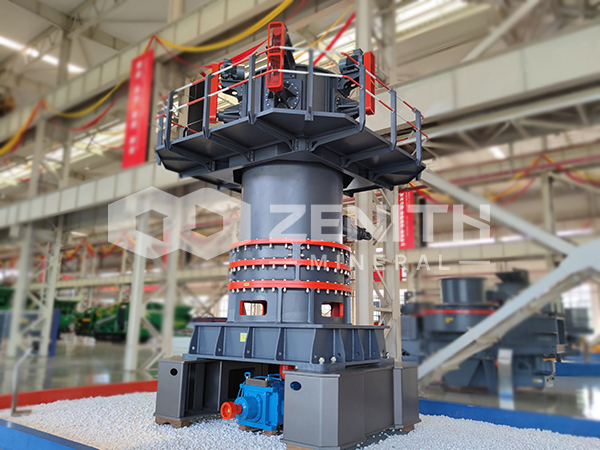
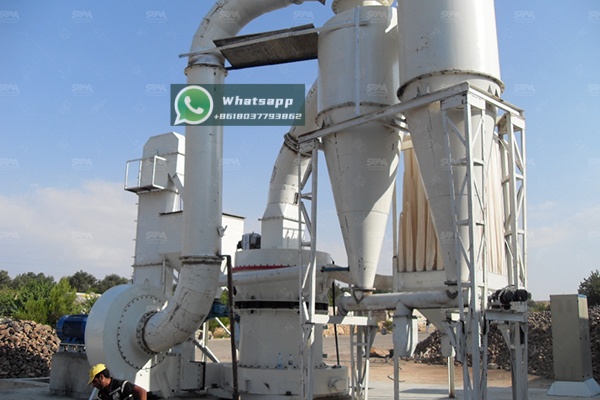
3.2 LUM Ultrafine Vertical Mill – For Premium Ultrafine Powder
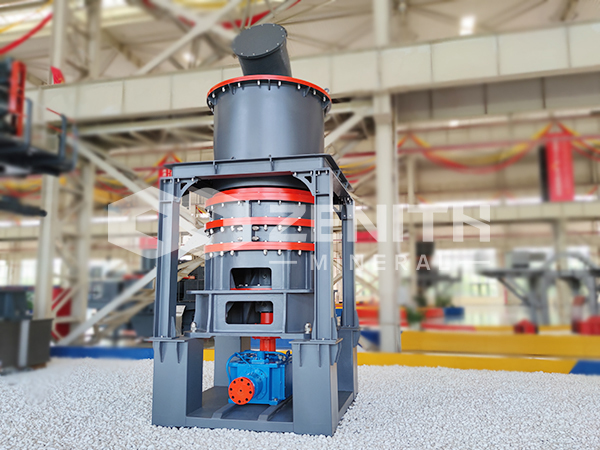
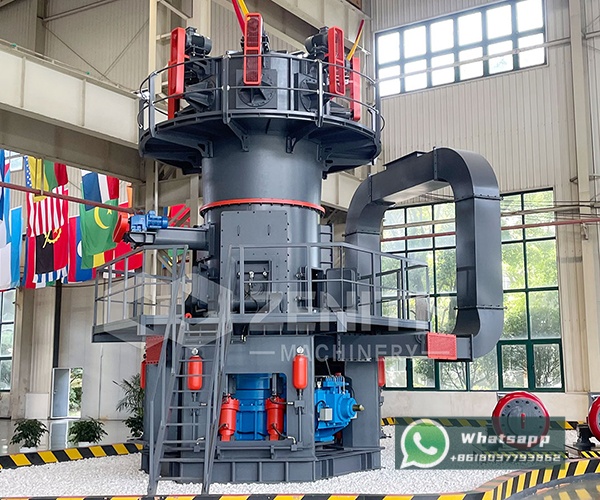
When the glass formulation demands an even finer particle size, such as D97 below 30 μm (superfine grade for special glass or coatings), the LUM Ultrafine Vertical Mill is the ideal choice. It integrates grinding, classifying, and drying in one compact system, occupying minimal floor space.
- Key features: Hydro-pneumatic system for roller pressure, automatic lubrication, and a high-efficiency classifier that ensures a steep particle size distribution.
- Advantages for dolomite: Produces very narrow particle size distributions (D97 = 5–30 μm), high content of end-fines, and low operating noise.
- Recommended model: LUM1525 (capacity 1.6–11.5 t/h) or LUM1632 (capacity 2.0–13.5 t/h) for Pakistani processors targeting the premium glass segment.
The LUM mill consumes 30–50% less energy than traditional ball mills for ultrafine grinding, making it a cost-effective option for high-value dolomite products.
4. Technical Comparison and Application Scenarios
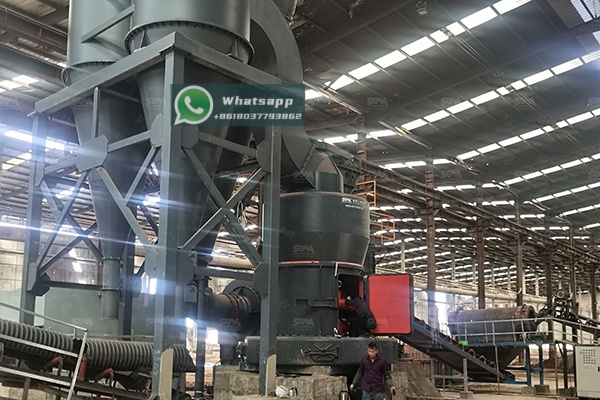
To help Pakistani investors choose, the table below summarizes the core parameters of the two recommended mills as applied to dolomite (Moisture < 5%, hardness ~3.5):
| Parameter | MTW Trapezium Mill (MTW175G) | LUM Ultrafine Vertical Mill (LUM1632) |
|---|---|---|
| Max Feed Size | < 40 mm | < 20 mm |
| Product Fineness | D90: 0.045–1.6 mm | D97: 5–30 μm |
| Capacity (t/h) | 9.5 – 25 | 2.0 – 13.5 |
| Main Motor Power | 160 kW | 280–315 kW |
| Drying Capability | Integrated hot air (moisture ≤6%) | Integrated hot air (moisture ≤6%) |
| Best Application | Standard glass-grade 100–400 mesh | Ultrafine glass-grade 500–2500 mesh |
For a typical Pakistani glass raw material supplier, the MTW mill offers the best balance of throughput and fineness for the majority of orders. Meanwhile, the LUM mill serves niche customers who demand superfine dolomite for advanced glass products (e.g., LCD glass, medical glass).
5. Why Choose Shanghai Zenith Machinery?
Shanghai Zenith Machinery Co., Ltd. is a recognized leader in China’s ore grinding equipment industry, with decades of experience in ultra-fine powder processing. Our mills have been successfully installed in more than 30 countries, including Pakistan. We provide turnkey solutions from site planning to commissioning, and our after-sales team offers remote monitoring and spare parts warehouses in Karachi and Lahore.
For the Pakistani glass market, Zenith’s equipment ensures:
- Consistent product quality meeting international glass standards (e.g., ISO 9001).
- Reduced energy cost per ton of dolomite powder.
- Lower maintenance downtime due to robust wear parts.
- Flexible configuration – both MTW and LUM mills can be equipped with automated packing and feeding systems.
6. Conclusion
Dolomite powder plays an indispensable role in Pakistan’s evolving glass industry. By selecting the appropriate grinding mill, processors can not only meet the strict specifications of glass manufacturers but also improve profitability through higher efficiency and lower operational costs. Shanghai Zenith Machinery offers two excellent solutions: the MTW Trapezium Grinding Mill for economical, high-capacity production of standard glass-grade powder, and the LUM Ultrafine Vertical Mill for premium ultrafine grades. Both are backed by robust technical support and proven performance in similar applications worldwide. For any Pakistani investor looking to establish or upgrade a dolomite grinding plant, Zenith’s equipment represents a reliable and future-proof investment.
For more detailed project quotations, lab test reports on your specific dolomite sample, or to arrange a site visit in Pakistan, please contact our regional office or visit our official website. Let Zenith be your partner in unlocking the full value of Pakistan’s mineral resources for the glass sector.
Key Equipment
Want This Solution for Your Project?
Contact us for a customized quotation and technical proposal.
Interested in This Solution?
Send us a message and our engineers will get back to you within 24 hours.