Introduction
Malaysia has a growing industrial base in steel, cement, glass, non-ferrous metals, and advanced ceramics, and these sectors rely heavily on high-quality refractory materials to protect furnaces, kilns, ladles, and other high-temperature processing equipment. Dolomite is one of the important raw materials for basic refractories because of its high refractoriness, basicity, and resistance to certain slags and molten metals. To convert dolomite into a reliable refractory raw material, producers must carefully control crushing, grinding, classification, and powder quality. The choice of a dolomite grinding mill therefore has a direct impact on product consistency, energy consumption, maintenance cost, and the final performance of refractory bricks and monolithic refractories. Shanghai Zenith Machinery Co., Ltd. is an experienced Chinese manufacturer of ore grinding equipment and has made significant achievements in the field of ultra-fine powder grinding. This article discusses the role of dolomite in refractory materials, the key grinding requirements in Malaysia, and recommends suitable Zenith grinding mills for different production scales.
Role of Dolomite in Refractory Materials
Dolomite is a carbonate mineral containing calcium and magnesium, commonly expressed as CaMg(CO3)2. For refractory applications, raw dolomite is usually calcined at high temperature to produce dead-burned dolomite or fused dolomite, depending on the target product. Dead-burned dolomite has a dense structure and good high-temperature stability, making it suitable for basic refractory bricks, ramming mixes, gunning materials, tundish linings, and repair materials used in steelmaking and other metallurgical processes. In Malaysia, demand for refractory-grade dolomite is linked to steel plants, cement kilns, glass furnaces, and other high-temperature industries. Local and regional dolomite resources can support this market, but the raw material must be processed into a consistent powder with controlled particle size distribution. If the dolomite powder is too coarse, reactivity and sintering behavior may be unsuitable; if the distribution is inconsistent, refractory product quality can vary from batch to batch. Therefore, a professional grinding solution is essential for producing dependable refractory-grade dolomite powder.
Grinding Requirements for Refractory Dolomite
Dolomite intended for refractory materials is not simply crushed to a nominal size. The target fineness depends on the final application. Many refractory formulations require dolomite powder in the range of approximately 80 to 325 mesh, while some advanced or specialty products may require finer particles, with D97 values around 45 micrometres or even lower. At the same time, the grinding system must handle the hardness and abrasiveness of calcined dolomite. Dead-burned dolomite can be abrasive and may cause wear on grinding rollers, rings, liners, and classifier components. Wear protection and easy maintenance are therefore important selection criteria. Moisture is another factor. Malaysia has a tropical climate with high humidity and frequent rainfall, so raw materials or intermediate products may contain moisture. A grinding system with integrated drying capability can improve flowability, reduce clogging, and stabilize production. Dust collection, noise control, and energy efficiency are also important for modern refractory plants that must meet environmental and operational standards.
Key Selection Criteria for Malaysia
Capacity and Product Fineness
Refractory producers in Malaysia may operate at different scales. A small or medium-size line may require several tonnes per hour of dolomite powder, while a large integrated refractory plant may require tens of tonnes per hour. The selected mill must deliver the required capacity at the target fineness without excessive power consumption. It is also important to consider the full particle size distribution, not only the top size. A dynamic classifier or adjustable separation system helps control the final powder quality.
Moisture Control and Integrated Drying
For plants processing material with variable moisture, a vertical mill with integrated drying can be advantageous. Hot gas can be introduced into the mill to evaporate moisture while grinding and classifying the material. This reduces the need for separate drying equipment and can simplify the process flow. In Malaysia, where humidity can be high, this feature can contribute to stable operation and better powder flow.
Wear Protection and Maintenance
Calcined dolomite can be abrasive, so wear-resistant materials and well-designed maintenance access are important. Grinding rollers, table liners, and classifier blades should be easy to inspect and replace. A robust design reduces downtime and keeps operating costs under control. The mill should also be supported by a reliable spare parts supply and technical service.
Energy Efficiency and Environmental Compliance
Grinding is an energy-intensive stage in refractory raw material processing. High-efficiency mills with optimized airflow, classifier design, and motor systems can reduce power consumption per tonne. Enclosed systems, pulse-jet dust collectors, and negative-pressure operation help control dust emissions. These features support compliance with local environmental requirements and improve the working environment.
Recommended Solution 1: MTW Trapezium Grinding Mill
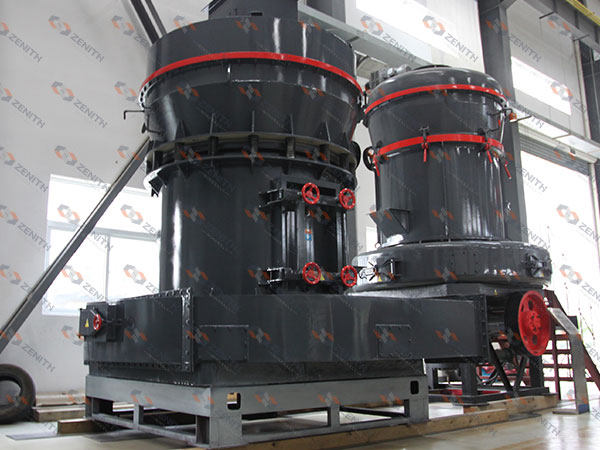
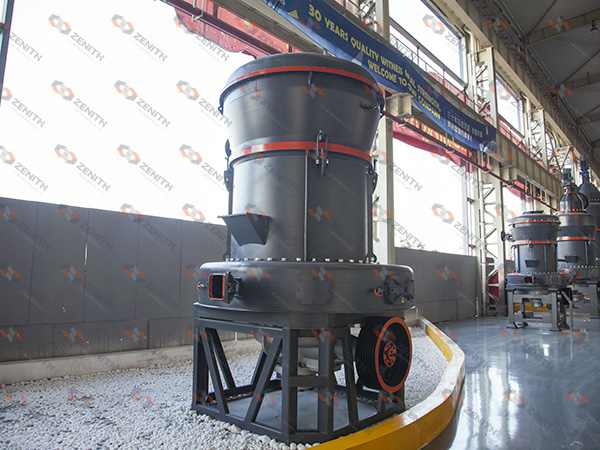
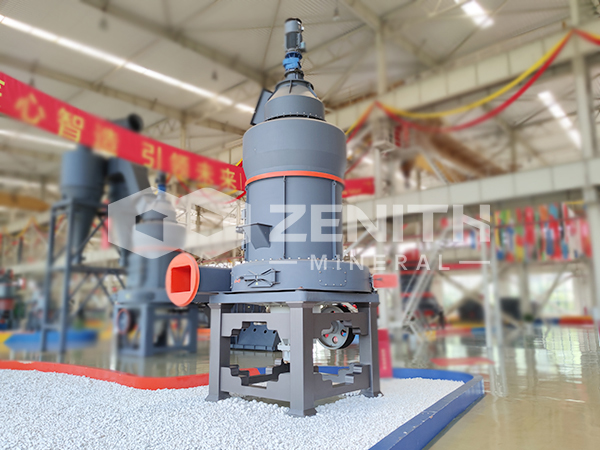
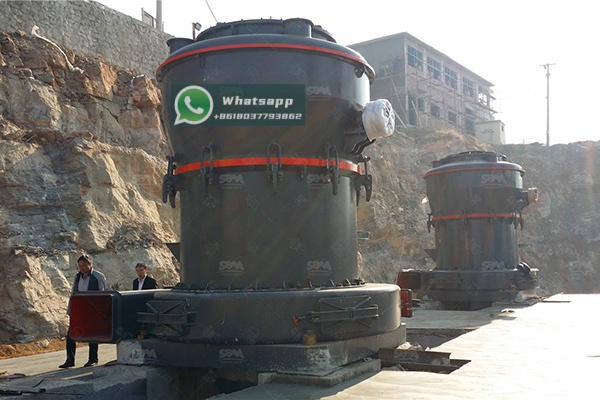
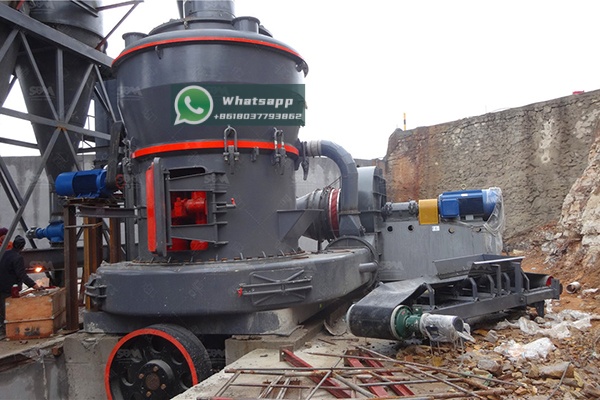
For Malaysian refractory producers requiring a compact, efficient, and reliable fine-powder grinding solution, the MTW Trapezium Grinding Mill from Shanghai Zenith Machinery Co., Ltd. is a strong candidate. The MTW series is a grinding mill with multiple patents and is known for its compact structure, long service life, and eco-friendly design. It is suitable for processing materials with a maximum input size of up to 50 mm and can produce a final product as fine as approximately 0.038 mm to 0.045 mm depending on the model and configuration. This fineness range is suitable for many refractory dolomite formulations, including products requiring 200 mesh and 325 mesh powder.
Typical MTW models include the MTW110, MTW138Z, MTW175G, and MTW215G. The MTW110 has a maximum feed size below 30 mm, a final size range of 1.6 to 0.045 mm, and a capacity of 3 to 9 tonnes per hour, with a 55 kW main motor. The MTW138Z accepts feed below 35 mm and offers 6 to 17 tonnes per hour with a 90 kW main motor. The MTW175G accepts feed below 40 mm and provides 9.5 to 25 tonnes per hour with a 160 kW main motor. For a Malaysian refractory plant producing roughly 5 to 20 tonnes per hour of dolomite powder at 200 to 325 mesh, the MTW138Z or MTW175G can be a practical choice. The MTW system can be configured with a classifier, pulse-jet dust collector, automatic control, and wear-resistant grinding components. Its compact layout is beneficial for plants with limited installation space, and its proven design supports consistent fine grinding of dolomite for refractory applications.
Recommended Solution 2: LM Vertical Grinding Mill
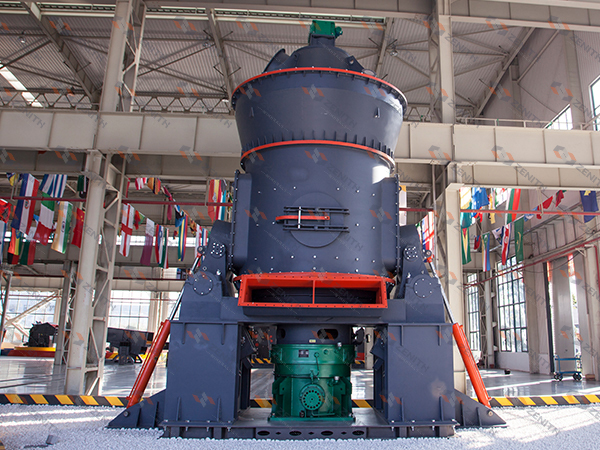
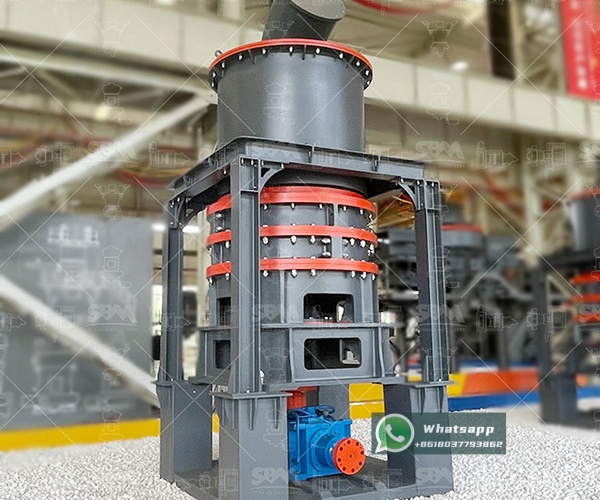
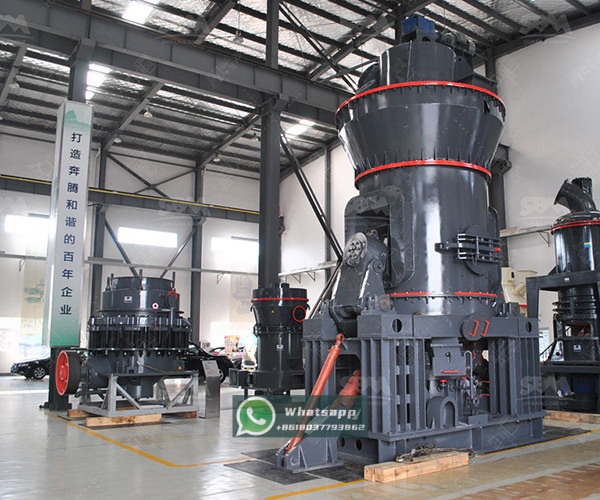
For higher-capacity dolomite grinding lines or projects that require integrated drying, the LM Vertical Grinding Mill is another excellent option from Shanghai Zenith Machinery Co., Ltd. The LM series integrates crushing, grinding, powder selection, drying, and material conveying into a single machine. It offers a small occupational area, produces a fine final powder, and is designed as an eco-friendly production solution. This integrated design is particularly useful in Malaysia when the feed material has variable moisture or when the plant wants to reduce the number of separate process steps.
The LM Vertical Mineral Mill series includes models such as the LM130K, LM190K, and LM280K. The LM130K has a plate diameter of 1300 mm, a capacity of 10 to 28 tonnes per hour, an output fineness range of 170 to 40 micrometres, a maximum feed size below 38 mm, and a 200 kW main motor. The LM190K offers 23 to 68 tonnes per hour with a 1900 mm plate diameter, a maximum feed size below 45 mm, and a 500 kW main motor. The LM280K is designed for larger operations, with a 2800 mm plate diameter, 50 to 170 tonnes per hour, a maximum feed size below 50 mm, and a 1250 kW main motor. For a Malaysian refractory producer requiring about 15 to 60 tonnes per hour of dolomite powder for basic refractory bricks and monolithic refractories, the LM190K can be a suitable match. For larger production plans, the LM280K provides higher capacity. The dynamic classifier helps maintain a consistent product fineness, while the integrated drying function supports stable operation in humid conditions. Wear-resistant liners and rollers reduce maintenance demand, and the vertical design typically offers low energy consumption per tonne and a small footprint.
How to Integrate a Dolomite Grinding Mill into a Refractory Production Line
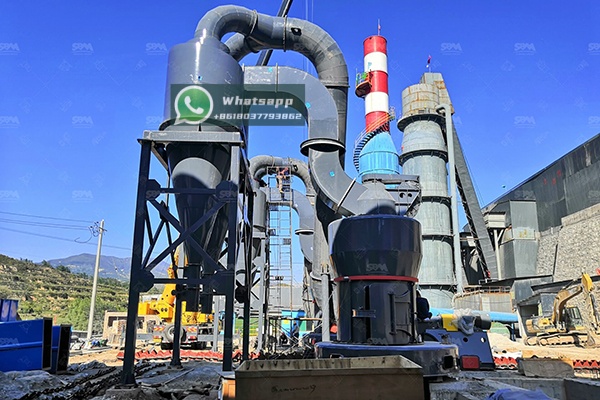
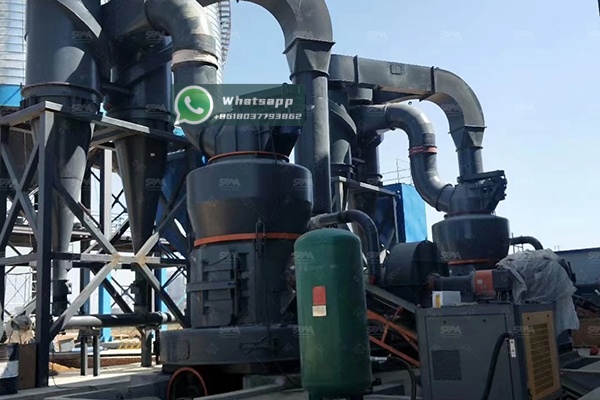
A typical dolomite grinding line for refractory material includes raw material storage, crushing or screening, feeding, grinding, classification, dust collection, powder storage, and batching. If the dolomite is calcined before grinding, the cooling and handling stages should be designed to protect the grinding system from excessive temperature and contamination. Magnetic separation may be installed before or after grinding to remove iron particles that could affect refractory quality. The powder should be stored in sealed silos and transported by enclosed conveyors or pneumatic systems to reduce dust and moisture pickup. For quality control, the plant should sample the product regularly and test particle size distribution, bulk density, moisture content, and other parameters required by the final refractory formulation. Automated controls can help stabilize feed rate, airflow, classifier speed, and product fineness. A well-integrated grinding system not only improves product quality but also increases the overall efficiency of the refractory production line.
Quality Control and Environmental Considerations
Refractory manufacturers in Malaysia must pay close attention to powder consistency and environmental performance. A slight change in dolomite fineness can influence pressing behavior, binder demand, sintering, and the final strength of refractory products. The grinding mill should therefore be equipped with a reliable classifier and a control system that allows operators to adjust product fineness quickly. Dust collection should be designed for the actual airflow and material characteristics, and all transfer points should be enclosed. Noise control, proper ventilation, and safe maintenance access are also important. Shanghai Zenith grinding equipment is designed with eco-friendly operation in mind, and the MTW and LM series can be configured with efficient dust collection and enclosed material handling to support cleaner production.
Service and Support for Malaysian Customers
Choosing the right equipment is only the beginning. Successful dolomite grinding projects also depend on proper process design, installation, commissioning, operator training, and spare parts support. Shanghai Zenith Machinery Co., Ltd. provides project consultation, equipment selection, process layout, installation guidance, and after-sales service for industrial powder grinding projects. For Malaysian customers, the company can support project communication, technical documentation, remote diagnostics, and coordinated service arrangements. Because wear parts are critical in dolomite grinding, a clear spare parts plan should be established to reduce downtime. Regular inspection of grinding rollers, liners, classifier components, and dust collector filters helps maintain stable capacity and product quality.
Conclusion
Dolomite is an important raw material for the refractory industry in Malaysia, and the grinding stage plays a key role in determining product quality, energy cost, and operational reliability. The right mill must match the required capacity, target fineness, moisture conditions, abrasiveness, and plant layout. For compact fine-powder production, the MTW Trapezium Grinding Mill offers a proven solution with models such as the MTW138Z and MTW175G. For higher capacity and integrated drying, the LM Vertical Grinding Mill, including the LM190K and LM280K, is a strong option. By working with an experienced grinding equipment manufacturer such as Shanghai Zenith Machinery Co., Ltd., Malaysian refractory producers can build a stable, efficient, and environmentally responsible dolomite powder production line for basic refractory bricks, monolithics, and other high-temperature applications.
Key Equipment
Want This Solution for Your Project?
Contact us for a customized quotation and technical proposal.
Interested in This Solution?
Send us a message and our engineers will get back to you within 24 hours.