
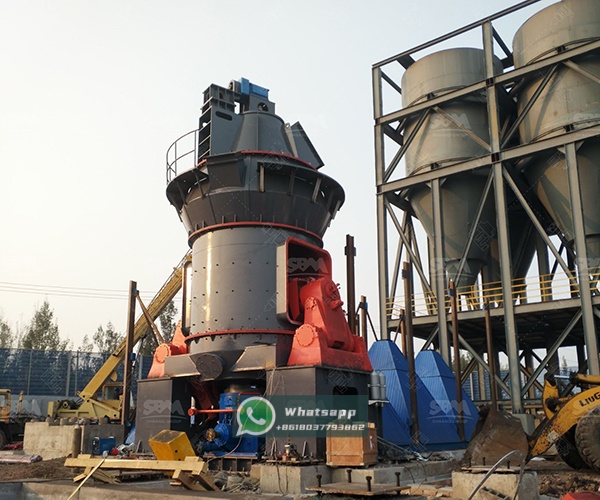
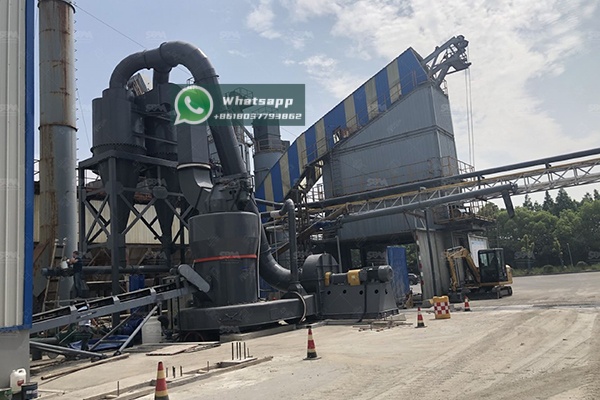
Dolomite Grinding Mill for Glass Industry in Indonesia
Indonesia is one of Southeast Asia’s fastest-growing glass markets. Rising demand from construction, food and beverage packaging, automotive glazing, solar panels, and consumer electronics is encouraging glass producers to expand capacity and improve raw material quality. For many Indonesian glass plants, dolomite is not simply a filler; it is a strategic raw material that influences melting behavior, glass durability, and final product clarity. To use dolomite efficiently, manufacturers need dependable dolomite grinding mills that can deliver consistent particle size, low contamination, and stable throughput. Shanghai Zenith Machinery Co., Ltd. is an excellent manufacturer of ore grinding equipment in China and has made great achievements in the field of ultra-fine powder grinding. Its mills are widely used for industrial minerals, including dolomite for the glass industry.
Why Dolomite Matters in Glass Production
Dolomite is a calcium magnesium carbonate mineral with the chemical formula CaMg(CO3)2. In soda-lime-silica glass, it supplies both CaO and MgO. MgO is especially valuable because it improves chemical durability, reduces the tendency toward devitrification, and helps control viscosity during melting and forming. CaO acts as a stabilizer and contributes to the mechanical strength of the glass. When dolomite is accurately ground and blended, glassmakers can reduce melting energy, improve batch homogeneity, and minimize defects such as bubbles, stones, and cords.
However, not all dolomite powders are suitable for glass. Iron oxide, for example, can color glass and reduce transparency, which is critical for container glass, float glass, and specialty glass. Particle size distribution is equally important. If the powder is too coarse, it may melt slowly and leave unmelted grains. If it is too fine, it can create dust, segregation, and excessive carryover in the furnace. Therefore, the grinding mill must be able to produce a controlled, narrow particle size distribution with minimal iron contamination.
Key Requirements for Glass-Grade Dolomite Powder
Chemical Purity
For most container and flat glass applications, glass-grade dolomite typically contains 19-21% MgO, 30-33% CaO, and limited silica, alumina, and iron. Fe2O3 is often controlled below 0.1-0.3%, depending on the glass color and quality standard. High-purity dolomite helps manufacturers maintain a stable batch recipe and predictable glass properties.
Particle Size and Distribution
Common glass-grade dolomite fineness ranges from 80 mesh to 325 mesh. Many plants request 200 mesh or 325 mesh with 95-99% passing. A well-designed grinding and classification circuit can adjust the top cut and reduce oversize particles, which improves melting uniformity and reduces batch dust.
Moisture and Flowability
Dolomite stored in Indonesia’s tropical climate may absorb moisture. High moisture can cause sticky material, blockages, and inconsistent feeding. A mill with integrated drying capability or a pre-drying system is often beneficial. The final powder should be dry, free-flowing, and easy to transport to the batch house.
Challenges of Dolomite Grinding in Indonesia
Indonesia offers abundant dolomite resources, but processing them for the glass industry presents practical challenges. Humidity is high in many regions, and raw dolomite may arrive with variable moisture. Deposits can also differ in hardness, abrasiveness, and iron content. Energy costs, spare parts logistics, and skilled maintenance are additional concerns for plants located away from major industrial centers. A robust grinding mill must combine reliable mechanical design, efficient classification, wear-resistant grinding elements, and dust collection. It should also be easy to maintain and supported by responsive service.
Recommended Dolomite Grinding Mills from Shanghai Zenith
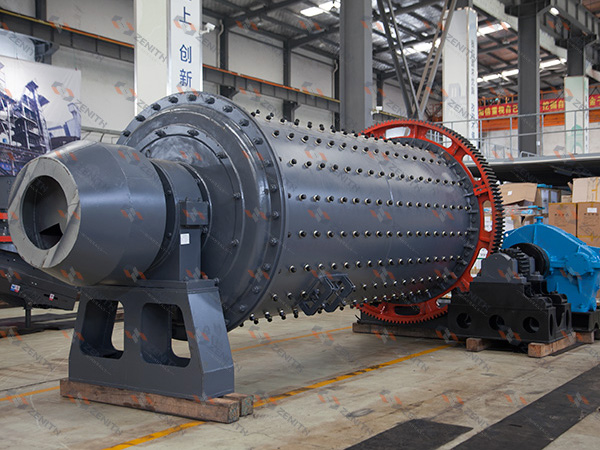
Shanghai Zenith Machinery Co., Ltd. specializes in the research, development, and production of industrial powder grinding equipment and related devices. Its main products include MTW Trapezium Grinding Mill, Ball Mill, MTM Medium-Speed Grinding Mill, Raymond Mill, LM Vertical Grinding Mill, LUM Ultrafine Vertical Mill, XZM Ultrafine Grinding Mill, and Hammer Mill. For dolomite grinding in the Indonesian glass industry, two products are particularly suitable: the MTW Trapezium Grinding Mill and the LM Vertical Grinding Mill.
MTW Trapezium Grinding Mill: Flexible Production for Glass-Grade Dolomite
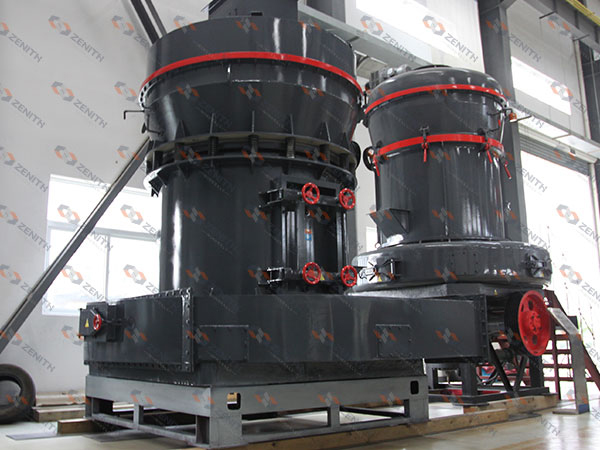
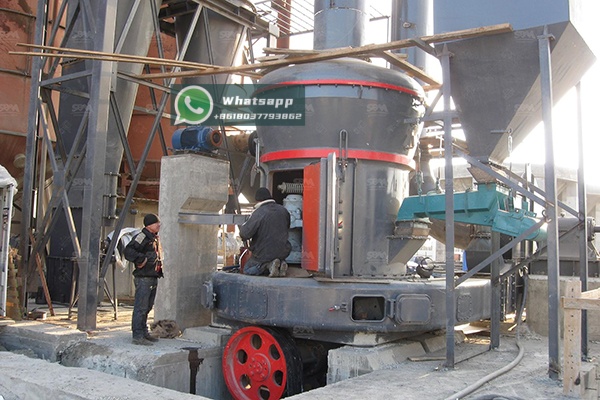
The MTW Trapezium Grinding Mill is a patented grinding mill known for its compact structure, long service life, and eco-friendly design. It is suitable for processing materials with a maximum input size of 50 mm and can produce a final product as fine as 0.038 mm. With an adjustable classifier, it can be configured for 80-325 mesh dolomite powder, making it a strong choice for small and medium-sized glass plants, mineral processing companies, and custom powder producers in Indonesia.
| Model | Max. Feed Size (mm) | Final Size (mm) | Capacity (t/h) | Main Motor (kW) | Fan Motor (kW) |
|---|---|---|---|---|---|
| MTW110 | <30 | 1.6-0.045 | 3-9 | 55 | 55 |
| MTW138Z | <35 | 1.6-0.045 | 6-17 | 90 | 110 |
| MTW175G | <40 | 1.6-0.045 | 9.5-25 | 160 | 200 |
| MTW215G | <50 | 1.6-0.045 | 15-45 | 280 | 315 |
For a typical Indonesian glass-grade dolomite project, the MTW138Z and MTW175G are recommended. The MTW138Z offers 6-17 t/h with a 90 kW main motor and 110 kW fan motor, which is ideal for medium production lines. The MTW175G raises capacity to 9.5-25 t/h with a 160 kW main motor and 200 kW fan motor, supporting larger batch plants or centralized powder supply. Both models can be equipped with efficient dust collectors and wear-resistant liners to reduce contamination and maintenance costs.
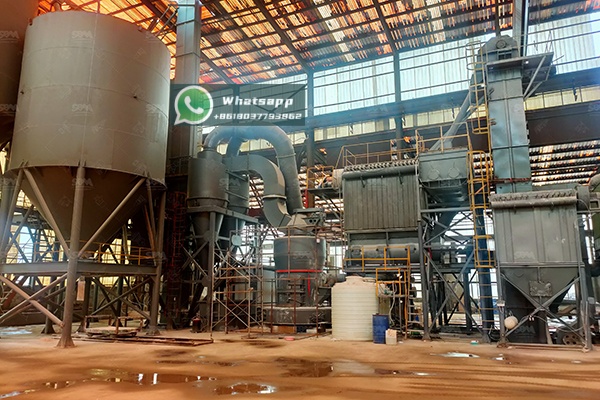
LM Vertical Grinding Mill: High-Capacity Dry Processing for Large Glass Plants
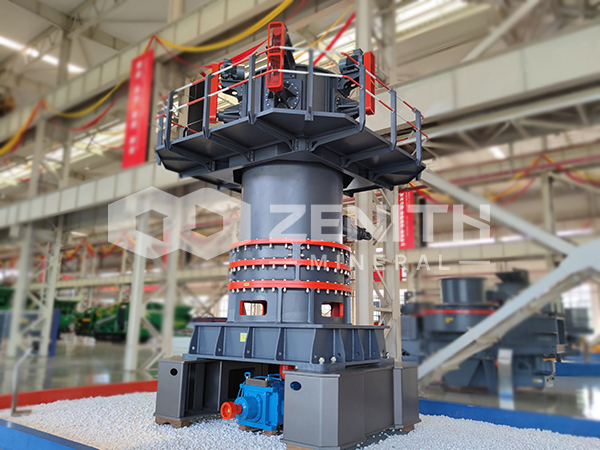
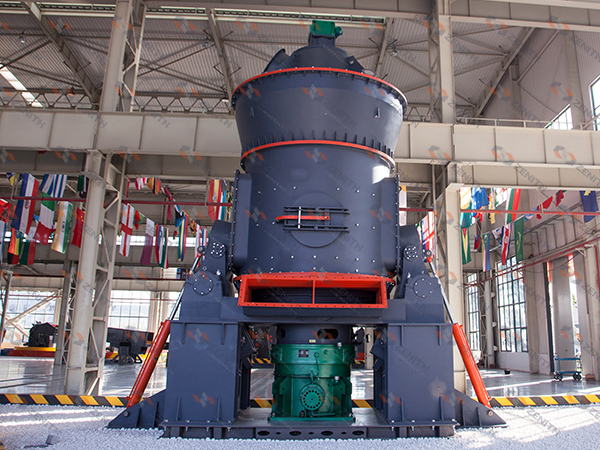
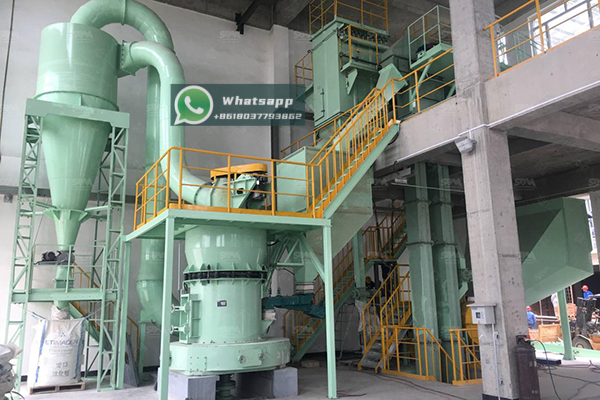
The LM Vertical Grinding Mill integrates five functions—crushing, grinding, powder selection, drying, and material conveying—into a single machine. It occupies a small area, produces a fine final powder, and offers an eco-friendly production solution. Because it can handle relatively high moisture feed through hot air drying, it is well suited to Indonesia’s humid climate and variable dolomite stockpiles.
| Model | Plate Diameter (mm) | Capacity (t/h) | Output Fineness (μm) | Max Feed Size (mm) | Main Motor (kW) |
|---|---|---|---|---|---|
| LM130K | 1300 | 10-28 | 170-40 | <38 | 200 |
| LM190K | 1900 | 23-68 | 170-40 | <45 | 500 |
| LM280K | 2800 | 50-170 | 170-45 | <50 | 1250 |
For large Indonesian glass production lines, the LM190K is an excellent recommendation. With a 1900 mm grinding plate, 23-68 t/h capacity, 170-40 μm output fineness, and a 500 kW main motor, it can supply consistent dolomite powder for float glass, container glass, and high-volume batch plants. Where extremely large capacity is required, the LM280K can deliver 50-170 t/h. The LM series also reduces noise and dust through sealed operation and negative-pressure design, helping plants meet modern environmental standards.
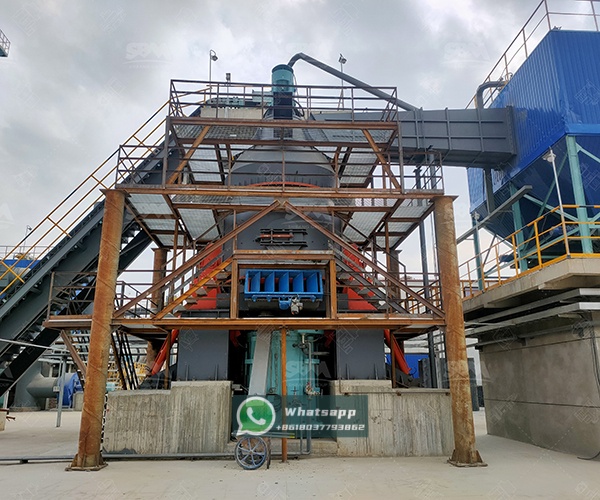
How to Choose the Right Dolomite Grinding Mill
Selecting a dolomite grinding mill for the glass industry requires a careful review of several factors. First, define the required capacity in tonnes per hour and the target fineness, such as 200 mesh or 325 mesh. Second, test the raw dolomite for moisture, hardness, abrasiveness, and iron content. Third, consider the plant layout, electrical supply, automation level, and future expansion. Fourth, evaluate the supplier’s ability to provide installation, commissioning, operator training, and spare parts in Indonesia. Shanghai Zenith can support these steps with laboratory testing, process design, equipment selection, and after-sales service.
Quality Control and Environmental Performance
Consistent glass-grade dolomite powder depends on stable grinding and classification. Shanghai Zenith mills can be equipped with advanced classifiers, pulse-jet dust collectors, and automated control systems to maintain product fineness and reduce operator intervention. The equipment is designed for low noise, low dust emission, and high energy efficiency. This helps Indonesian glass manufacturers improve yield, reduce waste, and meet environmental regulations.
Conclusion
As Indonesia’s glass industry continues to grow, the demand for high-quality dolomite powder will increase. The right grinding mill can improve melting efficiency, glass quality, and production reliability. Shanghai Zenith Machinery Co., Ltd. offers proven industrial grinding technology, including the MTW Trapezium Grinding Mill and LM Vertical Grinding Mill. For glass-grade dolomite in Indonesia, these mills provide flexible capacity, precise fineness control, drying capability, and dependable service. Glass producers seeking a professional dolomite grinding solution can rely on Shanghai Zenith for equipment, process support, and long-term partnership.
Key Equipment
Want This Solution for Your Project?
Contact us for a customized quotation and technical proposal.
Interested in This Solution?
Send us a message and our engineers will get back to you within 24 hours.