
Introduction: The Growing Demand for Black Masterbatch in India
India’s plastics industry has experienced robust growth over the past decade, driven by expanding automotive, packaging, and infrastructure sectors. Black masterbatch—a concentrated mixture of carbon black and carrier resin—is a critical additive used to impart color, UV resistance, conductivity, and reinforcement to plastic products. As Indian converters increasingly demand high-quality, consistent black masterbatch, the need for advanced carbon black milling solutions has become paramount. Carbon black, being an extremely fine and abrasive material, requires specialized grinding equipment to achieve the desired particle size distribution (PSD) and dispersion quality. A well-designed carbon black milling line not only ensures product consistency but also maximizes throughput while minimizing energy consumption and maintenance downtime.
Shanghai Zenith Machinery Co., Ltd., a premier manufacturer of ore and industrial powder grinding equipment headquartered in China, has successfully delivered numerous turnkey milling solutions for carbon black processing across Asia. With decades of experience in ultra-fine powder technology, Zenith offers a comprehensive range of mills—from traditional Raymond mills to state-of-the-art vertical roller mills and ultrafine grinding mills—that are ideally suited for the demanding requirements of black masterbatch production in India.
Understanding Carbon Black Grinding Challenges
Carbon black is produced by the incomplete combustion of hydrocarbons, resulting in spherical particles that agglomerate strongly due to van der Waals forces. For black masterbatch, the carbon black must be de-agglomerated and ground to a fineness typically in the range of 10–50 μm (or even finer for specialty grades) to achieve uniform color strength and dispersion in the polymer matrix. The grinding process must also avoid excessive heat generation, which can cause polymer degradation or even combustion of the carbon black. Additionally, carbon black is highly abrasive, wearing down grinding elements rapidly. Therefore, the milling equipment must be robust, wear-resistant, and capable of handling high throughputs while maintaining a narrow particle size distribution.
Key Components of a Carbon Black Milling Line
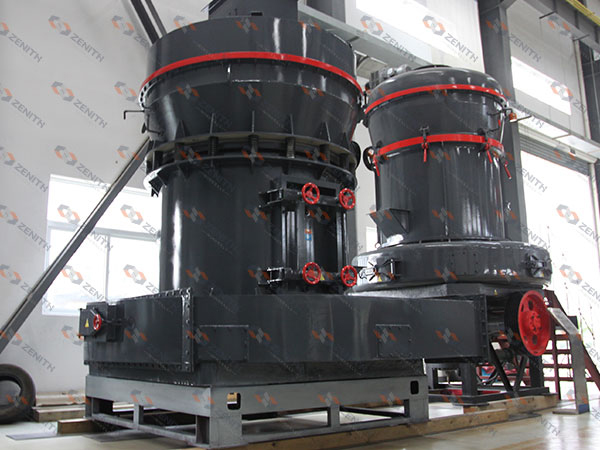
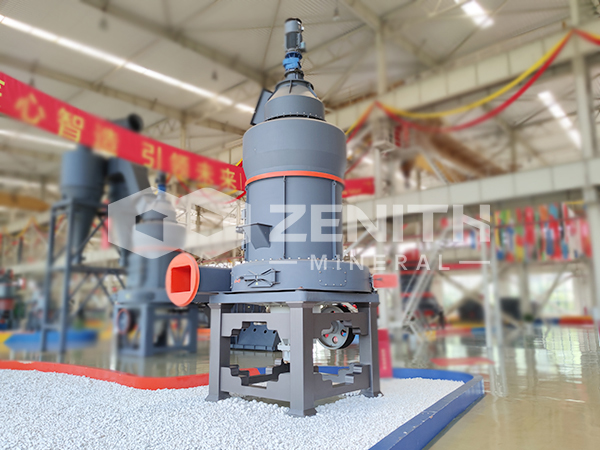
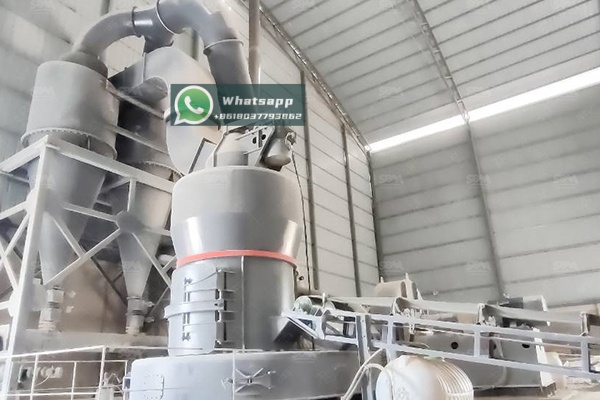
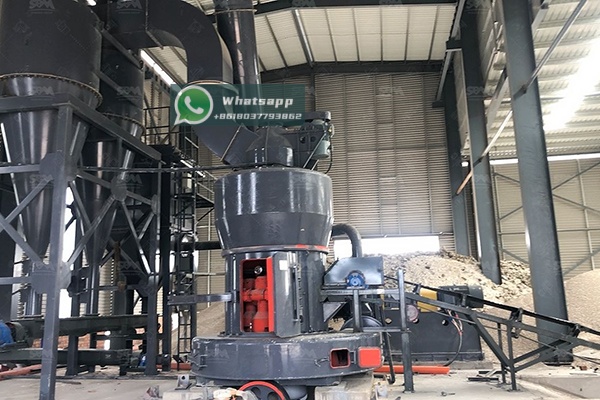
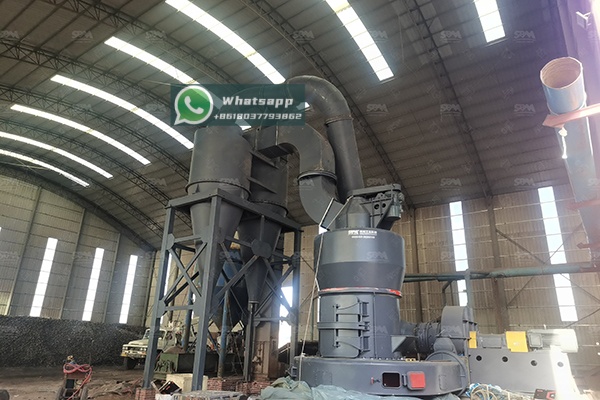
A typical carbon black milling line for black masterbatch comprises several stages: feeding, pre-crushing (if necessary), grinding, classification, dust collection, and product conveying. The heart of the line is the grinding mill, which must be selected based on the target fineness, capacity, and material characteristics. For India’s black masterbatch producers, two types of mills have proven highly effective: the LUM Ultrafine Vertical Mill and the XZM Ultrafine Grinding Mill. Both are engineered by Shanghai Zenith to deliver superior performance in ultra-fine grinding applications.
Recommended Product: LUM Ultrafine Vertical Mill
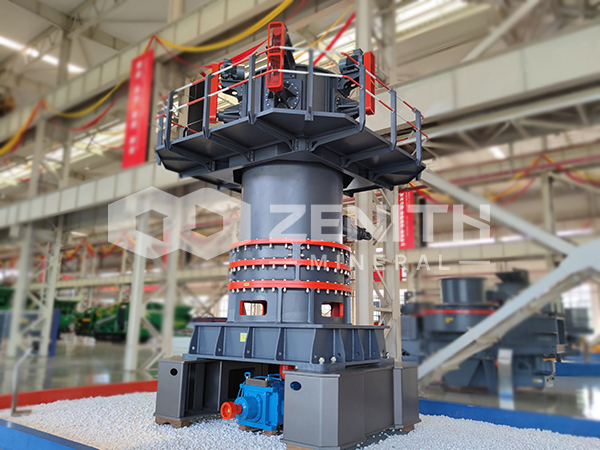
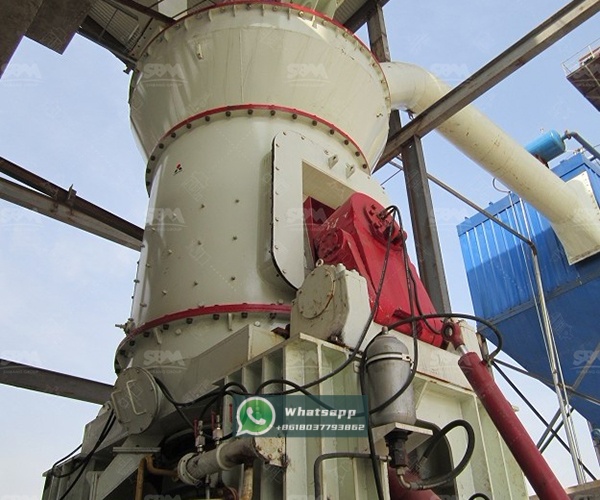
The LUM Ultrafine Vertical Mill integrates grinding, classification, drying, and conveying in a single compact unit. It is specifically designed for superfine powder processing with a product fineness ranging from 5 to 30 μm (D97). The mill’s roller and table are made of high-chromium alloy, offering excellent wear resistance against abrasive carbon black. Its integrated classifier ensures a steep particle size distribution, critical for masterbatch applications where consistency is key. Models such as LUM1525, LUM1632, and LUM1836 provide capacities from 1.6 to 15 t/h, making them suitable for both small and medium-scale Indian producers. The LUM series features a hydro-pneumatic system that automatically adjusts grinding pressure, reducing vibration and extending service life. Furthermore, its low energy consumption (20–40% lower than traditional ball mills) and intelligent control system allow for easy operation and maintenance, which is highly valued in the Indian market where skilled labor can be scarce.
Recommended Product: XZM Ultrafine Grinding Mill
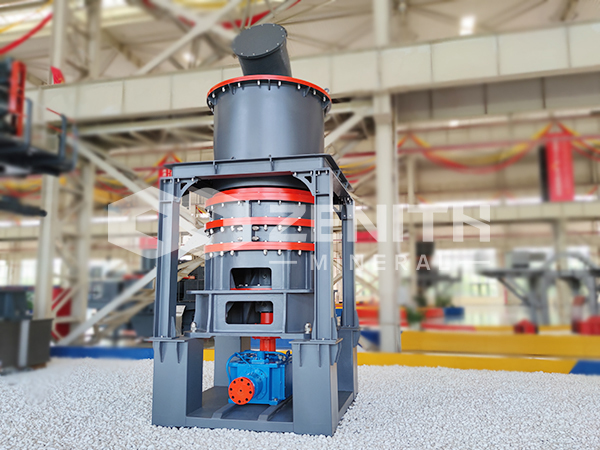
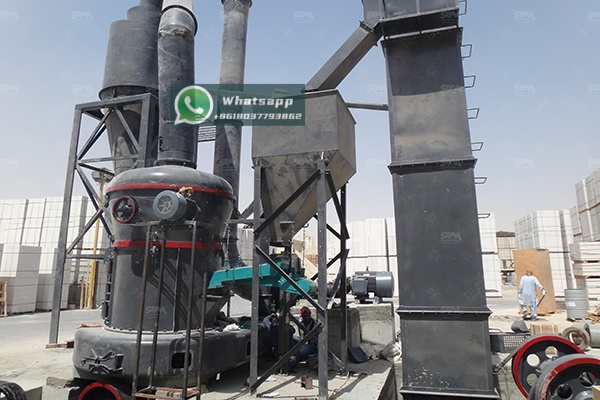
For producers requiring an even wider fineness range (325–2500 mesh, i.e., 5–44 μm) and higher throughput, the XZM Ultrafine Grinding Mill is an excellent choice. This mill utilizes a multi-head classifier and a large-diameter grinding ring to achieve ultra-fine grinding of carbon black with a moisture content below 6%. The XZM221 model (with a capacity of 500–4500 kg/h) and the XZM268 model (5000–25000 kg/h) are particularly popular for black masterbatch lines in India. The mill’s main motor power ranges from 75 kW to 315 kW, ensuring ample power for breaking down tough carbon black agglomerates. The XZM series is also equipped with a pulse dust collector to meet environmental regulations, which are becoming increasingly stringent in Indian industrial zones.
Typical Process Flow for an Indian Black Masterbatch Line
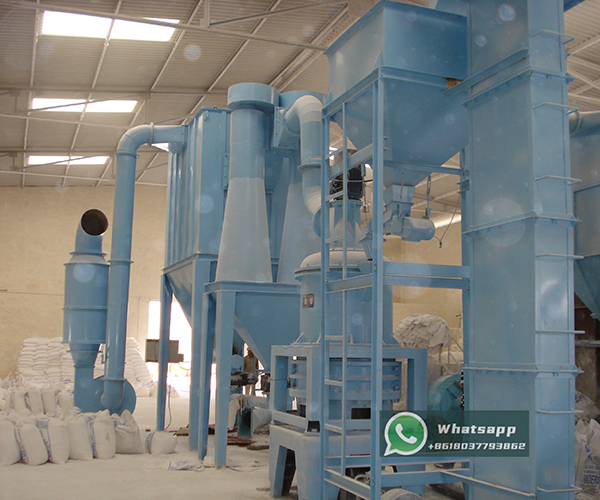
A well-designed carbon black milling line in India might follow this sequence:
- Raw material handling: Carbon black pellets or powder are stored in silos and fed via a screw conveyor or pneumatic system into the mill.
- Grinding: The carbon black enters the LUM or XZM mill where it is ground and classified simultaneously. The classifier returns oversized particles for further grinding while fine powder exits with the air stream.
- Dust collection: A baghouse filter captures fine carbon black from the exhaust air, ensuring zero emissions. The collected powder is then conveyed to a blending or packing unit.
- Blending with carrier resin: The ground carbon black is mixed with a carrier resin (e.g., LDPE, LLDPE, or EVA) and additives in a high-speed mixer or kneader before pelletizing into masterbatch.
Shanghai Zenith can provide not only the mill but also auxiliary equipment such as feeders, conveyors, and dust collectors to create a complete turnkey solution. The company’s technical team often conducts on-site trials at Indian facilities to optimize parameters like feed rate, classifier speed, and air volume for maximum efficiency.
Why Choose Shanghai Zenith for Your Indian Black Masterbatch Project?
Shanghai Zenith Machinery Co., Ltd. has a proven track record in the Indian market, having supplied over 200 grinding mills to various industries including mineral processing, plastics, and chemicals. Their equipment is known for robust construction, high wear resistance, and after-sales support through local service centers. The LUM and XZM mills, in particular, have been installed in several black masterbatch plants in Gujarat, Maharashtra, and Tamil Nadu, where they consistently deliver the required fineness (D97 ≤ 20 μm) with capacities meeting production targets.
Moreover, Zenith’s mills are designed with energy-saving features that reduce operating costs—an essential factor given the rising electricity prices in India. The intelligent PLC control system allows for remote monitoring and fault diagnosis, minimizing downtime. For new projects, Zenith offers free process design and layout consulting, ensuring that the milling line integrates seamlessly with existing compounding and pelletizing equipment.
Conclusion
The Indian black masterbatch market is poised for continued growth, driven by the expansion of the domestic plastics sector and increasing quality awareness. To remain competitive, producers must invest in advanced carbon black milling technology that offers high throughput, consistent fineness, low energy consumption, and easy maintenance. The LUM Ultrafine Vertical Mill and XZM Ultrafine Grinding Mill from Shanghai Zenith Machinery Co., Ltd. represent the state of the art in carbon black fine grinding. With their proven performance in India and worldwide, these mills are the ideal choice for establishing a new carbon black milling line or upgrading an existing one. Contact Shanghai Zenith today to discuss your specific requirements and receive a customized solution that will power your black masterbatch production for years to come.
Key Equipment
Want This Solution for Your Project?
Contact us for a customized quotation and technical proposal.
Interested in This Solution?
Send us a message and our engineers will get back to you within 24 hours.