Introduction: Addressing Zambia’s Water Purification Challenges
Access to safe drinking water remains one of the most pressing public health priorities in Zambia. Many communities depend on untreated surface water, which exposes them to waterborne diseases. Conventional chemical treatment is not always affordable or practical in rural and peri-urban areas. In this context, physical filtration using diatomite has emerged as an effective, sustainable solution. Diatomite, also known as diatomaceous earth, is a soft siliceous sedimentary rock composed of fossilized diatoms. Its unique porous structure can trap suspended solids, bacteria, and protozoa, making it an ideal filter medium. To use diatomite for water purification, the raw ore must be carefully processed into a fine, uniform powder. A reliable diatomite grinding mill is therefore essential for any water treatment project in Zambia.
The Role of Diatomite in Water Treatment
Diatomite filtration works by forming a cake layer on a filter membrane. Water passes through this porous cake, while particles and pathogens are physically removed. Because diatomite has high porosity, low bulk density, and chemical stability, it does not leach harmful substances into the water. It also requires less energy than thermal disinfection and can be used for both municipal and household water treatment. In Zambia, where solar and hydropower resources are variable, a low-energy filtration system is highly valuable. However, the performance of diatomite filtration depends on particle size distribution. Coarse particles may not capture fine contaminants, while excessively fine powder can block water flow. Thus, the grinding stage must be carefully controlled to produce the desired particle size and permeability.
Processing Diatomite for the Zambian Market
The production process for water-purification-grade diatomite includes crushing, grinding, classification, and sometimes calcination. At the mine, large diatomite blocks are first crushed to reduce their size to a suitable feed size for the grinding mill. Then the grinding mill reduces the material to the required fineness. Classification helps ensure a narrow particle size distribution. For many filtration applications, a final product with a particle size between 0.045 mm and 0.1 mm is common, although some advanced filter aids require finer grades. Moisture content must also be managed, since high humidity or wet mining can cause clogging. A grinding mill with integrated drying or stable operation under moderate moisture is an advantage. Shanghai Zenith Machinery Co., Ltd. offers mills that can handle these requirements while delivering high throughput.
Key Factors in Selecting a Diatomite Grinding Mill
Selecting the right grinding equipment for a diatomite project in Zambia involves several considerations. First, the raw material hardness and abrasiveness: diatomite is relatively soft, so standard grinding mills are suitable. Second, the target fineness: water purification typically requires a fine powder with a high proportion in the range of 100 to 325 mesh. Third, throughput: a community water treatment plant may need 2 to 10 tons per hour, while a larger industrial plant may need more. Fourth, energy efficiency and operating cost: many Zambian sites rely on diesel generators or limited grid electricity, so a mill with low power consumption is critical. Finally, maintenance and after-sales service are important. Shanghai Zenith Machinery Co., Ltd., as a leading manufacturer of ore grinding equipment in China, has developed several mill models that meet these needs.
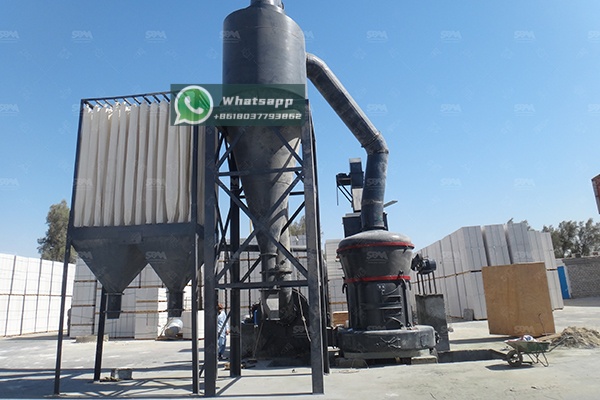
Recommended Grinding Equipment from Shanghai Zenith Machinery
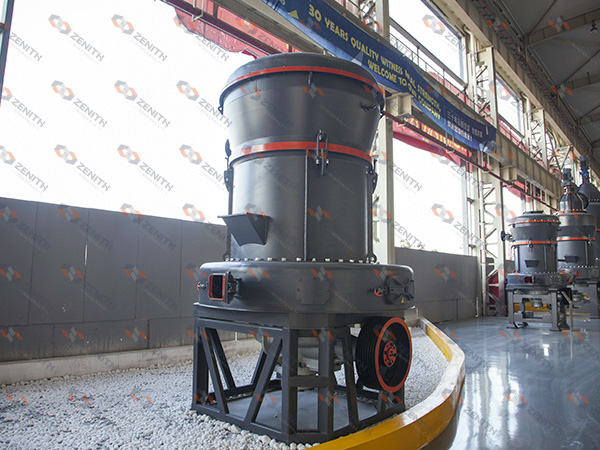
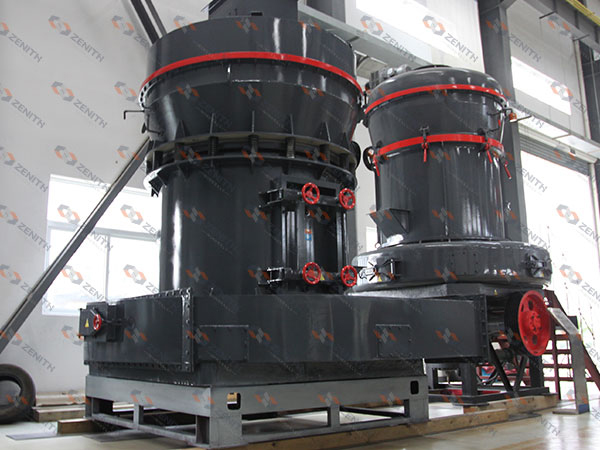
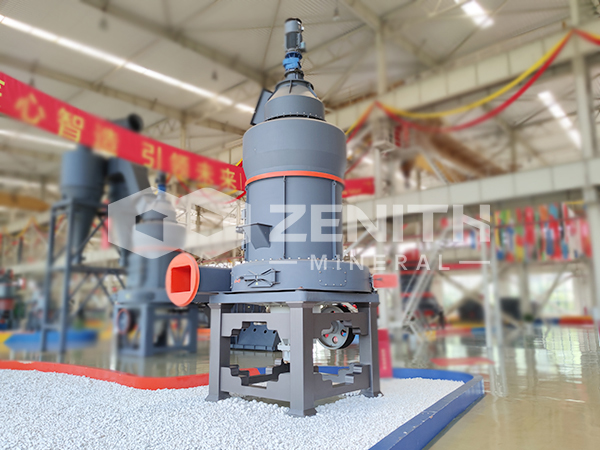
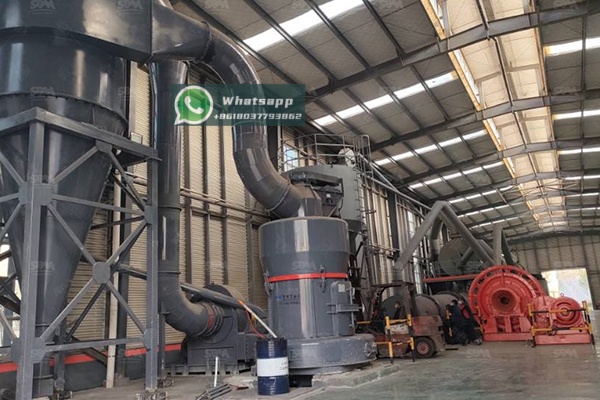
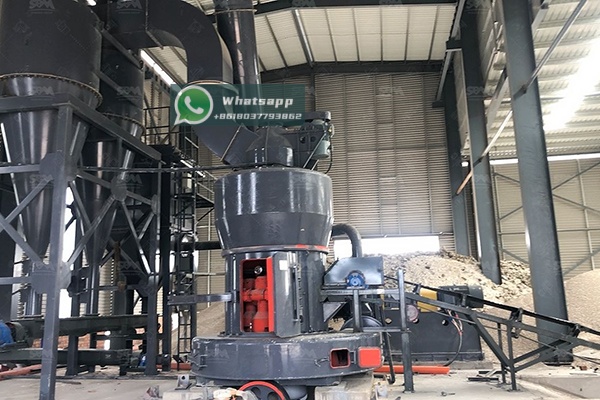
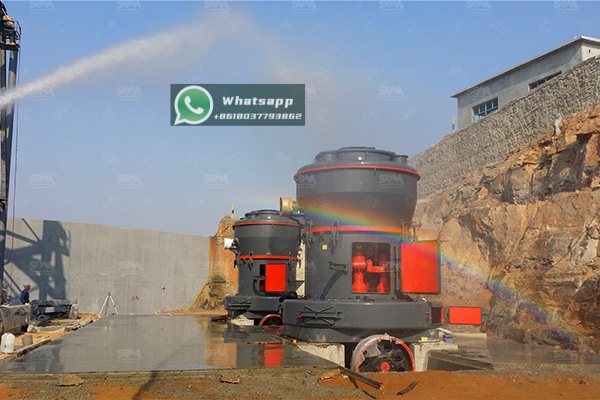
For diatomite processing in Zambia, Shanghai Zenith Machinery Co., Ltd. recommends the MTW Trapezium Grinding Mill and the XZM Ultrafine Grinding Mill. The MTW mill is an excellent choice for producing 0.045 mm to 1.6 mm powder with high efficiency and stable performance. It features multiple patents, a compact structure, and long service life, which are crucial in remote Zambian locations where maintenance access may be limited. The MTW110 model can handle feed sizes below 30 mm and produce 3-9 tons per hour, while the larger MTW138Z and MTW175G models offer capacities from 6 to 25 tons per hour. The main motor power ranges from 55 kW to 160 kW, allowing flexible matching with available electricity or generator capacity.
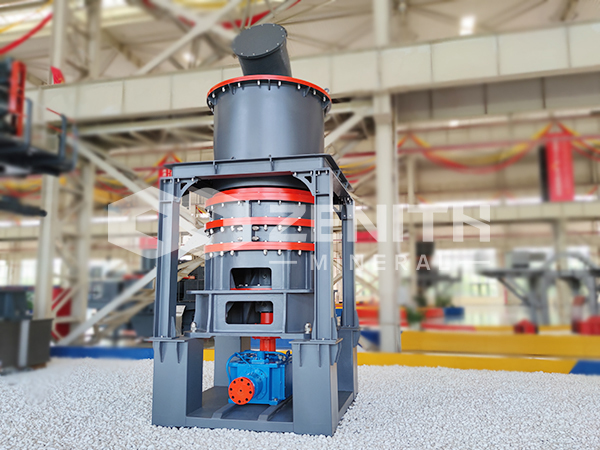
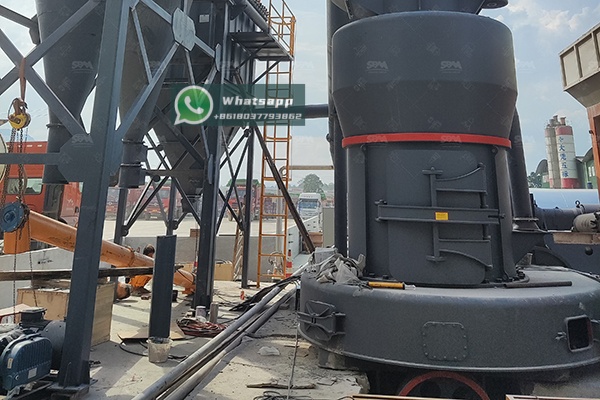
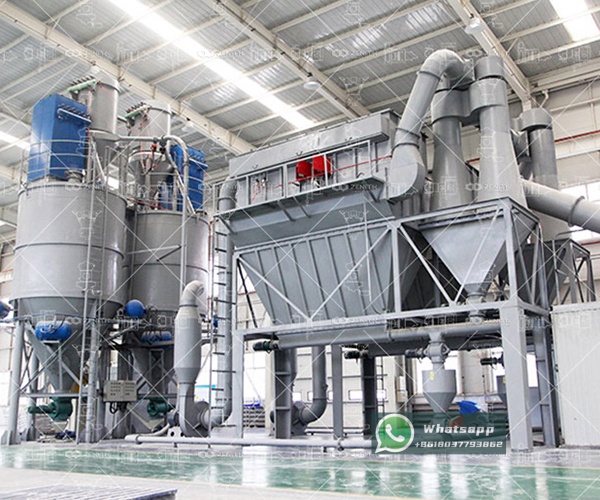
For projects that require a finer diatomite powder for more advanced water purification, the XZM Ultrafine Grinding Mill is ideal. It is widely used for superfine powder production and can achieve output fineness from 325 to 2500 mesh. The XZM221 model has a working diameter of Φ800 mm, a max feed size of ≤20 mm, and an output of 500-4500 kg/h with a 75 kW main motor. The larger XZM268 can produce 5000-25000 kg/h and is suitable for large-scale diatomite filter aid production. Both models can grind soft or medium-hard materials with moisture below 6%, making them well suited for dry diatomite processing.
Why Zenith Mills Benefit Zambia’s Water Sector
Shanghai Zenith Machinery Co., Ltd. is known globally for reliable industrial powder grinding equipment. The company’s research, development, and production focus on efficiency, durability, and environmental protection. For Zambia, the use of Zenith grinding mills can help establish local diatomite processing capacity, reducing dependence on imported filter aids. Local processing creates jobs and makes water purification more affordable. Moreover, the compact design of the MTW and XZM mills reduces the footprint and civil engineering costs. Their enclosed systems minimize dust, which is important for worker health and environmental compliance. With easy-to-operate controls and robust components, these mills are practical for mid-sized Zambian enterprises and government-driven water projects.
Conclusion
Diatomite grinding is a critical step in unlocking the potential of Zambia’s natural diatomite resources for water purification. By investing in a high-quality grinding mill, Zambian water treatment providers can produce consistent, effective filter powders and improve access to clean water. The MTW Trapezium Grinding Mill and XZM Ultrafine Grinding Mill from Shanghai Zenith Machinery Co., Ltd. offer proven performance, flexible capacities, and energy-saving advantages. As Zambia continues to address its water and sanitation challenges, these mills can play a key role in building sustainable, locally based water purification systems. For any new project, careful evaluation of target fineness, throughput, and power availability will guide the best equipment choice, and Zenith’s product range provides excellent options for both standard and fine diatomite powder production.
Key Equipment
Want This Solution for Your Project?
Contact us for a customized quotation and technical proposal.
Interested in This Solution?
Send us a message and our engineers will get back to you within 24 hours.