
Introduction: Carbon Black Pigment Demand in Turkey
Turkey occupies a strategic position between Europe and Asia, and its coatings, printing ink, plastics, rubber, and masterbatch industries continue to expand. As a result, the demand for high-quality carbon black pigment is rising. Carbon black is one of the most important black pigments because it provides strong tinting strength, deep jetness, UV stability, and excellent cost efficiency. However, producing pigment-grade carbon black powder with consistent quality is not simply a matter of crushing raw material. It requires precise grinding, classification, dust control, and powder collection. For Turkish manufacturers, selecting the right carbon black grinding mill is therefore a critical investment decision.
Why Carbon Black Requires Specialized Grinding
Carbon black is a fine, light, and highly structured material. Its primary particles are extremely small, and they tend to form aggregates and agglomerates. In pigment applications, these agglomerates must be broken down to achieve uniform dispersion, maximum color strength, and stable rheology. If the particle size distribution is too wide, the final coating or ink may show poor gloss, haze, speckling, or inconsistent shade. If grinding generates excessive heat or contamination, the pigment can lose performance or introduce foreign particles.
Pigment-grade carbon black generally requires fine or ultrafine grinding. Depending on the application, final fineness may range from 325 mesh to 2500 mesh, or approximately 44 microns down to 5 microns. High-jetness inks and automotive coatings often demand the finest fractions, while masterbatch and general industrial coatings may accept a slightly coarser specification. In all cases, the grinding system must deliver a narrow particle size distribution, high classification efficiency, and reliable dust collection.
Key Equipment Requirements for Turkish Pigment Producers
Turkish carbon black processors need equipment that combines productivity with precision. Important selection factors include:
- Ultrafine grinding capability for high tinting strength and jetness.
- Efficient air classification to prevent over-grinding and narrow the particle size distribution.
- Closed-loop dust collection to protect workers and the environment.
- Low contamination design to preserve pigment purity.
- Energy-efficient motors and stable operation for continuous production.
- Easy maintenance and accessible spare parts to minimize downtime.
- Compliance with local environmental and workplace safety standards.
Because carbon black is a combustible dust under certain conditions, explosion-proof design, proper grounding, and adequate ventilation are also important considerations. A professional grinding mill supplier should understand these risks and provide appropriate system integration.
Recommended Shanghai Zenith Grinding Mills for Carbon Black Pigment
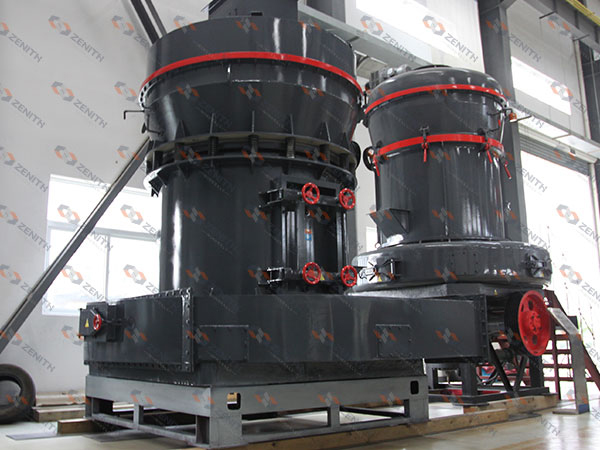
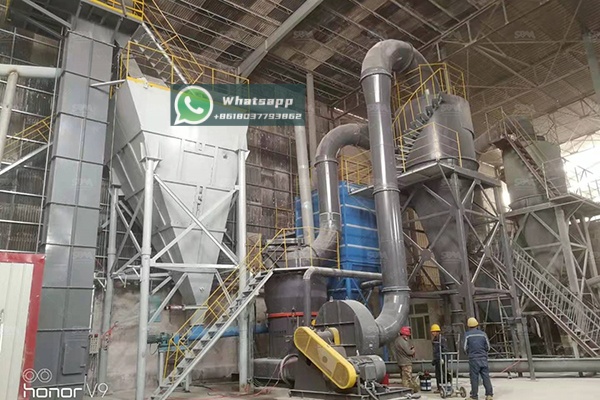
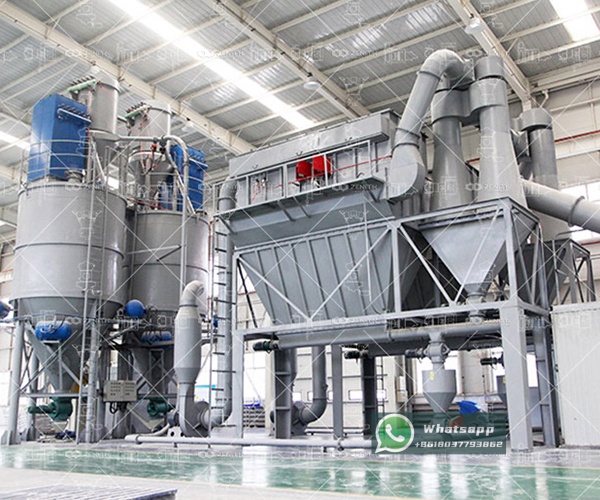
Shanghai Zenith Machinery Co., Ltd. is an experienced manufacturer of ore grinding equipment in China and has achieved significant progress in ultrafine powder grinding. The company specializes in research, development, and production of industrial powder grinding equipment. For carbon black pigment applications in Turkey, two products are particularly suitable: the XZM Ultrafine Grinding Mill and the LUM Ultrafine Vertical Mill.
XZM Ultrafine Grinding Mill
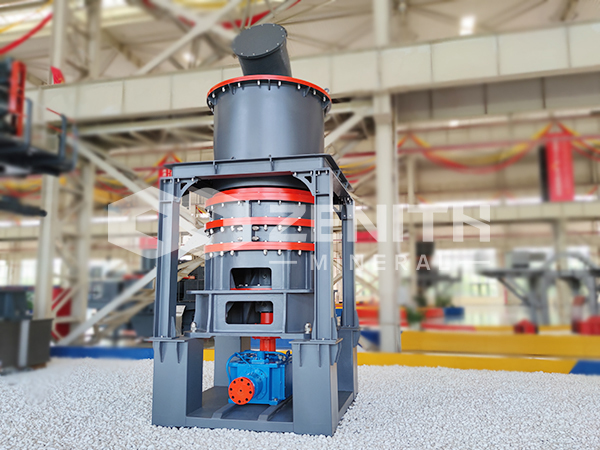
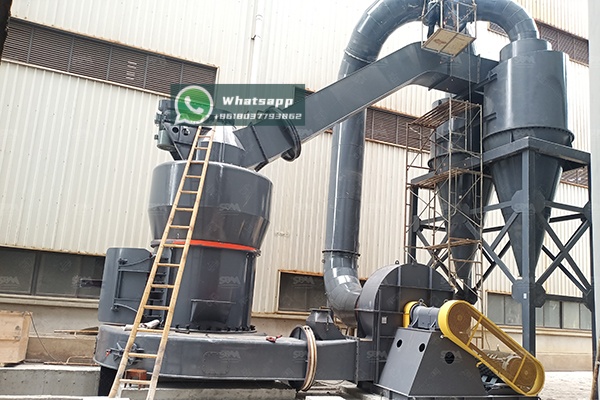
The XZM Ultrafine Grinding Mill is widely used for superfine powder production. It is suitable for grinding soft or medium-hard materials with moisture content below 6%, and it can achieve an output fineness of 325 to 2500 mesh. This makes it an excellent choice for carbon black pigment grades used in printing inks, coatings, and masterbatch.
Key parameters include:
- XZM221: working diameter Φ800 mm, max feed size ≤20 mm, final size 325-2500 mesh, output 500-4500 kg/h, main motor 75 kW.
- XZM268: working diameter Φ1680 mm, max feed size ≤20 mm, final size 325-2500 mesh, output 5000-25000 kg/h, main motor 315 kW.
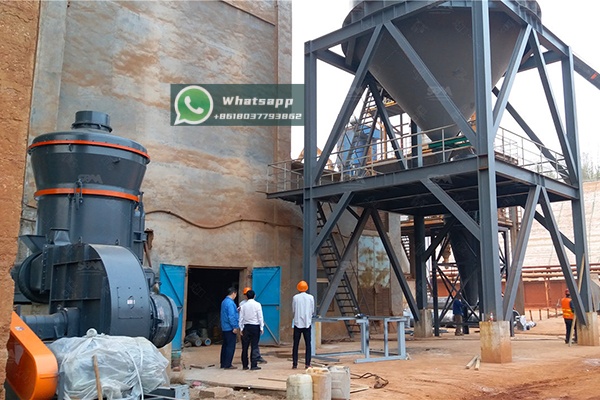
The XZM mill uses a high-efficiency classifier and a closed grinding circuit. It helps produce a uniform ultrafine powder, reduces waste, and supports stable product quality. For small to medium carbon black pigment lines in Turkey, the XZM221 offers a flexible entry point. For larger operations, the XZM268 provides high capacity while maintaining fine product control.
LUM Ultrafine Vertical Mill
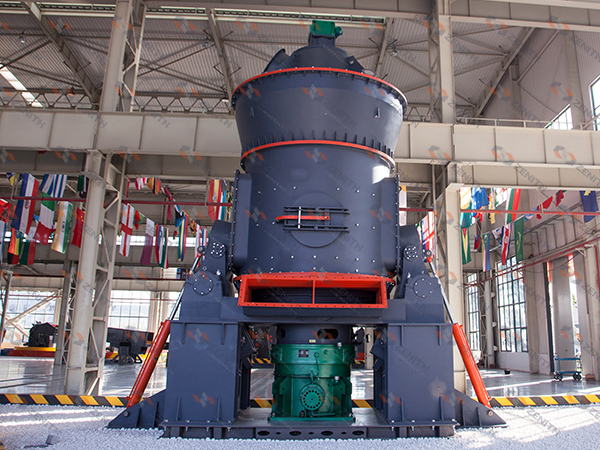
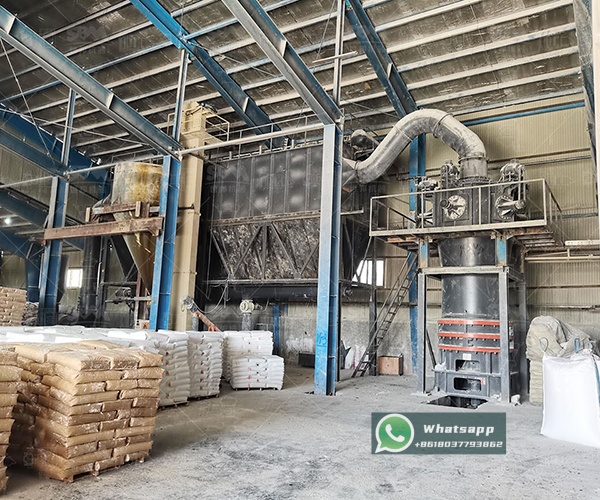
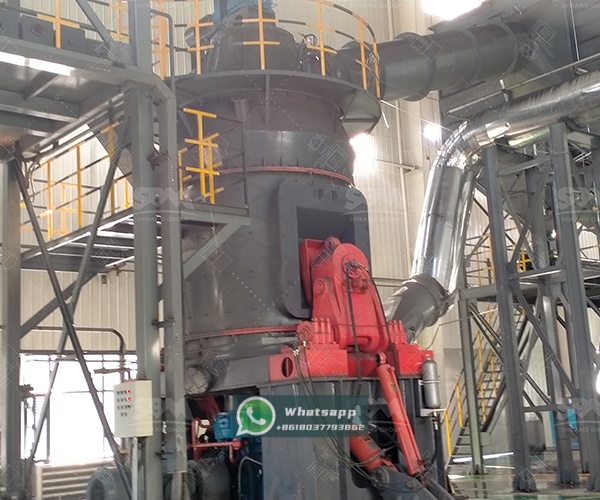
The LUM Ultrafine Vertical Mill integrates grinding, drying, classifying, and transportation in one compact system. It is designed to produce a high content of end-fines and features intelligent control for easier operation and maintenance. The LUM series is especially attractive for carbon black pigment plants that require large-scale production and consistent ultrafine quality.
Available models include:
- LUM1525: main machine power 220-250 kW, capacity 1.6-11.5 t/h, size distribution D97 5-30 μm.
- LUM1632: main machine power 280-315 kW, capacity 2.0-13.5 t/h, size distribution D97 5-30 μm.
- LUM1836: main machine power 355-400 kW, capacity 2.3-15 t/h, size distribution D97 5-30 μm.
With a D97 range of 5-30 microns, the LUM mill can satisfy demanding pigment specifications. Its vertical layout saves floor space, and its internal classification system helps avoid excessive fines and coarse particles. For Turkish manufacturers serving the automotive, ink, and high-performance coating sectors, the LUM Ultrafine Vertical Mill can be an efficient and intelligent solution.
Integrating Grinding into a Carbon Black Pigment Line
A complete carbon black pigment grinding system normally includes feeding, grinding, classification, dust collection, and packing. The selection of the mill must be matched with the upstream and downstream equipment. For example, a controlled feeding system prevents fluctuation, while a high-efficiency pulse-jet collector captures fine carbon black powder and keeps the working environment clean. If the application requires de-agglomeration before final milling, the grinding circuit can be designed with appropriate pre-treatment and classification stages.
In Turkey, carbon black pigment powder is used in architectural coatings, industrial coatings, printing inks, plastics, wire and cable compounds, and rubber products. Each application has different requirements for tinting strength, dispersibility, oil absorption, and surface chemistry. A flexible grinding solution allows producers to adjust the final fineness and meet different customer specifications. The XZM and LUM mills can be configured with different classifiers and collection systems to support these varied needs.
Service, Training, and Local Support
Shanghai Zenith Machinery Co., Ltd. supports customers worldwide with engineering consultation, equipment selection, installation guidance, commissioning, and operator training. For Turkish pigment producers, timely technical service and spare parts availability are essential for continuous production. The company can help evaluate raw material characteristics, target fineness, capacity requirements, and plant layout before recommending a suitable mill configuration. This reduces project risk and ensures that the grinding line performs as expected from the start.
Conclusion
Carbon black is a demanding pigment material, and its grinding process directly affects color strength, dispersion, gloss, and final product quality. For Turkish manufacturers seeking a reliable carbon black grinding mill for pigment applications, Shanghai Zenith offers proven ultrafine grinding technology. The XZM Ultrafine Grinding Mill is an ideal choice for flexible fine powder production from 325 to 2500 mesh, while the LUM Ultrafine Vertical Mill provides high-capacity, intelligent processing with D97 sizes from 5 to 30 microns. By selecting the right equipment and integrating it into a well-designed powder processing system, Turkish pigment producers can improve efficiency, product consistency, and competitiveness in both domestic and export markets.
Key Equipment
Want This Solution for Your Project?
Contact us for a customized quotation and technical proposal.
Interested in This Solution?
Send us a message and our engineers will get back to you within 24 hours.