Introduction
Ethiopia is increasingly recognized for its industrial mineral potential, especially in the Rift Valley and other sedimentary basins. Diatomite, also known as diatomaceous earth (DE), is a naturally occurring siliceous sedimentary rock formed from fossilized diatoms. Its unique porous structure, low bulk density, high surface area, chemical inertness, and excellent filtration capacity make it a valuable material for filtration media, filter aids, absorbents, fillers, and insulating products. As the Ethiopian beverage, edible oil, pharmaceutical, and water-treatment industries expand, the demand for locally processed diatomite filtration material is growing. Efficient grinding is a critical step in converting raw Ethiopian diatomite into high-quality filtration products.
Why Diatomite Is Important for Filtration
Diatomite filtration works because each diatom frustule contains microscopic pores and channels. When properly processed, these particles form a permeable filter cake that traps suspended solids while allowing liquid to pass at a controlled rate. This makes diatomite ideal for beer, wine, fruit juice, edible oil, sugar syrup, water, swimming pool, and pharmaceutical filtration. In Ethiopia, where brewing, bottled water, and food processing are growing, high-quality filter aids can reduce imports and support local value addition.
However, raw diatomite cannot be used directly as an effective filter aid. It usually requires crushing, drying, calcination or flux calcination, grinding, classification, and quality control. The grinding stage determines particle size distribution (PSD), particle shape retention, bulk density, flow rate, and clarity. Over-grinding can destroy the natural porous structure and reduce permeability; under-grinding can leave coarse impurities and inconsistent filtration performance.
Key Grinding Requirements for Diatomite Filtration Material
Controlled Particle Size Distribution
Filtration grades are commonly classified into coarse, medium, and fine filter aids. Ethiopian producers may need to target different PSDs for different applications. A flexible grinding circuit should be able to produce products from relatively coarse filtration media to fine polishing grades without excessive fines.
Preservation of Porous Structure
Diatomite is relatively soft, but its delicate frustules can be damaged by excessive impact or heat. Grinding equipment should provide efficient size reduction with minimal structural degradation. This is especially important for high-value filtration products.
Moisture and Dust Control
Ethiopian diatomite may contain variable moisture depending on the deposit and season. Pre-drying may be required before fine grinding. Dust collection and enclosed conveying are also essential for worker safety and environmental compliance, because crystalline silica dust requires careful management.
Energy Efficiency and Scale
To compete in domestic and export markets, Ethiopian processors need energy-efficient mills with reliable capacity. Equipment should be easy to maintain, capable of continuous operation, and adaptable to future capacity expansion.
Recommended Zenith Grinding Mills for Ethiopian Diatomite
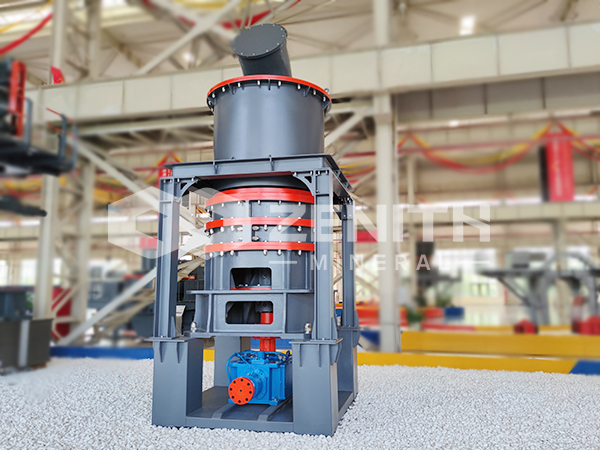
Shanghai Zenith Machinery Co., Ltd. is an excellent manufacturer of ore grinding equipment in China and has made great achievements in the field of ultra-fine powder grinding. The company specializes in research, development, and production of industrial powder grinding equipment. For diatomite filtration material in Ethiopia, Zenith recommends the MTW Trapezium Grinding Mill and the XZM Ultrafine Grinding Mill. These two products can cover coarse-to-fine filtration grades and provide stable, scalable production.
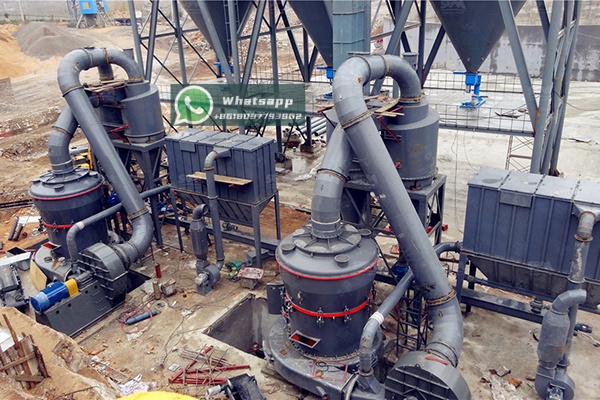
MTW Trapezium Grinding Mill
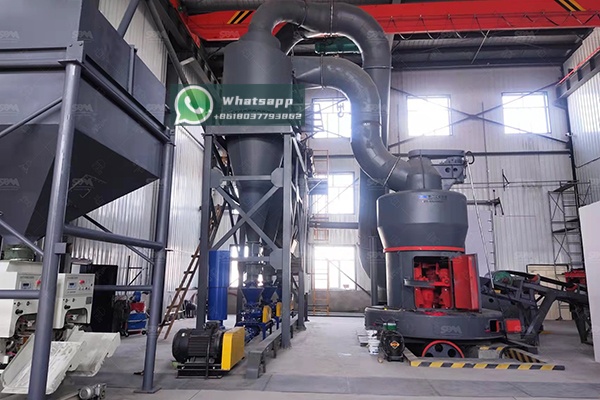
The MTW Trapezium Grinding Mill is a patented, compact, and eco-friendly grinding solution. It is suitable for materials with a maximum input size of 50 mm and can produce final products as fine as 0.038 mm, depending on the model and configuration. With capacities from 3 t/h to 45 t/h, the MTW series is an excellent choice for primary or secondary grinding of diatomite filter aids.
For Ethiopian diatomite plants, the MTW mill offers several advantages. Its optimized grinding rollers and curved grinding ring improve grinding efficiency while reducing wear. The integrated classifier helps control final fineness and particle size distribution, which is critical for filtration performance. The mill can be configured with dust collection and negative-pressure operation to reduce dust emissions. Models such as MTW110, MTW138Z, MTW175G, and MTW215G provide a range of capacities for small, medium, and large projects.
| Model | Max. Feed Size (mm) | Final Size (mm) | Capacity (t/h) | Main Motor (kW) |
|---|---|---|---|---|
| MTW110 | <30 | 1.6-0.045 | 3-9 | 55 |
| MTW138Z | <35 | 1.6-0.045 | 6-17 | 90 |
| MTW175G | <40 | 1.6-0.045 | 9.5-25 | 160 |
| MTW215G | <50 | 1.6-0.045 | 15-45 | 280 |
For a typical Ethiopian filter-aid project, the MTW138Z or MTW175G can be a practical starting point. They balance capacity, fineness control, and energy consumption. When paired with a drying system and air classifier, the MTW mill can produce consistent coarse and medium filtration grades for beer, edible oil, and water treatment applications.
XZM Ultrafine Grinding Mill
For finer filtration grades and high-value diatomite products, the XZM Ultrafine Grinding Mill is an outstanding choice. It is widely used for superfine powder production and is suitable for soft or medium-hard materials with moisture content below 6%. Diatomite is relatively soft, making it well suited to XZM processing. The XZM can achieve an output fineness of 325-2500 mesh, with capacities from 500 kg/h to 25,000 kg/h depending on the model.
The XZM Ultrafine Grinding Mill is ideal for producing fine filter aids, functional fillers, absorbents, and specialty diatomite powders. Its high-efficiency classifier ensures a narrow particle size distribution, which improves filtration clarity and consistency. The system can be equipped with a pulse dust collector, automatic control, and wear-resistant liners to handle continuous production. For Ethiopian processors targeting premium domestic markets or export opportunities, the XZM268 offers large-scale ultra-fine capacity, while the XZM221 is suitable for smaller specialized lines.
| Model | Working Diameter (mm) | Max Feed Size (mm) | Final Size (mesh) | Output (kg/h) | Main Motor (kW) |
|---|---|---|---|---|---|
| XZM221 | Φ800 | ≤20 | 325-2500 | 500-4500 | 75 |
| XZM268 | Φ1680 | ≤20 | 325-2500 | 5000-25000 | 315 |
Designing a Diatomite Grinding Plant in Ethiopia
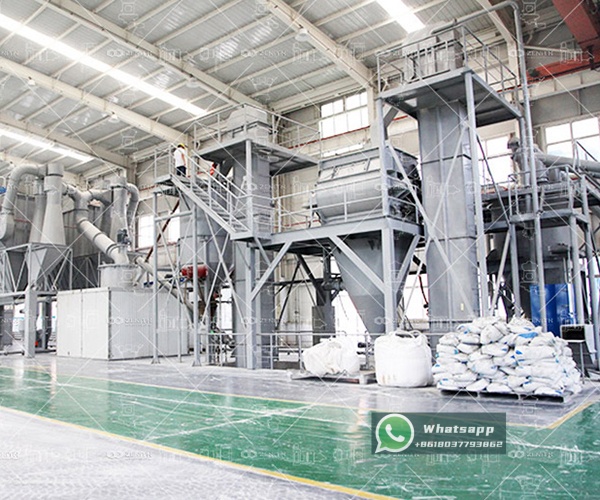
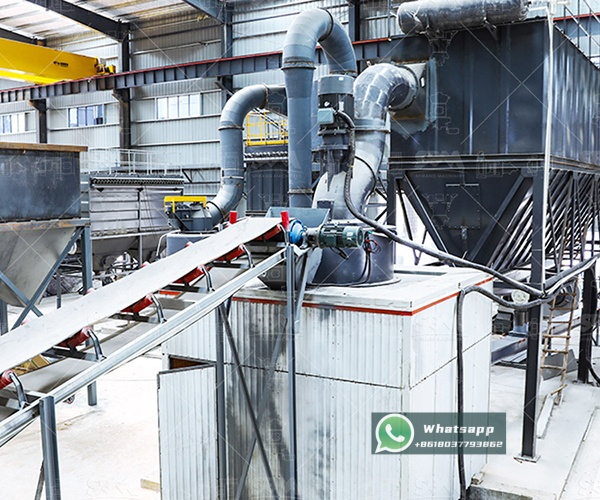
A complete diatomite filtration material plant usually includes raw material storage, crushing, drying, grinding, classification, product collection, dust control, and packaging. The optimal configuration depends on the deposit characteristics, moisture content, silica content, desired PSD, and production capacity. Zenith can provide customized process design, equipment selection, installation guidance, and after-sales support. For Ethiopian projects, local logistics, power supply, spare parts availability, and operator training should also be considered during planning.
If the raw diatomite has high moisture, a rotary dryer or flash dryer may be installed before the mill. If the material contains coarse impurities, screening or magnetic separation may be added. For filtration grades, an air classifier can be used after grinding to remove excess fines or coarse particles. The MTW and XZM mills can be integrated into such circuits to achieve stable product quality.
Market Outlook for Diatomite Filtration Material in Ethiopia
Ethiopia’s growing population, urbanization, and industrial development are driving demand for clean water, beverages, edible oils, and pharmaceuticals. Diatomite filtration material is essential in these sectors. By processing local diatomite with advanced grinding technology, Ethiopian companies can reduce reliance on imported filter aids, create jobs, and add value to mineral resources. High-quality grinding equipment is the foundation of this value chain.
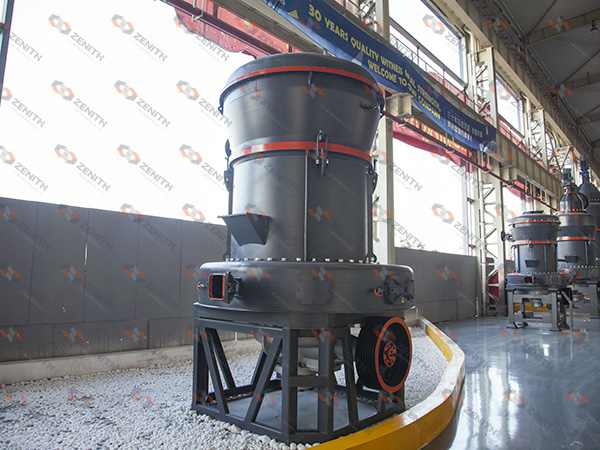
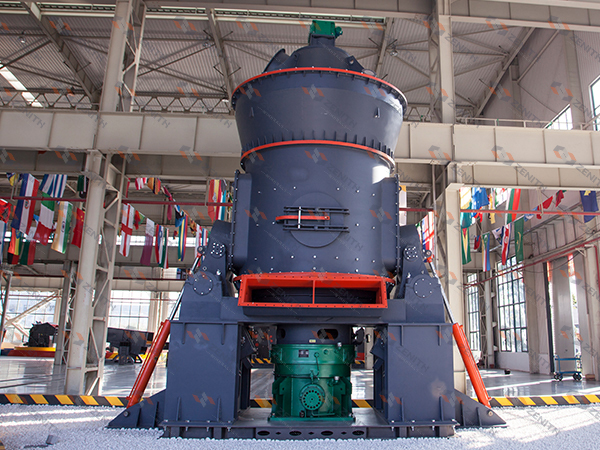
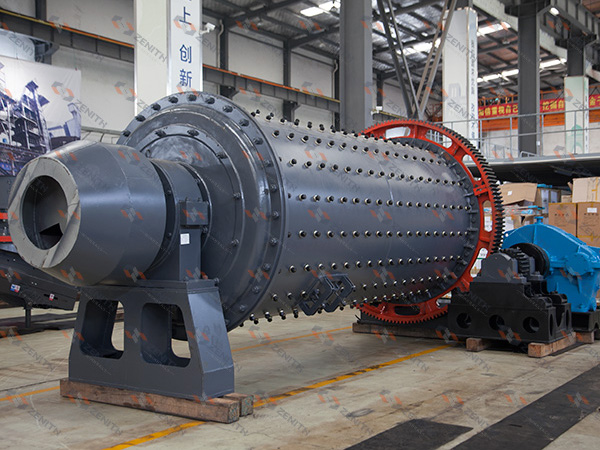
Shanghai Zenith Machinery Co., Ltd. offers a comprehensive range of grinding mills, including MTW Trapezium Grinding Mill, Ball Mill, MTM Medium-Speed Grinding Mill, Raymond Mill, LM Vertical Grinding Mill, LUM Ultrafine Vertical Mill, XZM Ultrafine Grinding Mill, and Hammer Mill. For diatomite filtration material in Ethiopia, the MTW Trapezium Grinding Mill and XZM Ultrafine Grinding Mill are recommended for their efficiency, fineness control, and scalability.
Conclusion
Diatomite is a strategic industrial mineral for Ethiopia, and filtration material is one of its most valuable applications. Successful production depends on careful processing, especially grinding and classification. The MTW Trapezium Grinding Mill is ideal for coarse-to-medium filtration grades with high capacity, while the XZM Ultrafine Grinding Mill excels in fine and ultra-fine diatomite powders. By choosing Zenith equipment, Ethiopian investors can build reliable, efficient, and environmentally responsible diatomite grinding plants. With proper engineering and operation, locally produced diatomite filtration material can serve Ethiopia’s growing industries and compete in regional markets.
Want This Solution for Your Project?
Contact us for a customized quotation and technical proposal.
Interested in This Solution?
Send us a message and our engineers will get back to you within 24 hours.