Introduction to Basalt Processing in Ethiopia
Ethiopia’s mining and minerals industry is entering a transformative phase, driven by rapid infrastructure development, urbanization, and a strategic shift toward local value addition. Among the country’s abundant geological resources, basalt stands out as one of the most important industrial minerals. This dark, fine-grained volcanic rock covers extensive areas of the Ethiopian highlands and offers immense potential for producing high-quality powders used in construction, cement, asphalt filler, mineral wool, and geotechnical applications. To turn this hard and highly abrasive rock into a finely divided commodity, mineral processors need a robust and efficient basalt milling line.
A typical basalt milling line involves several stages: primary crushing, secondary crushing, grinding, classification, and powder collection. Basalt’s hardness and abrasiveness demand equipment with wear-resistant parts and high throughput. The selection of grinding technology is critical, as basalt is significantly harder than limestone or gypsum. Traditional Raymond mills often struggle with capacity and wear when processing high-silica materials. This is where modern roller mills and vertical grinding mills demonstrate their superiority.
Basalt Characteristics and Milling Requirements
Basalt is composed mainly of plagioclase, pyroxene, and olivine, with a Mohs hardness of 5 to 7 and a compressive strength often exceeding 300 MPa. Its high silica content makes it resistant to weathering but also imposes severe stress on grinding elements. A basalt milling line must therefore combine high grinding force, controlled moisture removal, and precise classification. The final product may range from coarse aggregates below 3 mm to fine powders of 0.045 mm, or even ultrafine powders with a D97 of 5 to 30 microns. Each application imposes different demands, and the milling line must be flexible enough to meet them.
Designing the Right Basalt Milling Line
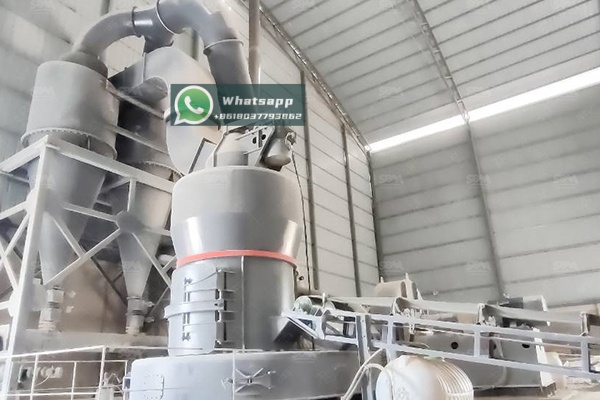
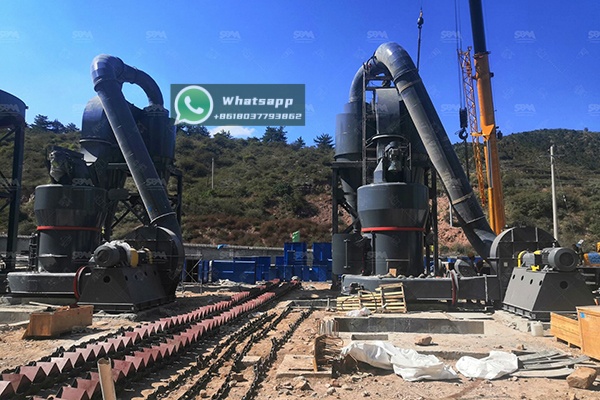
The first step in a basalt grinding plant is crushing the run-of-mine material to a size acceptable for the mill. For a typical milling line, a jaw crusher and a cone crusher reduce the basalt to a nominal feed size of under 40 mm, depending on the mill model. Then a storage hopper and feeder system deliver the material to the grinding mill at a controlled rate. In the mill, the basalt is crushed, ground, and dried in one continuous operation. A classifier returns oversized particles for further grinding, while fine powder is collected by a bag filter or cyclone. This integrated design minimizes footprint, energy consumption, and manual intervention.
Recommended Zenith Products for Basalt Powder Grinding
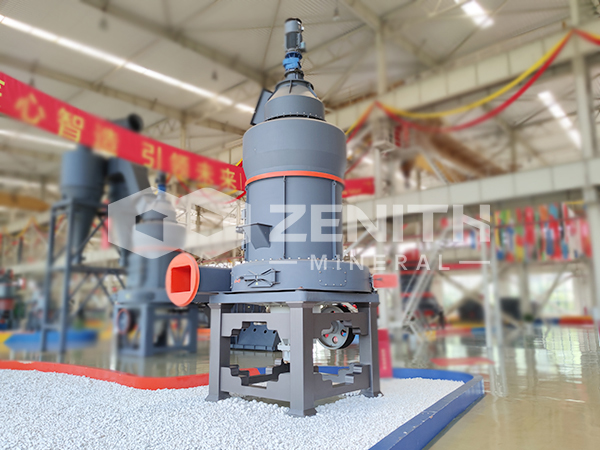
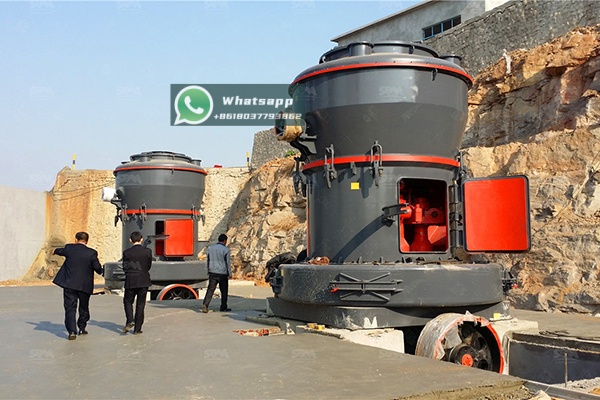
Shanghai Zenith Machinery Co., Ltd. is an excellent manufacturer of ore grinding equipment in China and has made great achievements in the field of ultra-fine powder grinding. The company specializes in the research, development, and production of industrial powder grinding equipment, including MTW Trapezium Grinding Mill, MTM Medium-Speed Grinding Mill, LM Vertical Grinding Mill, LUM Ultrafine Vertical Mill, XZM Ultrafine Grinding Mill, and other related devices. For a basalt milling line in Ethiopia, we recommend two proven solutions: the MTW Trapezium Grinding Mill and the LUM Ultrafine Vertical Mill.
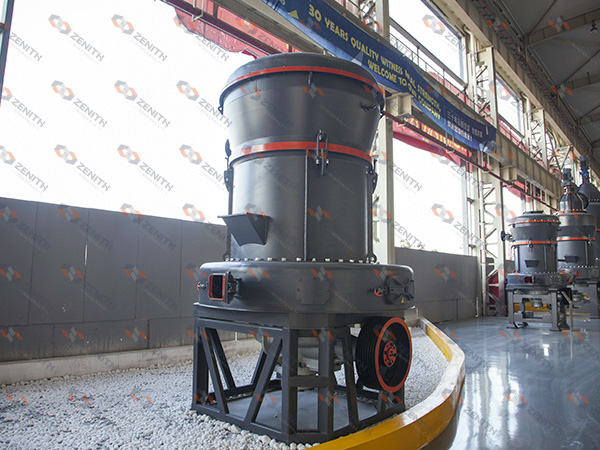
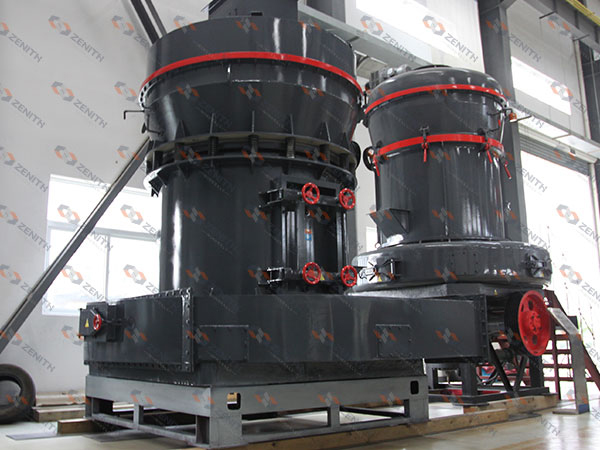
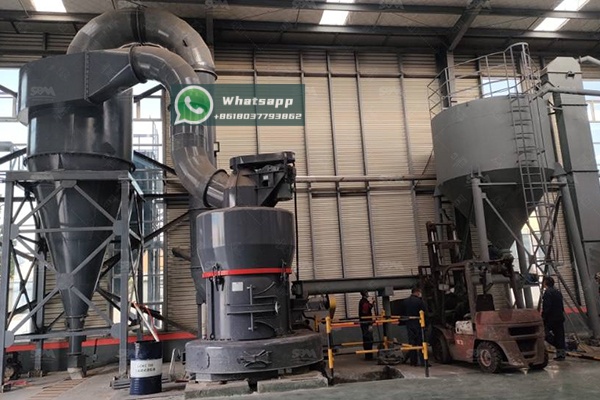
The MTW Trapezium Grinding Mill is a multi-patented grinding mill known for its compact structure, long service life, and eco-friendly operation. It is specifically designed to handle hard materials such as basalt. With a maximum feed size of up to 50 mm and a final fineness adjustable between 1.6 mm and 0.045 mm, the MTW mill can process 3 to 45 tons per hour depending on the model. For instance, the MTW175G model accepts a feed size below 40 mm and delivers a capacity of 9.5 to 25 tons per hour with a main motor power of 160 kW. The MTW215G model pushes further with a feed size below 50 mm and a capacity of 15 to 45 tons per hour. These features make the MTW series an ideal core machine for large-scale basalt milling lines in Ethiopia.
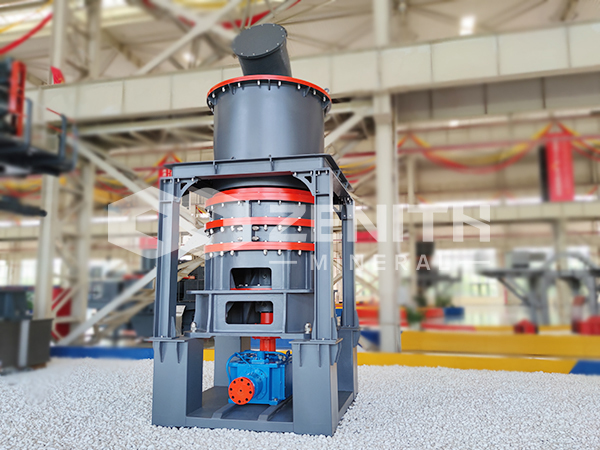
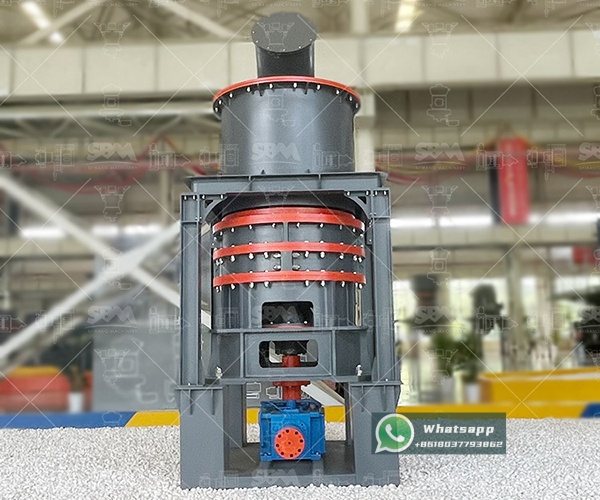
For applications requiring superfine basalt powder, the LUM Ultrafine Vertical Mill is the technology of choice. This mill integrates grinding, drying, classifying, and transportation in a single compact unit. It uses a three-dimensional dynamic classifier to achieve a product size distribution with D97 from 5 to 30 microns. The LUM1525 model has a main machine power of 220 to 250 kW and a capacity of 1.6 to 11.5 tons per hour, while the LUM1836 model produces up to 15 tons per hour. The LUM series is ideal for producing high-value basalt powders used in paints, plastics, rubber, and geopolymer binders, where extreme fineness and consistent particle size distribution are essential.
Why Zenith Is a Trusted Partner for Ethiopia
Zenith’s equipment is widely installed in Africa and other developing markets, and Ethiopia’s mineral producers can rely on both the machinery and the company’s technical support. Zenith offers complete solutions from raw material testing to plant design, installation supervision, and staff training. The company understands the local environment, including power supply variability and maintenance needs, and configures the milling line to achieve optimal energy efficiency.
In a basalt milling line, durability is the first priority. The grinding rollers and liners used in Zenith machines are manufactured from high-chrome alloy and other wear-resistant materials, substantially extending service life when grinding abrasive basalt. Moreover, the modular design simplifies maintenance and reduces downtime. This is critical in remote sites where quick access to spare parts can be challenging.
Economic and Environmental Benefits
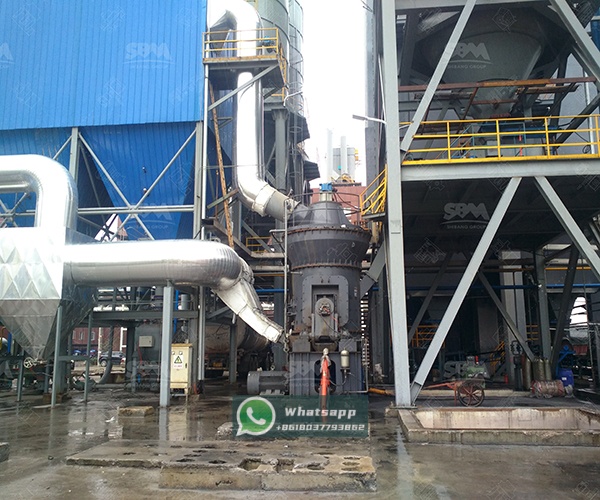
Basalt powder produced on a well-designed milling line can be utilized in many profitable industries. In Ethiopia, expansion of road and rail networks creates large demand for basalt aggregate and mineral filler for asphalt. Finely ground basalt powder is also an excellent pozzolanic material for cement production, improving the durability of concrete while lowering the clinker factor. By investing in an advanced milling line, mineral processors can move up the value chain and supply both domestic and export markets.
Zenith’s grinding mills are also engineered for environmental sustainability. The internal circulation system reduces air pollution, and the bag filter captures fine dust before it escapes. Energy consumption per ton of product is lower than that of conventional mills because the grinding mechanisms are optimized for maximum efficiency. For Ethiopian industrial projects that must meet international environmental standards, these features are decisive.
Conclusion
Basalt milling in Ethiopia represents a significant opportunity for mineral processors who are prepared to adopt modern equipment. The hardness and abrasiveness of basalt require not only powerful grinding machines but also a supplier with experience and reliable after-sales support. Shanghai Zenith Machinery Co., Ltd. offers the MTW Trapezium Grinding Mill and LUM Ultrafine Vertical Mill as ideal choices for building a basalt milling line, from medium-fine powders to ultrafine grades.
By partnering with Zenith, Ethiopian investors can obtain a complete basalt milling solution designed for high capacity, low operating cost, and product quality. Whether the target is construction powder, road building materials, or ultrafine mineral filler, Zenith’s equipment is well suited to unlock the value of Ethiopia’s abundant basalt deposits.
Key Equipment
Want This Solution for Your Project?
Contact us for a customized quotation and technical proposal.
Interested in This Solution?
Send us a message and our engineers will get back to you within 24 hours.