
Introduction to Basalt and Its Importance in Sand Production
Basalt is a volcanic rock formed from the rapid cooling of lava at the Earth’s surface. It is one of the most abundant rock types in the world, particularly in regions with active or ancient volcanic activity. Indonesia, located along the Pacific Ring of Fire, is endowed with vast reserves of basalt, making it a highly accessible and cost-effective raw material for the construction industry. The rock is characterized by its high compressive strength (often exceeding 300 MPa), excellent abrasion resistance, and low water absorption, which makes it an ideal source for producing high-quality manufactured sand. Manufactured sand, or M-sand, is increasingly replacing natural river sand in concrete and asphalt mixtures due to environmental regulations and the depletion of natural sand resources. Basalt sand offers superior durability and particle shape when processed correctly, enhancing the performance of concrete structures. Therefore, investing in a reliable basalt grinding mill is crucial for Indonesian sand producers who aim to meet the growing demand for premium aggregates.
The Demand for Sand in Indonesia
Indonesia’s rapid urbanization and infrastructure development—including the construction of new roads, ports, airports, housing, and commercial buildings—have created an insatiable demand for sand. According to industry reports, the country consumes over 100 million tons of sand annually, and this figure is expected to rise by 5-7% per year. However, illegal sand mining from rivers has caused severe environmental damage, leading to government bans and stricter regulations on natural sand extraction. As a result, the Indonesian government strongly encourages the use of manufactured sand produced from crushed rocks like basalt. This shift presents a significant opportunity for businesses to set up basalt sand production lines. The key to success lies in selecting the right crushing and grinding equipment that can efficiently process the hard and abrasive basalt rock while maintaining low operating costs and high output quality.
Processing Basalt for Sand Production
The typical production process for basalt sand involves several stages: primary crushing, secondary crushing, tertiary crushing or sand shaping, and finally grinding (if fine sand or powder is required). Large basalt boulders are first fed into a jaw crusher for primary reduction to pieces of 100-200 mm. The material then passes through a cone crusher or impact crusher for secondary crushing, reducing it to 20-40 mm. For sand production, a vertical shaft impact crusher (VSI) or a hammer mill is commonly used as the final shaping stage to achieve a cubical particle shape and the desired gradation. However, when the target product includes fine sand (0-3 mm) or even finer powders for use in specialized applications such as asphalt fillers or cement additives, a dedicated grinding mill becomes essential. Grinding mills not only produce fine particles but also offer precise control over particle size distribution, ensuring consistency in the final product.
Choosing the Right Grinding Mill for Basalt Sand
When selecting a grinding mill for basalt sand production in Indonesia, several factors must be considered: the hardness and abrasiveness of basalt, the desired output fineness, capacity requirements, and energy consumption. Basalt has a high Mohs hardness of 6-7, which means it can cause significant wear on mill components if the equipment is not designed for such materials. Shanghai Zenith Machinery Co., Ltd., a leading manufacturer of ore grinding equipment in China, offers a range of mills that have proven effective for basalt processing.
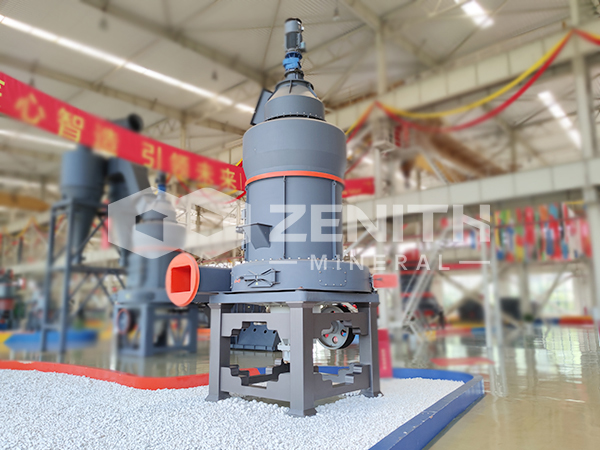
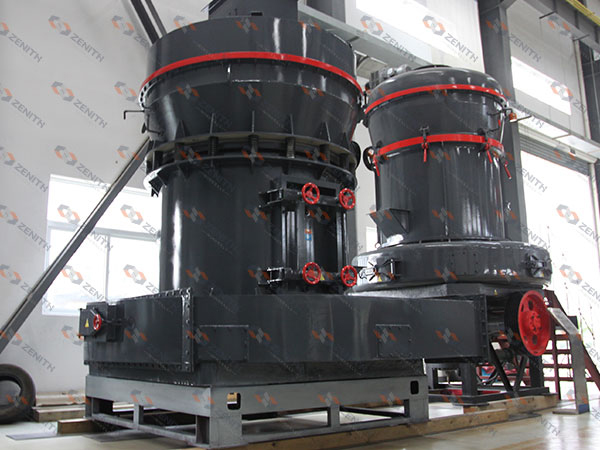
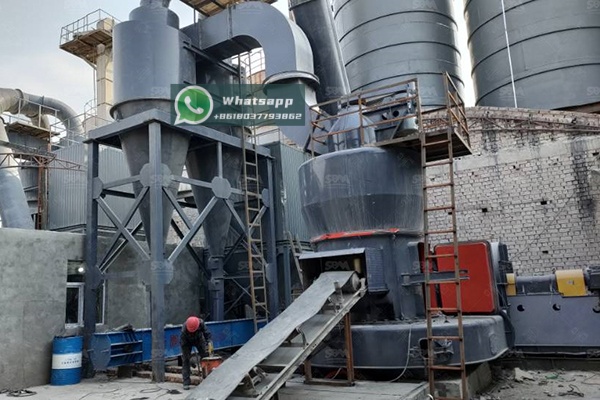
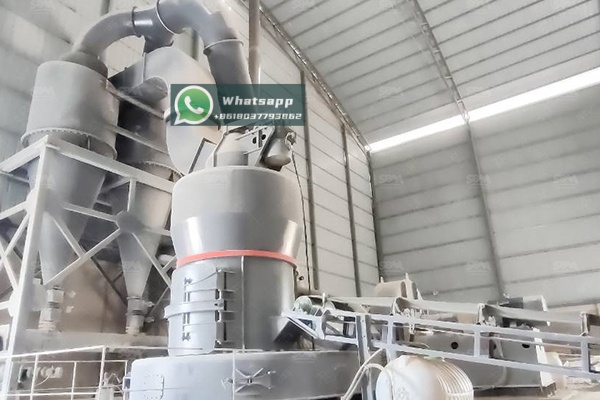
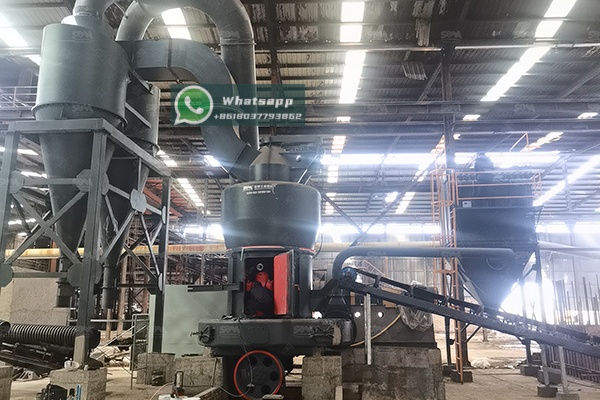
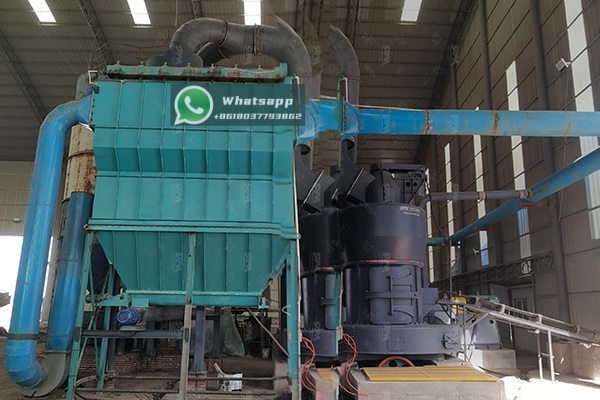
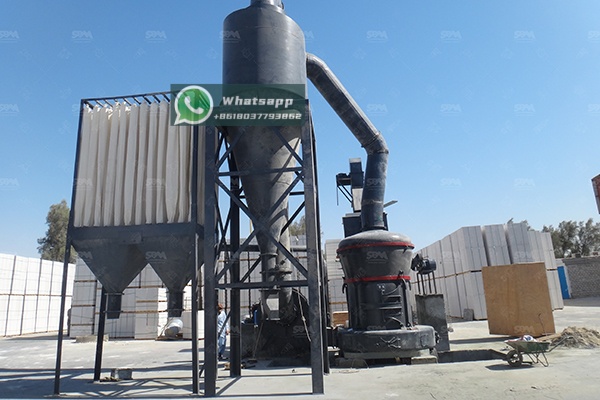
For producing sand in the 0-3 mm size range, the Hammer Mill from Zenith is an excellent choice. The HM4008-75 model, for instance, can process basalt with a maximum feed size of 30 mm and deliver an output of 8-15 t/h with a discharge size of 0-3 mm. Its robust rotor design and high-speed impact mechanism effectively break down the hard basalt while maintaining a low cost per ton. Additionally, the hammer mill’s simple structure allows for easy maintenance and replacement of wear parts, which is critical for remote Indonesian sites. For producers who require a finer product, such as 0.045 mm (325 mesh) for mineral fillers or ultra-fine powders, the MTW Trapezium Grinding Mill is highly recommended. The MTW110 model can handle basalt feed up to 30 mm and produce fineness ranging from 1.6 mm down to 0.038 mm, with a capacity of 3-9 t/h. Its patented multi-cylinder hydraulic system and curved shovel blade ensure stable operation and high grinding efficiency even with abrasive materials.
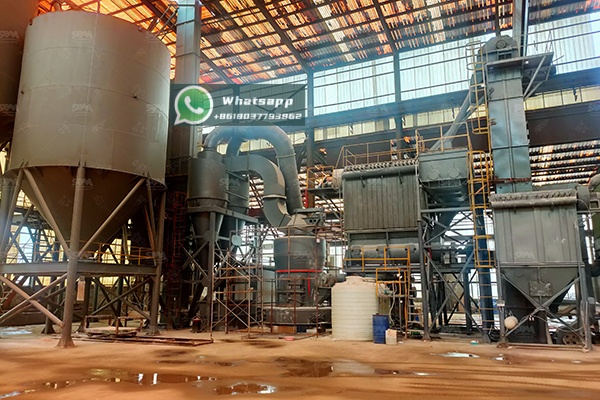
Both mills are backed by Zenith’s extensive experience in the ultra-fine powder grinding field. The company has made great achievements in processing hard and medium-hard materials, and its products are widely used in over 120 countries. For Indonesian sand producers, the combination of a hammer mill for primary sand production and an MTW mill for fine powder applications offers a flexible and efficient solution. Moreover, Zenith’s commitment to after-sales service and spare parts supply ensures minimal downtime and optimal performance throughout the equipment’s lifecycle.
Why Choose Shanghai Zenith Machinery?
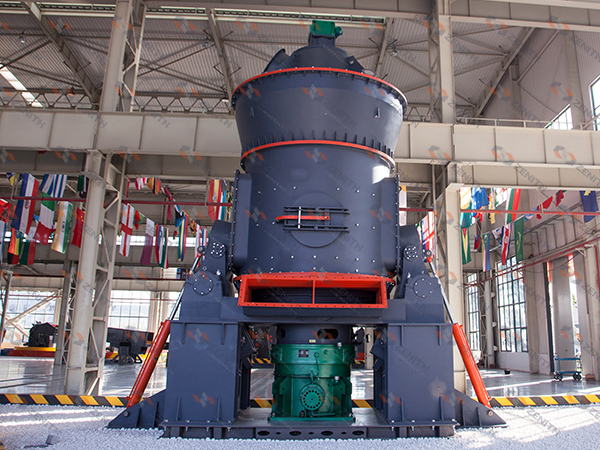
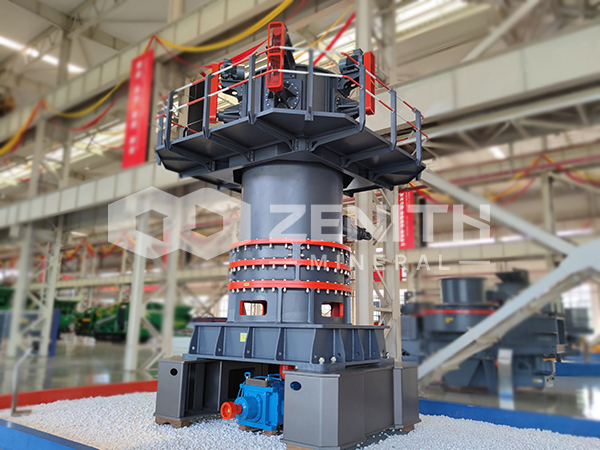
Shanghai Zenith Machinery Co., Ltd. is an excellent manufacturer of ore grinding equipment in China. The company specializes in the research, development, and production of industrial powder grinding equipment and other related devices. Its main products include MTW Trapezium Grinding Mill, MTM Medium-Speed Grinding Mill, LM Vertical Grinding Mill, LUM Ultrafine Vertical Mill, XZM Ultrafine Grinding Mill, Hammer Mill, Ball Mill, and Raymond Mill. Each product line is designed with advanced technology and strict quality control to meet the diverse needs of customers worldwide. For basalt sand production in Indonesia, Zenith not only provides durable and efficient grinding mills but also offers complete turnkey solutions including crushing, screening, conveying, and dust collection systems. The company’s professional engineers can tailor the equipment configuration based on specific site conditions and raw material characteristics, ensuring maximum productivity and return on investment.
Conclusion
Basalt is an ideal raw material for manufactured sand in Indonesia, given the country’s abundant volcanic resources and the rising demand for sustainable construction materials. Choosing the proper grinding mill is the cornerstone of a successful sand production operation. Shanghai Zenith Machinery’s Hammer Mill and MTW Trapezium Grinding Mill have proven track records in processing hard and abrasive basalt, delivering consistent output quality and low operational costs. By partnering with Zenith, Indonesian sand producers can achieve high efficiency, minimal environmental impact, and long-term profitability. For more information on equipment specifications and pricing, please contact Zenith’s regional office in Indonesia or visit their official website.
Key Equipment
Want This Solution for Your Project?
Contact us for a customized quotation and technical proposal.
Interested in This Solution?
Send us a message and our engineers will get back to you within 24 hours.