Cement Clinker Mill for Cement Additive Grinding in Indonesia
Indonesia is one of the most active cement markets in Southeast Asia. The country’s growing infrastructure, housing, and industrial projects continue to drive demand for ordinary Portland cement, blended cement, and specialty cement products. As producers seek to reduce clinker factor, lower production costs, and meet sustainability targets, the grinding of cement additives has become a critical operation. A reliable cement clinker mill for cement additive grinding in Indonesia must handle hard clinker, abrasive slag, sticky gypsum, and variable pozzolan while delivering consistent fineness, high availability, and low energy consumption. Shanghai Zenith Machinery Co., Ltd. offers proven grinding solutions for this exact challenge.
Why Cement Additives Matter in Indonesian Cement Production
Cement additives are materials added to or interground with clinker to improve cement performance, reduce cost, or lower carbon intensity. They include gypsum for set regulation, limestone as a filler, fly ash from coal power plants, volcanic pozzolan, and granulated blast furnace slag. Indonesia has abundant natural pozzolan and fly ash resources, making blended cement an attractive route for cement producers. However, these materials vary widely in hardness, moisture, and grindability. If they are not ground to the correct particle size distribution, concrete workability, strength development, and durability can suffer.
A dedicated grinding line for additives gives cement plants greater control over product quality. Instead of relying only on intergrinding all components in a ball mill, producers can grind clinker and additives separately or use a flexible circuit that adjusts proportions and fineness. This approach supports the production of Portland pozzolan cement, Portland fly ash cement, slag cement, limestone blended cement, and custom formulations for Indonesian construction projects.
Key Technical Requirements for a Cement Additive Grinding Mill in Indonesia
Material Characteristics
Clinker is hard, abrasive, and relatively dry, while gypsum can become sticky in humid conditions. Fly ash is usually fine but may contain moisture, and natural pozzolan can be abrasive and variable. Slag is difficult to grind and requires high grinding pressure and efficient classification. In Indonesia, the tropical climate and rainy season can increase feed moisture, so drying capability is essential. Wear-resistant liners, hard-faced rollers, and robust seals help maintain availability in these conditions.
Capacity, Fineness, and Product Consistency
Cement additive grinding lines in Indonesia may range from 10 t/h to more than 150 t/h, depending on plant scale and market demand. Typical product fineness targets are 325 to 600 m2/kg Blaine, or a controlled residue on a 45 micron sieve. For slag and high-performance blended cements, fineness may need to be even higher. The mill must deliver stable output, accurate classification, and easy adjustment when the additive mix changes.
Energy Efficiency, Drying, and Environmental Control
Power cost is a major factor in cement profitability. Vertical grinding mills can achieve high grinding efficiency and lower specific energy consumption compared with traditional ball mills. Modern grinding lines also require efficient dust collection, low noise, and reliable hot gas systems for drying. Environmental compliance and worker safety are important in every Indonesian cement project, especially in populated areas and near ports.
Recommended Shanghai Zenith Equipment for Indonesian Cement Additive Grinding
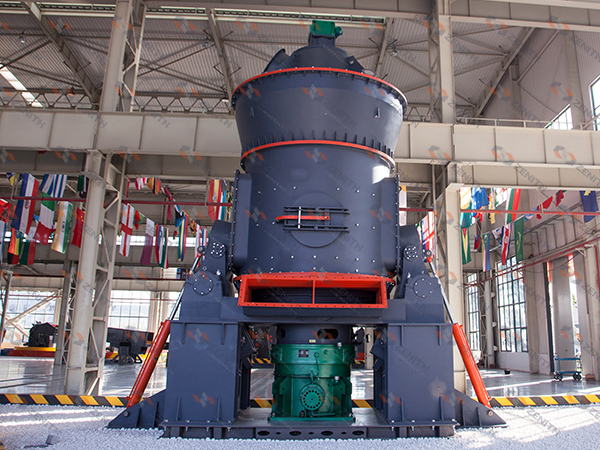
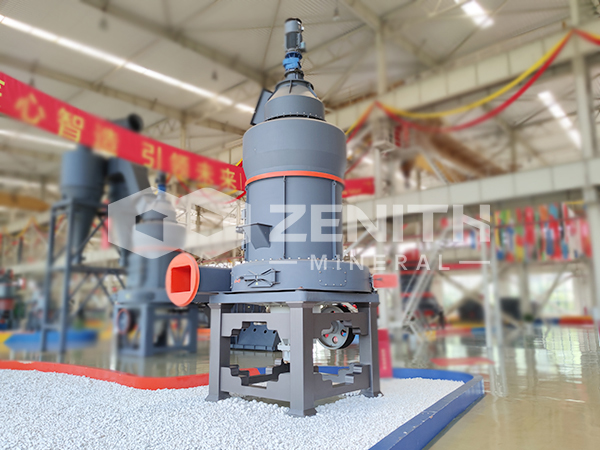
Shanghai Zenith Machinery Co., Ltd. is an excellent manufacturer of ore grinding equipment in China, and has made great achievements in the field of ultra-fine powder grinding. The company specializes in the research, development, and production of industrial powder grinding equipment and related devices. Its main products include MTW Trapezium Grinding Mill, Ball Mill, MTM Medium-Speed Grinding Mill, Raymond Mill, LM Vertical Grinding Mill, LUM Ultrafine Vertical Mill, XZM Ultrafine Grinding Mill, and Hammer Mill. For cement additive grinding in Indonesia, two products are especially recommended: the LM Vertical Grinding Mill and the MTW Trapezium Grinding Mill.
1. LM Vertical Grinding Mill: High-Capacity and Energy-Efficient Choice
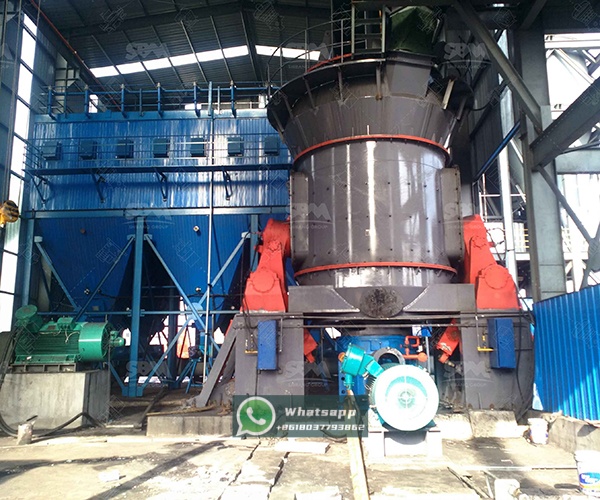
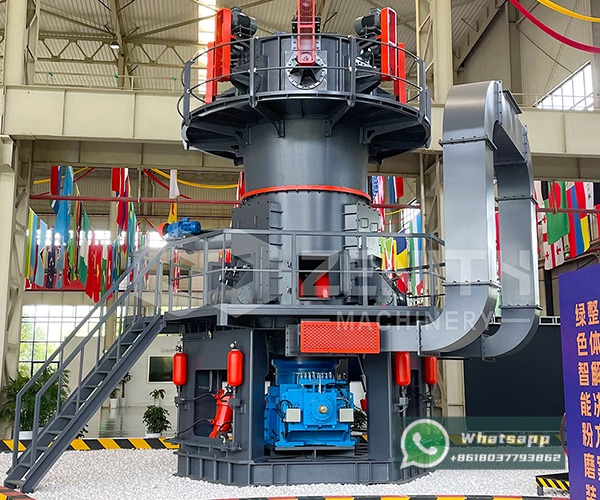
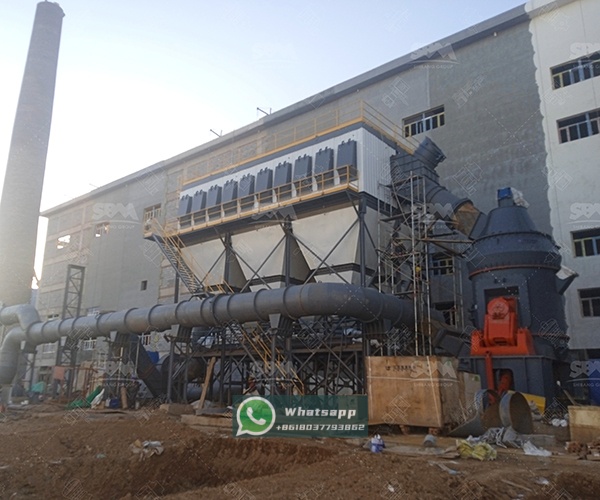
The LM Vertical Grinding Mill integrates crushing, grinding, powder selection, drying, and material conveying into a single machine. It occupies a small footprint, produces a fine final powder, and offers an eco-friendly production solution. For cement additives such as clinker, gypsum, pozzolan, fly ash, and slag, the LM mill can be configured with hot air for drying and a dynamic classifier for precise fineness control. In Indonesia, where power supply and logistics can be challenging, the compact layout and low energy consumption of the LM vertical mill provide clear advantages.
| Model | Plate diameter (mm) | Capacity (t/h) | Output fineness (μm) | Max feed size (mm) | Main motor (kW) |
|---|---|---|---|---|---|
| LM130K | 1300 | 10-28 | 170-40 | <38 | 200 |
| LM190K | 1900 | 23-68 | 170-40 | <45 | 500 |
| LM280K | 2800 | 50-170 | 170-45 | <50 | 1250 |
For slag-rich cement additives, Zenith also offers the LM Vertical Slag Mill Series, including LM130N with 4-6 t/h, LM220N with 20-26 t/h, and LM370N with 90-110 t/h. These models can be selected when the grinding line focuses on granulated blast furnace slag or mixed slag-cement additives.
2. MTW Trapezium Grinding Mill: Flexible Medium-Capacity Solution
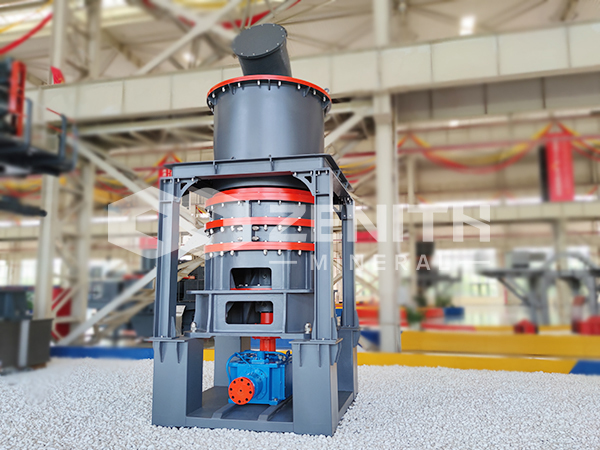
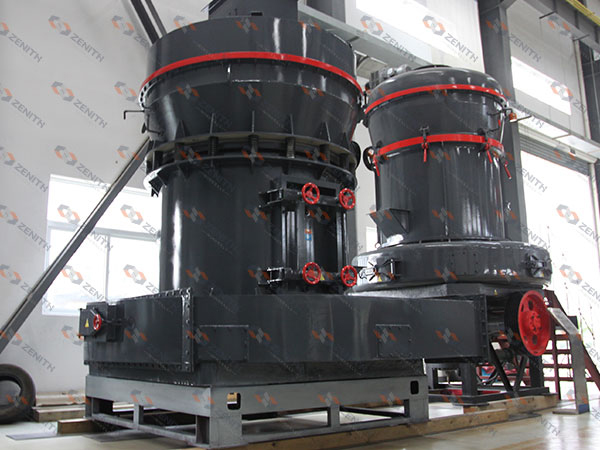
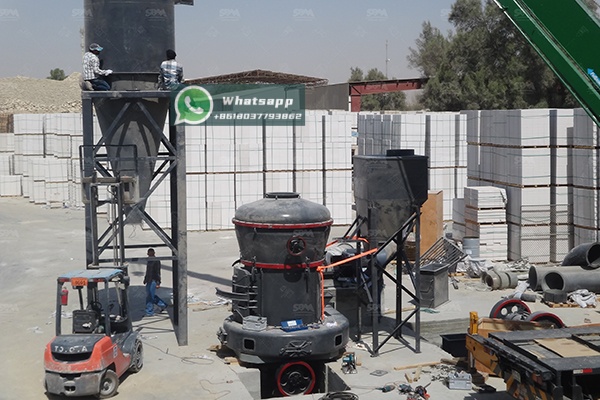
The MTW Trapezium Grinding Mill is a grinding mill with multiple patents. It is known for its compact structure, long service life, and eco-friendly design. It is suitable for processing materials with a maximum input size of 50 mm and can produce a final product as fine as 0.038 mm. The MTW mill is an excellent choice for medium-scale cement additive grinding, product diversification, and brownfield expansions. It can handle limestone, gypsum, pozzolan, clinker, and other cement additives with high efficiency.
| Model | Max. Feed Size (mm) | Final size (mm) | Capacity (t/h) | Main motor (kW) | Fan motor (kW) |
|---|---|---|---|---|---|
| MTW110 | <30 | 1.6-0.045 | 3-9 | 55 | 55 |
| MTW110Z | <30 | 1.6-0.045 | 3-10 | 55 | 55 |
| MTW138Z | <35 | 1.6-0.045 | 6-17 | 90 | 110 |
| MTW175G | <40 | 1.6-0.045 | 9.5-25 | 160 | 200 |
| MTW215G | <50 | 1.6-0.045 | 15-45 | 280 | 315 |
Typical Process Configuration for a Cement Additive Grinding Line
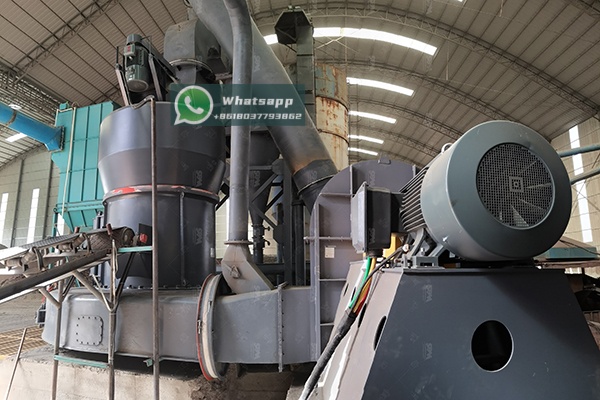
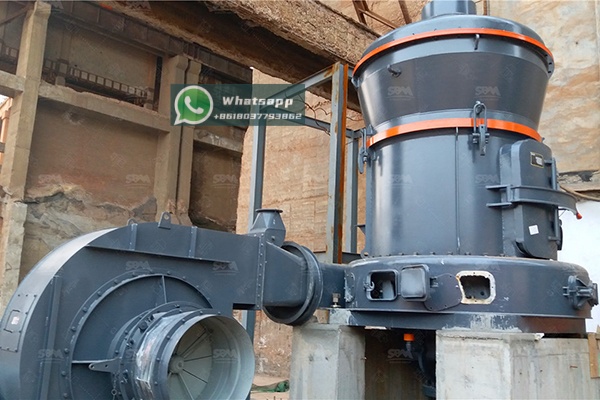
A complete cement additive grinding line usually includes a feed hopper, variable-speed feeder, metal detector, grinding mill, hot air generator, dynamic classifier, bag filter, induced draft fan, air slide, bucket elevator, storage silo, and packing or bulk loading system. Automation is important for stable operation. The control system should monitor feed rate, mill vibration, differential pressure, product fineness, and motor load. In Indonesia, modular design and containerized components can simplify transport to remote islands and reduce site construction time.
Why Zenith Equipment Fits Indonesian Projects
Shanghai Zenith Machinery Co., Ltd. combines research, development, manufacturing, and service support. The company’s grinding mills are designed for continuous industrial operation, with wear-resistant materials and proven mechanical structures. For Indonesian cement producers, Zenith can provide process consultation, equipment selection, layout design, commissioning support, operator training, and spare parts recommendations. The LM and MTW mills can be adapted to different capacities and fineness targets, making them suitable for both greenfield additive grinding stations and upgrades of existing cement plants.
Selection and Maintenance Guidelines
When selecting a cement clinker mill for cement additive grinding in Indonesia, consider the abrasion index, moisture content, grindability, target Blaine, required capacity, and available additives. Check the local power supply, space limitations, and environmental regulations. During operation, maintain proper lubrication, inspect roller and liner wear, monitor vibration and temperature, and keep the dust collection system in good condition. Regular maintenance not only extends equipment life but also protects product quality and reduces downtime.
Conclusion
As Indonesia continues to develop its infrastructure and reduce the carbon intensity of cement, efficient additive grinding will remain a key priority. The right cement clinker mill can improve product quality, lower energy consumption, and increase the use of local supplementary cementitious materials. Shanghai Zenith Machinery Co., Ltd. recommends the LM Vertical Grinding Mill for high-capacity, energy-efficient additive grinding and the MTW Trapezium Grinding Mill for flexible medium-capacity production. With proven technology and professional support, Zenith can help Indonesian cement producers build reliable and profitable grinding lines for today and the future.
Key Equipment
Want This Solution for Your Project?
Contact us for a customized quotation and technical proposal.
Interested in This Solution?
Send us a message and our engineers will get back to you within 24 hours.