
Introduction
Kenya’s environmental filtration sector is expanding quickly as municipalities, industries, and households seek reliable solutions for cleaner water and air. From wastewater treatment plants in Nairobi and Mombasa to air filtration systems in cement, food processing, and manufacturing facilities, filtration media must deliver consistent performance under demanding conditions. Carbon black is an important functional material in many of these applications. Although carbon black is not a direct substitute for activated carbon, it is widely used as a functional additive in polymer-based filter media, geotextiles, membrane support layers, conductive filtration components, and composite filter cartridges. It can improve mechanical strength, ultraviolet stability, antistatic behaviour, and dimensional stability of filtration products. The quality of the carbon black powder has a direct influence on dispersion, pressure drop, filtration efficiency, and service life. For this reason, selecting the right carbon black mill is a critical decision for filtration media manufacturers in Kenya.
Why carbon black milling matters for filtration media
Carbon black is supplied as fluffy powder, beads, or compacted granules. In filtration media production, these materials must be de-agglomerated and classified into a controlled particle size distribution. Coarse agglomerates can create defects, weak points, and inconsistent pore structures in filter media. Overgrinding can also be undesirable because it may increase energy consumption and alter surface characteristics. The ideal milling system therefore needs more than high grinding force. It requires stable feeding, effective de-agglomeration, precise classification, reliable dust collection, and consistent product quality from batch to batch.
For environmental filtration media, manufacturers usually pay close attention to final fineness, particle size distribution, dispersion, sieve residue, moisture content, and contamination. A narrow and repeatable particle size distribution helps achieve uniform dispersion in polymers and coatings, improves surface finish, and supports predictable filtration behaviour. Dust control is equally important. Carbon black is a fine and potentially combustible dust, so the grinding plant should be designed with grounded equipment, proper explosion protection measures, efficient bag filters, and safe material handling. In Kenya, where environmental compliance and workplace safety are increasingly important, a closed and well-controlled grinding circuit is a practical advantage.
Kenya-specific considerations
Kenya faces significant water stress and growing urban air quality challenges. At the same time, the country has a dynamic manufacturing base and strong demand for affordable environmental technologies. Local processing of carbon black offers several benefits. It reduces dependence on imported finished powders, shortens lead times, lowers logistics costs, and allows manufacturers to adjust product fineness for specific filtration media. Local grinding also supports job creation and technical skills development.
However, operating a carbon black mill in Kenya requires attention to local conditions. Equipment should be energy-efficient because power costs and production continuity matter. Dust collection must meet the expectations of the National Environment Management Authority and protect workers. Spare parts availability, service support, and operator training are also essential. A robust mill with simple maintenance access and reliable automation can reduce downtime and help Kenyan producers remain competitive. Shanghai Zenith Machinery Co., Ltd. understands these requirements and offers industrial grinding equipment designed for stable operation and environmental protection.
Recommended grinding solutions from Shanghai Zenith Machinery
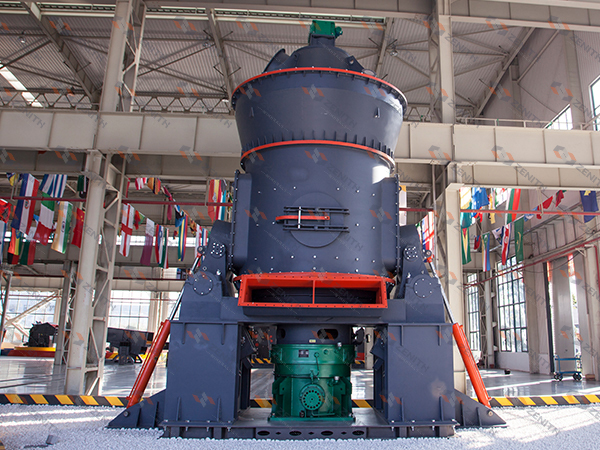
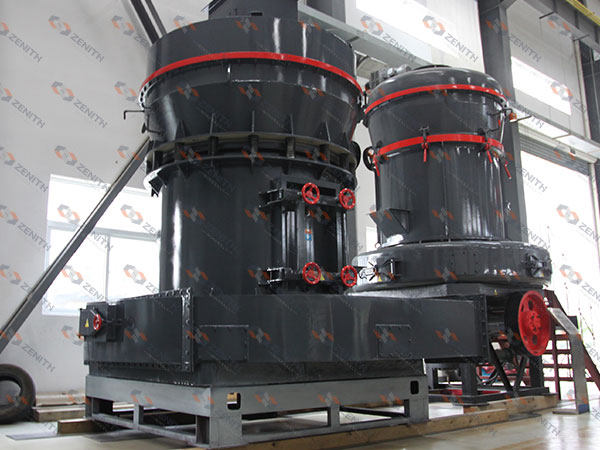
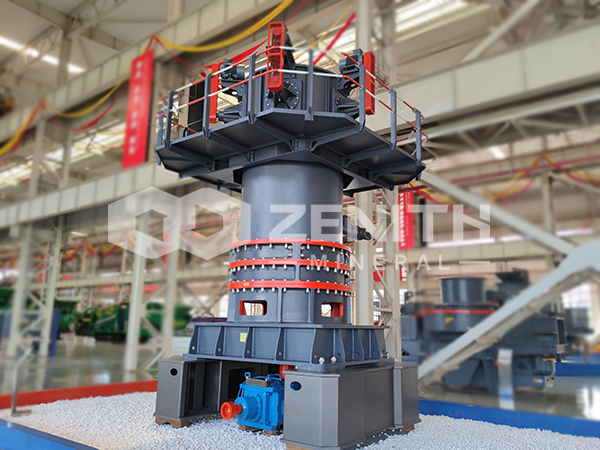
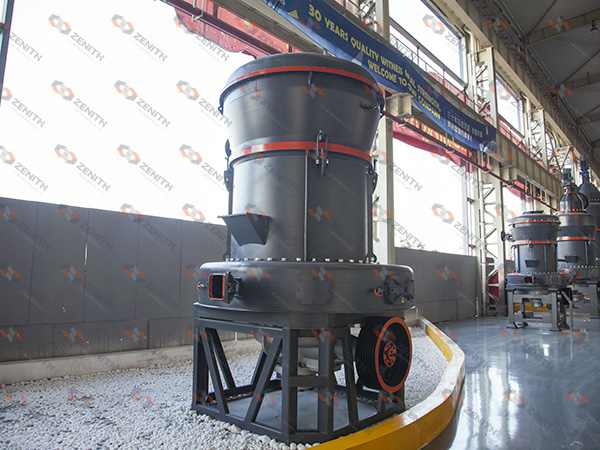
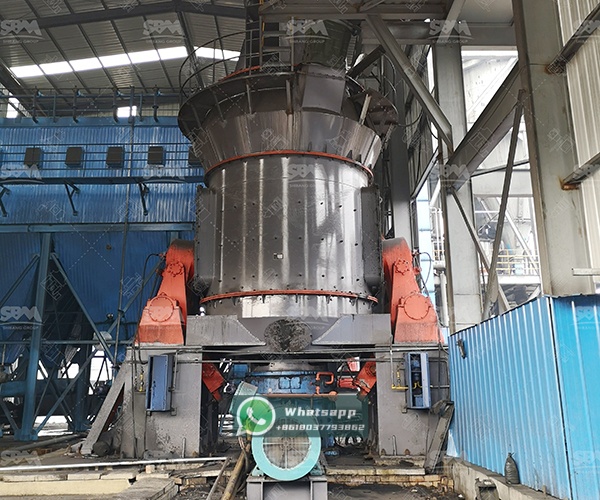
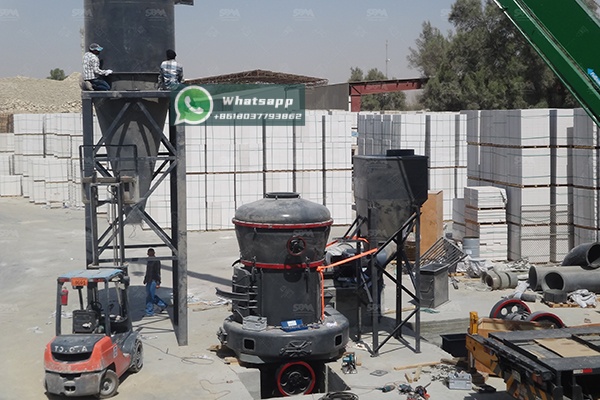
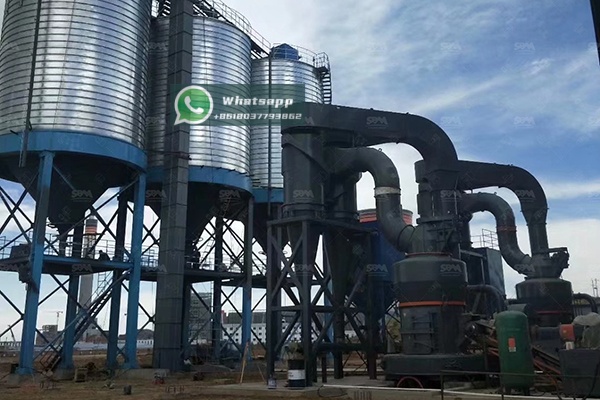
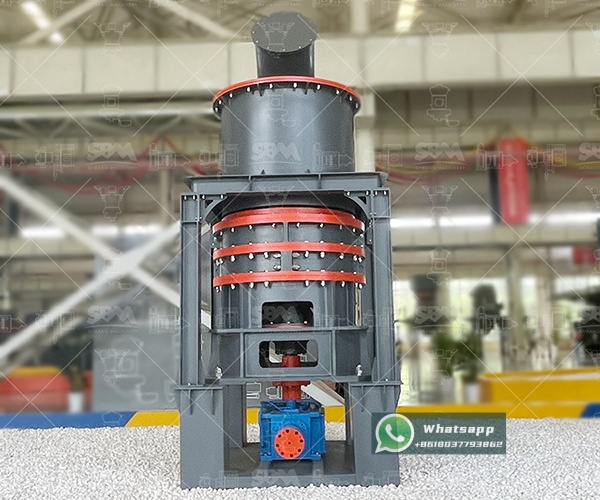
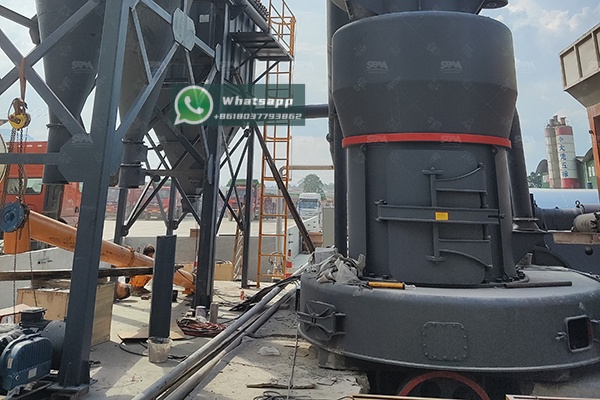
Shanghai Zenith Machinery Co., Ltd. is an excellent manufacturer of ore grinding equipment in China and has made great achievements in the field of ultra-fine powder grinding. The company specializes in the research, development, and production of industrial powder grinding equipment and related devices. Its product range includes the MTW Trapezium Grinding Mill, Ball Mill, MTM Medium-Speed Grinding Mill, Raymond Mill, LM Vertical Grinding Mill, LUM Ultrafine Vertical Mill, XZM Ultrafine Grinding Mill, and Hammer Mill. For carbon black processing for environmental filtration media in Kenya, two products are particularly suitable: the MTW Trapezium Grinding Mill and the LUM Ultrafine Vertical Mill.
MTW Trapezium Grinding Mill for reliable fine grinding
The MTW Trapezium Grinding Mill is a multiple-patent grinding mill known for its compact structure, long service life, and eco-friendly design. It is suitable for materials with a maximum input size of 50 mm and can produce a final product as fine as 0.038 mm. With capacities from 3 t/h to 45 t/h depending on the model, it offers a flexible solution for small, medium, and large filtration media producers. The MTW110Z, for example, provides a capacity of 3 to 10 t/h with a 55 kW main motor, making it a practical choice for a dedicated carbon black processing line. The MTW series is well suited to de-agglomeration and fine grinding of carbon black feedstock, helping producers obtain a consistent powder for filter media compounds, coatings, and composite structures.
| Model | Max. Feed Size mm | Final Size mm | Capacity t/h | Main Motor kW |
|---|---|---|---|---|
| MTW110 | below 30 | 1.6-0.045 | 3-9 | 55 |
| MTW110Z | below 30 | 1.6-0.045 | 3-10 | 55 |
| MTW138Z | below 35 | 1.6-0.045 | 6-17 | 90 |
| MTW175G | below 40 | 1.6-0.045 | 9.5-25 | 160 |
| MTW215G | below 50 | 1.6-0.045 | 15-45 | 280 |
LUM Ultrafine Vertical Mill for high-performance filtration media
For applications requiring finer and more controlled carbon black powder, the LUM Ultrafine Vertical Mill is an excellent choice. It integrates grinding, drying, classifying, and transportation in a compact footprint. The system is designed to produce a high content of end-fines and features intelligent control for easier maintenance and stable operation. With a final fineness range of D97 5 to 30 micrometres and capacities from 1.6 to 15 t/h, the LUM series can support the production of advanced filtration media where fine dispersion and uniform particle size are essential. The LUM1525 model, with 220 to 250 kW main machine power and a capacity of 1.6 to 11.5 t/h, is a strong option for specialized carbon black processing lines in Kenya.
| Model | Main Machine Power kW | Capacity t/h | Size Distribution D97 micrometre |
|---|---|---|---|
| LUM1525 | 220-250 | 1.6-11.5 | 5-30 |
| LUM1632 | 280-315 | 2.0-13.5 | 5-30 |
| LUM1836 | 355-400 | 2.3-15 | 5-30 |
Designing a carbon black grinding plant in Kenya
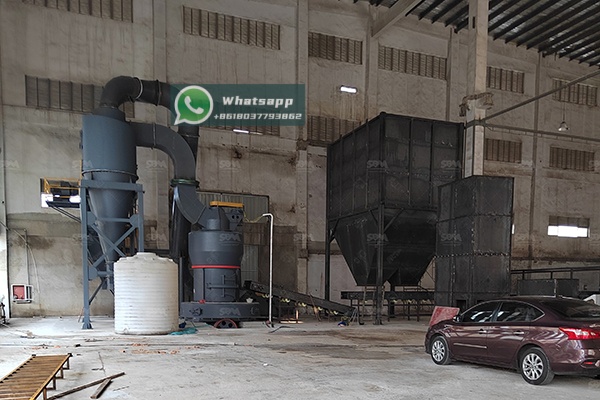
A successful carbon black grinding plant should be designed as an integrated system rather than a single machine. The process typically includes raw material receiving, controlled feeding, metal removal, grinding, classification, dust collection, product storage, and quality control. For filtration media producers, the plant should also include sampling points for particle size analysis and moisture checks. Enclosed conveying and negative-pressure dust collection help protect workers and the surrounding environment. Because carbon black can generate combustible dust, grounding, explosion venting, and proper housekeeping procedures should be included in the plant design.
In Kenya, plant layouts should consider available space, power supply, maintenance access, and future capacity expansion. A compact vertical mill such as the LUM can be attractive where floor space is limited, while the MTW Trapezium Grinding Mill offers a robust solution for producers who need flexible capacity and reliable fine grinding. Shanghai Zenith Machinery can support Kenyan customers with equipment selection, process configuration, and technical guidance. By combining the right mill with proper dust control and quality assurance, local manufacturers can produce carbon black powders that meet the demanding requirements of environmental filtration media.
Quality control and operational best practices
Consistent quality is the foundation of successful carbon black processing. Operators should monitor feed moisture, feed rate, classifier settings, mill current, and product fineness. Regular inspection of grinding elements, classification parts, and filter bags helps prevent unexpected downtime. Product samples should be tested for particle size distribution, dispersion, sieve residue, and moisture. For filtration media applications, close cooperation between the carbon black processor and the filter media manufacturer is valuable because different products may require different fineness and surface characteristics. Training operators in safe dust handling and routine maintenance is also essential for long-term performance.
Conclusion
Kenya’s environmental filtration market offers strong opportunities for manufacturers who can supply consistent, high-quality carbon black powder. The right grinding technology can improve dispersion, support product innovation, reduce waste, and strengthen local supply chains. The MTW Trapezium Grinding Mill and the LUM Ultrafine Vertical Mill from Shanghai Zenith Machinery Co., Ltd. provide practical solutions for fine and ultrafine carbon black processing. With careful plant design, effective dust control, and reliable service support, Kenyan filtration media producers can build efficient and sustainable carbon black grinding operations for the future.
Key Equipment
Want This Solution for Your Project?
Contact us for a customized quotation and technical proposal.
Interested in This Solution?
Send us a message and our engineers will get back to you within 24 hours.