
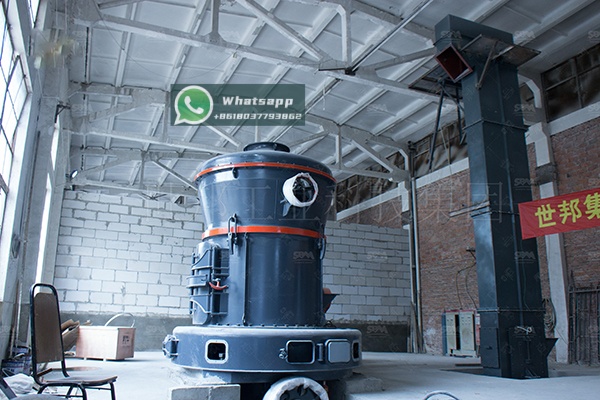
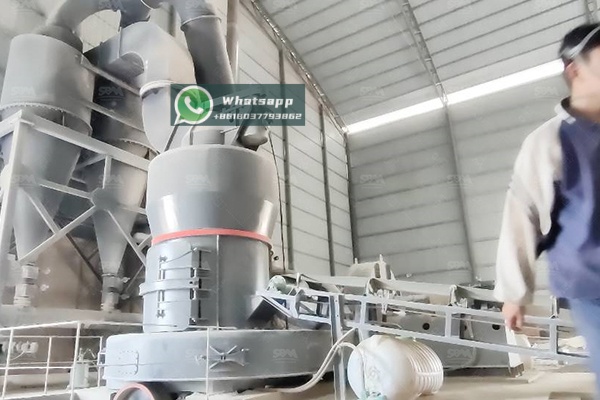
Calcium carbonate grinding mill for food grade powder in India
India’s food, pharmaceutical, nutraceutical, and personal care industries are growing rapidly, creating strong demand for high-purity calcium carbonate powder. Food grade calcium carbonate, also known as E170, is used as a calcium fortifier, anti-caking agent, acidity regulator, and whitening agent in products such as biscuits, dairy, beverages, toothpaste, dietary supplements, and infant formula. To serve this market, Indian manufacturers need grinding systems that can produce fine, consistent, contamination-free powder while keeping energy consumption and operating costs under control. Shanghai Zenith Machinery Co., Ltd. is an excellent manufacturer of ore grinding equipment in China and has made great achievements in the field of ultra-fine powder grinding. This article discusses how to select a calcium carbonate grinding mill for food grade powder in India and recommends two Zenith mills: the LUM Ultrafine Vertical Mill and the XZM Ultrafine Grinding Mill.
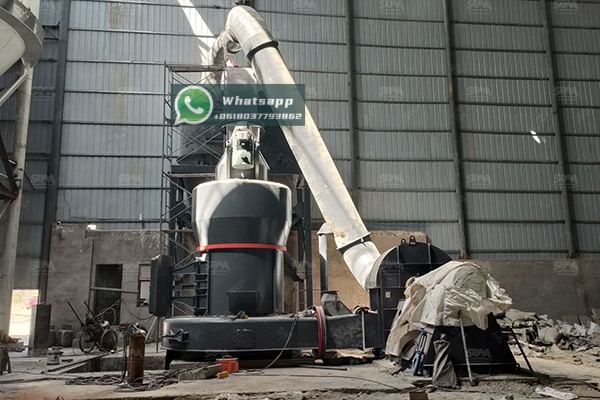
Why Food Grade Calcium Carbonate Is in Strong Demand in India
India has abundant limestone and marble resources, especially in Rajasthan, Gujarat, Madhya Pradesh, Tamil Nadu, Andhra Pradesh, and Karnataka. These resources provide a strong raw material base for ground calcium carbonate. At the same time, India’s middle class is expanding, packaged food consumption is rising, and health awareness is increasing. Calcium-fortified foods and supplements are becoming mainstream. Regulatory oversight by FSSAI and BIS also pushes producers to maintain strict purity, whiteness, and particle size distribution. Food grade calcium carbonate must have low heavy metal content, low acid-insoluble matter, controlled moisture, and no contamination from grinding media. Therefore, the grinding mill is not just a size-reduction machine; it is a critical control point for product safety and brand reputation.
Key Quality Requirements for Food Grade Calcium Carbonate Powder
Food grade calcium carbonate powder usually requires high whiteness, narrow particle size distribution, and fineness from 325 mesh to 2500 mesh. For calcium supplements and pharmaceutical applications, D97 can be 5-30 μm or even finer. The powder must be free from iron contamination, because iron can affect color, taste, and oxidative stability. The grinding system must also minimize dust, avoid cross-contamination, and allow easy cleaning and inspection. In India’s hot and humid climate, the mill should handle moisture variations and maintain stable output. Energy efficiency is another priority, as power costs directly affect competitiveness. A reliable calcium carbonate grinding mill for food grade powder in India should combine fine grinding, classification, dust collection, and material handling in a closed loop.
Grinding Challenges in Food Grade Calcium Carbonate Production
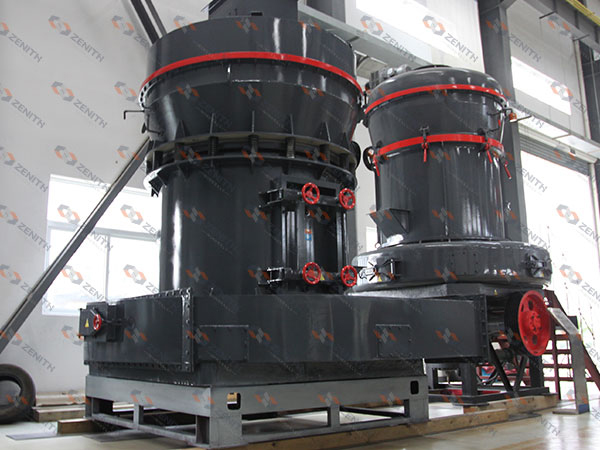
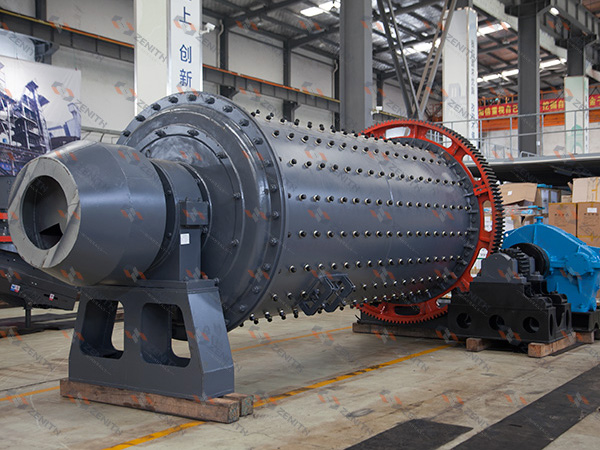
Calcium carbonate is relatively soft, but food grade production still presents challenges. First, fine grinding consumes energy, and excessive heat can alter powder properties. Second, metal wear from grinding parts can introduce contamination. Third, inconsistent particle size can cause settling, caking, or poor dispersion in food formulations. Fourth, dust control is essential for worker safety and product purity. Fifth, the system must be flexible enough to switch between product grades without long downtime. Traditional Raymond mills and ball mills can produce calcium carbonate, but they may have higher energy consumption, larger footprint, or greater contamination risk. Modern ultra-fine vertical mills and ultrafine grinding mills are often better choices for food grade powder.
Recommended Zenith Grinding Mills for Food Grade Calcium Carbonate in India
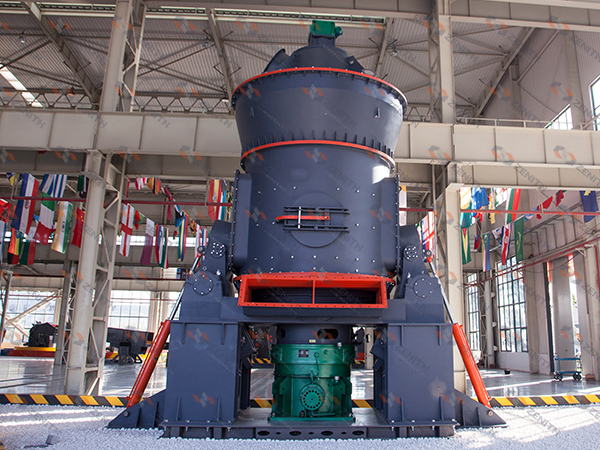
Shanghai Zenith specializes in the research, development, and production of industrial powder grinding equipment. Its main products include MTW Trapezium Grinding Mill, Ball Mill, MTM Medium-Speed Grinding Mill, Raymond Mill, LM Vertical Grinding Mill, LUM Ultrafine Vertical Mill, XZM Ultrafine Grinding Mill, and Hammer Mill. For food grade calcium carbonate in India, we recommend the LUM Ultrafine Vertical Mill and the XZM Ultrafine Grinding Mill. Both can be configured with appropriate wear-resistant linings, high-efficiency classifiers, pulse-jet dust collectors, and closed-loop conveying to support clean production.
1. LUM Ultrafine Vertical Mill
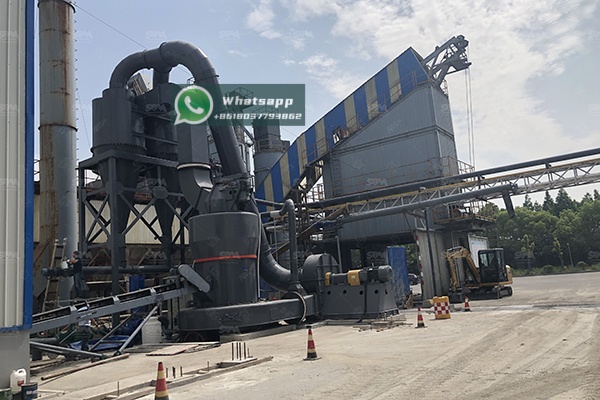
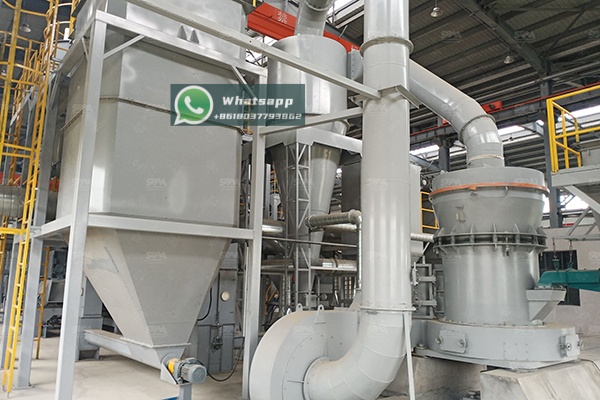
The LUM Ultrafine Vertical Mill integrates grinding, drying, classifying, and transportation in one compact unit. It occupies minimal space and is designed to produce products with high content of end-fines. Its intelligent control system makes operation and maintenance easier. For food grade calcium carbonate, the LUM mill can deliver D97 from 5 to 30 μm, which is suitable for high-grade calcium supplements, functional foods, and premium fillers. Available models include LUM1525 with main machine power 220-250 kW and capacity 1.6-11.5 t/h; LUM1632 with 280-315 kW and capacity 2.0-13.5 t/h; and LUM1836 with 355-400 kW and capacity 2.3-15 t/h. The vertical design reduces noise and vibration, and the negative-pressure operation helps contain dust. When equipped with ceramic or wear-resistant linings and a metal-free internal design, it can reduce iron contamination risk. This makes the LUM Ultrafine Vertical Mill a strong choice for Indian producers targeting fine food grade calcium carbonate powder.
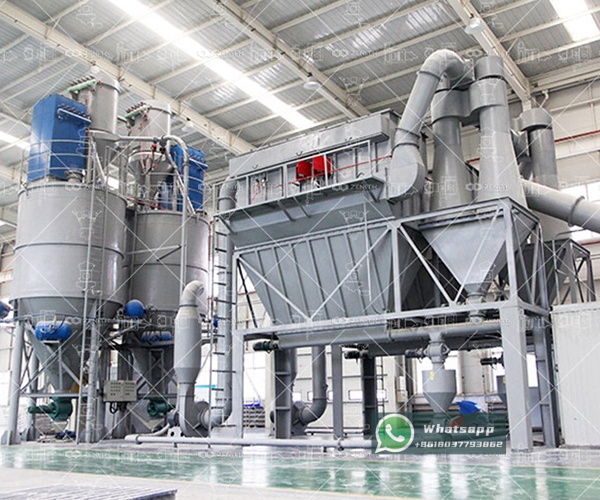
2. XZM Ultrafine Grinding Mill
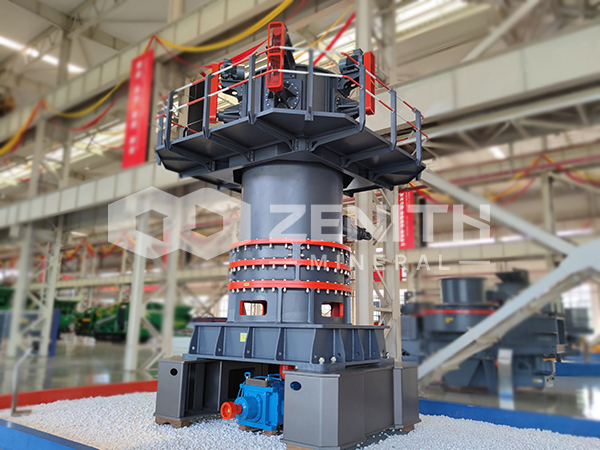
The XZM Ultrafine Grinding Mill is widely used for superfine powder production. It is suitable for grinding soft or medium-hard materials with moisture content below 6%. It can achieve an output fineness of 325-2500 mesh, making it an excellent match for food grade calcium carbonate. The XZM221 model has a working diameter of Φ800 mm, maximum feed size ≤20 mm, final size 325-2500 mesh, output 500-4500 kg/h, and main motor power 75 kW. The larger XZM268 model has a working diameter of Φ1680 mm, maximum feed size ≤20 mm, final size 325-2500 mesh, output 5000-25000 kg/h, and main motor power 315 kW. With an efficient classifier and dust collection system, the XZM mill can produce consistent, fine powder with minimal contamination. For Indian manufacturers who need high fineness and moderate to high capacity, the XZM Ultrafine Grinding Mill is a reliable and economically attractive solution.
How Shanghai Zenith Supports Food Grade Calcium Carbonate Projects
Shanghai Zenith provides not only grinding mills but also complete powder processing solutions. The company can design the crushing, grinding, classification, dust collection, storage, and packing stages according to the raw material properties and target product specifications. For food grade applications, Zenith can advise on contamination control, wear material selection, and cleaning procedures. The company also offers technical support, installation guidance, commissioning, and spare parts service. For Indian customers, local service networks and prompt technical response are important. Zenith’s experience in ultra-fine powder grinding helps customers reduce trial-and-error and achieve stable production faster.
Installation, Operation and Quality Control
To produce food grade calcium carbonate successfully, the grinding plant should be installed in a clean, dry, and well-ventilated area. Raw limestone or marble should be washed, dried, and tested for heavy metals before grinding. The mill should be operated under negative pressure, and the dust collector should use food-grade compatible filter media. Regular inspection of grinding parts is necessary to prevent wear contamination. Product samples should be tested for fineness, whiteness, moisture, heavy metals, and microbial limits. The LUM and XZM mills can be integrated with automatic control systems to monitor motor load, airflow, classifier speed, and product fineness. This helps maintain consistent quality and reduces operator error.
Conclusion
India’s food grade calcium carbonate market offers significant opportunities for producers who can deliver high-purity, fine, and consistent powder. Choosing the right grinding mill is essential for product quality, energy efficiency, and regulatory compliance. Shanghai Zenith Machinery Co., Ltd. offers proven ultra-fine grinding technology and a wide range of equipment. For food grade calcium carbonate powder in India, the LUM Ultrafine Vertical Mill and the XZM Ultrafine Grinding Mill are two highly recommended options. They combine fine grinding, classification, dust control, and intelligent operation, helping Indian manufacturers meet the demands of the food, pharmaceutical, and nutraceutical industries. With proper configuration and quality control, these mills can support profitable and sustainable food grade calcium carbonate production.
Key Equipment
Want This Solution for Your Project?
Contact us for a customized quotation and technical proposal.
Interested in This Solution?
Send us a message and our engineers will get back to you within 24 hours.