
Introduction
Malaysia’s industrial mineral processing sector has witnessed steady growth, driven by the rising demand for high-quality calcium carbonate (calcite) powder in applications such as paints, plastics, rubber, paper, and construction materials. Among the various fineness grades, 325 mesh (equivalent to 44 microns) is one of the most commonly specified specifications for fillers and extenders. To achieve consistent production of 325 mesh calcite powder with high efficiency and low operating cost, selecting the right grinding mill is crucial.
Shanghai Zenith Machinery Co., Ltd., a leading Chinese manufacturer of ore grinding equipment with decades of experience, has developed a comprehensive range of mills tailored to meet the diverse needs of the mineral processing industry. From medium-speed mills to ultra-fine vertical mills, Zenith’s solutions are recognized for their robust construction, energy efficiency, and advanced powder classification technology. This article provides an in-depth analysis of calcite powder grinding for 325 mesh applications in Malaysia and recommends optimal mill configurations based on Zenith’s product portfolio.
Understanding Calcite and Its Applications
Calcite is a naturally occurring calcium carbonate (CaCO₃) mineral with a Mohs hardness of 3. It is widely distributed and relatively easy to grind. When processed to 325 mesh, calcite powder exhibits excellent whiteness, chemical stability, and low oil absorption, making it an ideal filler in:
- Paints and Coatings: Improves gloss, opacity, and durability.
- Plastics and PVC: Enhances stiffness and reduces production costs.
- Rubber: Acts as a reinforcing agent and volume extender.
- Paper: Increases brightness and smoothness.
- Construction: Used in adhesives, sealants, and dry mortar.
Malaysia, with its abundant limestone reserves and strategic location in Southeast Asia, is a key producer and exporter of ground calcium carbonate. The 325 mesh product is particularly popular in the local paint and plastic industries, where consistent particle size distribution and high purity are mandatory.
Why 325 Mesh Matters
325 mesh corresponds to a particle size where 95% or more of the particles pass through a standard 325-mesh sieve (opening 44 microns). This fineness offers a balance between processing cost and performance. Coarser than 400 or 600 mesh, 325 mesh requires less energy to produce but still provides sufficient surface area for filler applications. For Malaysian end users, a mill that can reliably output 325 mesh with low oversize content is essential to maintain product quality and reduce downstream rejection.
Factors such as moisture content of the feed (usually below 6%), hardness, and abrasiveness must be considered when selecting a grinding mill. Calcite is relatively soft, so wear rates are moderate, but the mill’s classification system must be precise to achieve the target fineness without excessive recirculation.
Choosing the Right Grinding Mill for Calcite
Several mill types are capable of producing 325 mesh calcite powder. However, the choice depends on required capacity, initial investment, power consumption, and space constraints. Shanghai Zenith offers a range of mills that are well-suited for calcite grinding, including:
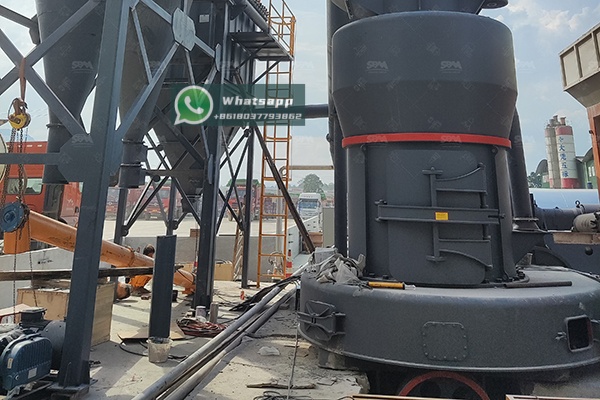
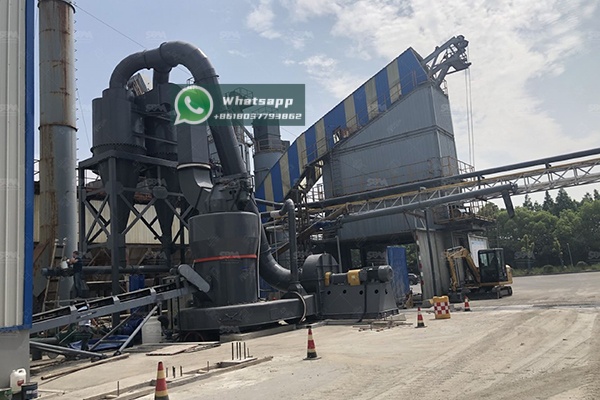
- MTW Trapezium Grinding Mill – A versatile mill with multiple patents, suitable for medium to large capacities.
- XZM Ultrafine Grinding Mill – Designed for super-fine powder production, ideal when a narrow particle size distribution is needed.
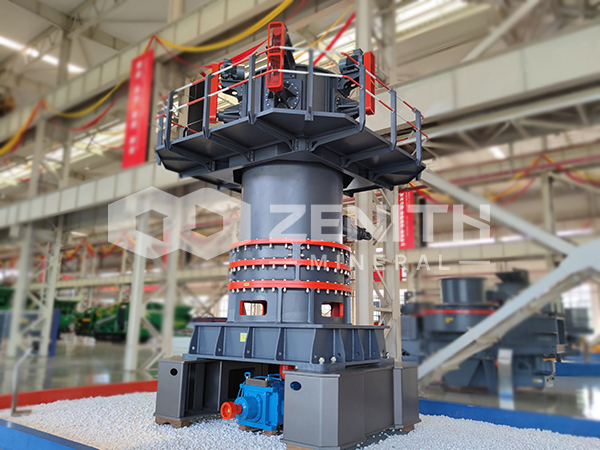
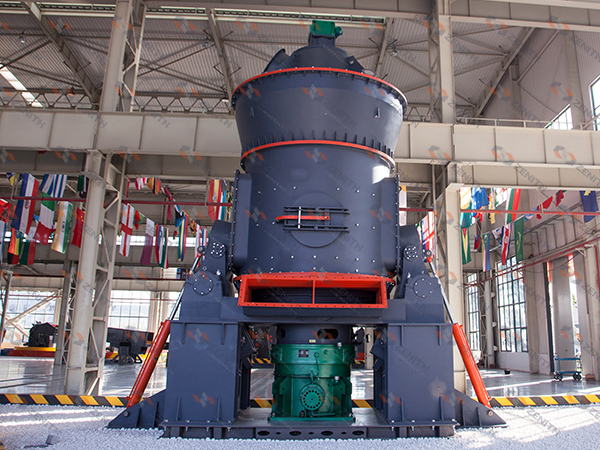
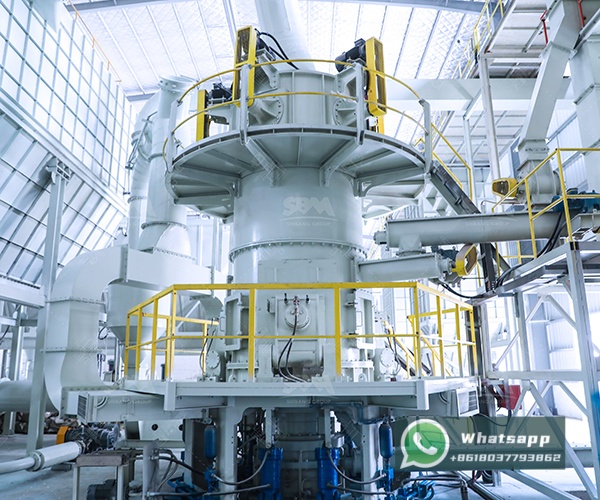
- LM Vertical Grinding Mill – Integrates grinding, drying, and classification in one unit, offering high efficiency and small footprint.
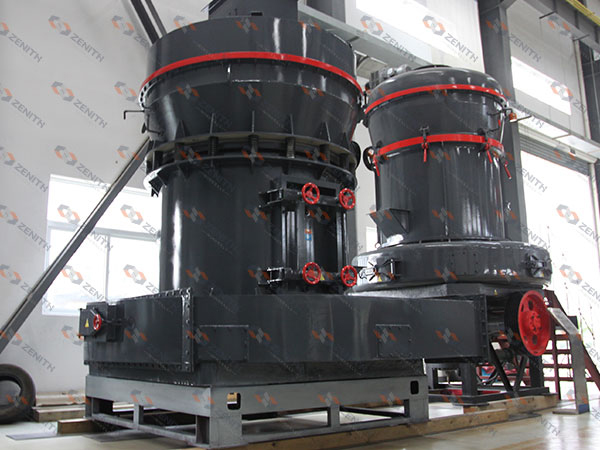
- Raymond Mill – A classic solution for small to medium throughput.
For typical 325 mesh production, the MTW Trapezium Mill and XZM Ultrafine Mill stand out as the most recommended options due to their proven performance in calcite applications worldwide.
Recommended Solutions from Shanghai Zenith
1. MTW Trapezium Grinding Mill
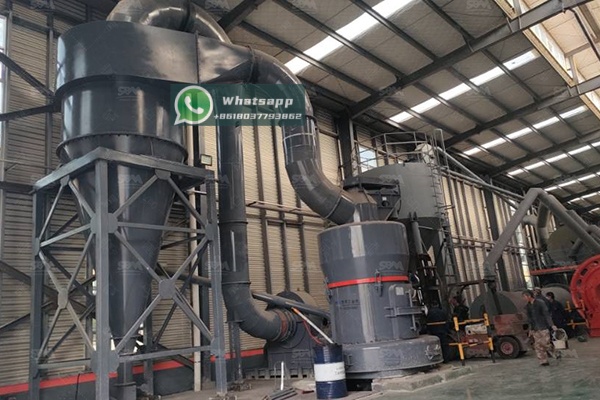
The MTW series is an advanced grinding mill that incorporates multiple patented technologies. Its trapezium-shaped grinding rollers and rings improve grinding efficiency by creating a multi-layer material bed. The mill features an integrated classifier that can produce fineness ranging from 1.6 mm down to 0.038 mm (400 mesh). For 325 mesh (44 microns), the MTW110, MTW138, or MTW175 models are ideal depending on capacity requirements.
Key advantages for calcite grinding:
- Compact structure and long service life of wear parts.
- Low energy consumption compared to ball mills.
- Eco-friendly operation with low noise and dust emissions.
- Easy adjustment of product fineness via the classifier speed.
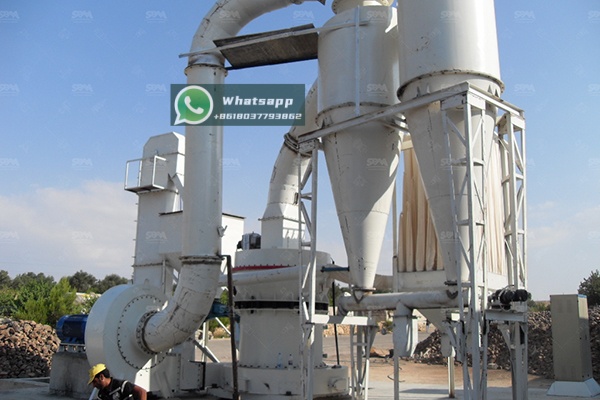
For a typical Malaysian calcite plant with a capacity of 5–15 tons per hour, the MTW138Z or MTW175G model equipped with a high-efficiency classifier can consistently produce 325 mesh product with a D97 of about 44 microns. The main motor power for MTW138Z is 90–110 kW, while MTW175G requires 160 kW, both reasonable for medium-scale operations.
2. XZM Ultrafine Grinding Mill
When the requirement is for a super-fine product with a tight particle size distribution, the XZM Ultrafine Mill excels. It can grind calcite to 325–2500 mesh (down to 5 microns). For 325 mesh, the XZM221 or XZM268 models are highly efficient. The mill employs a multi-head classifier and a high-speed grinding disc to achieve ultra-fine product with minimal oversize.
Key advantages:
- Capable of producing very fine powder with high specific surface area.
- Wear-resistant materials extend operational life.
- Intelligent PLC control system for automated operation.
- Suitable for soft to medium-hard materials like calcite (Mohs 3).
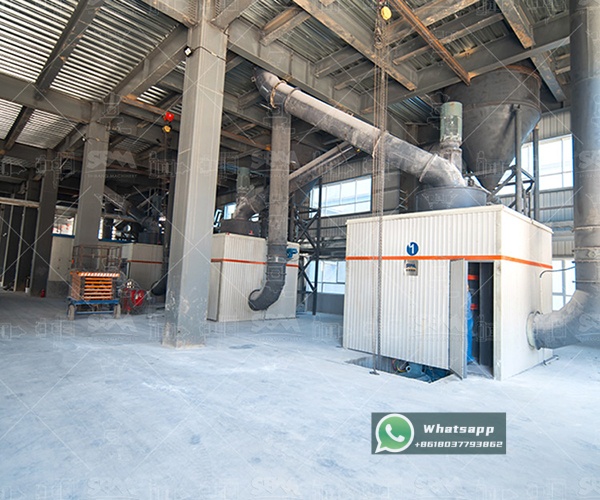
For smaller capacity (500–4500 kg/h), the XZM221 with 75 kW main motor is an excellent choice. For larger productions (up to 25 t/h), the XZM268 (315 kW) can handle the task. Many calcite processors in Malaysia choose the XZM series when they also plan to produce finer grades (e.g., 600 or 1250 mesh) using the same equipment with simple classifier adjustments.
Case Study: Calcite Processing in Malaysia
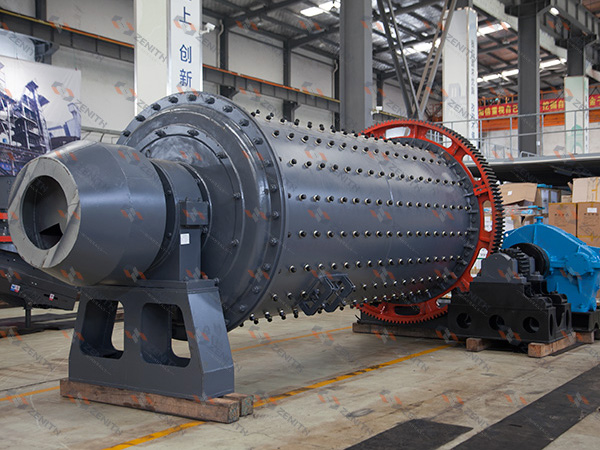
A hypothetical calcite grinding plant in Perak, Malaysia, with an annual throughput of 30,000 tons of 325 mesh powder, would benefit from a single MTW175G mill. The plant receives calcite lumps with a maximum feed size of 40 mm and moisture below 5%. After primary crushing, the MTW175G grinds the material to a D97 of 44 microns at a capacity of 12–15 t/h. The total installed power is around 360 kW (including fan and auxiliary). Compared to a ball mill system, the MTW mill reduces energy consumption by 30–40% and requires less floor space.
Alternatively, if the plant plans to diversify into finer products later, an XZM268 could be chosen, offering flexibility to produce both 325 mesh and 600 mesh with simple classifier speed changes.
Conclusion
For Malaysian calcite processors targeting 325 mesh powder, Shanghai Zenith’s MTW Trapezium Grinding Mill and XZM Ultrafine Grinding Mill represent the most reliable and cost-effective solutions. Both machines are designed to deliver consistent fineness, high throughput, and low operating costs. With Zenith’s strong after-sales support and availability of spare parts in Southeast Asia, Malaysian customers can achieve excellent return on investment.
To discuss your specific calcite grinding requirements or to request a quotation, please contact Shanghai Zenith Machinery Co., Ltd. Our engineering team is ready to help you select the optimal mill configuration for 325 mesh production.
Key Equipment
Want This Solution for Your Project?
Contact us for a customized quotation and technical proposal.
Interested in This Solution?
Send us a message and our engineers will get back to you within 24 hours.