
The Importance of Bentonite in Drilling Mud Preparation
Drilling mud, commonly called drilling fluid, is a vital element in the drilling of oil, gas, geothermal, and water wells. The fluid is continuously pumped down the drill string, through the drill bit, and back to the surface through the annular space. It lifts rock cuttings, cools and lubricates the bit, controls formation pressure, and deposits a thin, low-permeability filter cake on the borehole wall. Bentonite is the workhorse clay mineral in most water-based mud systems. When high-quality sodium bentonite is hydrated, its montmorillonite platelets swell and form a thixotropic gel network. The mud behaves like a liquid during pumping but returns to a gel state when circulation stops.
Those rheological properties are strongly dependent on the particle characteristics of the bentonite powder. If the bentonite powder is too coarse, contains excessive grit, or has an inconsistent particle size distribution, hydration will be incomplete. The drilling mud may lose viscosity, exhibit poor filtration control, or produce a thick and brittle filter cake. That can lead to stuck pipe, lost circulation, or wellbore instability. This is why the bentonite mill is not merely a piece of mineral processing equipment. For drilling mud preparation, the mill must deliver a fine, uniform, and easily dispersed bentonite powder that can satisfy international oilfield specifications such as API 13A.
The Nigerian Drilling Market and Local Bentonite Opportunity
Nigeria is one of Africa’s largest crude oil producing countries, with hundreds of active oil wells and continuous development drilling across the Niger Delta and surrounding basins. The country also has an expanding gas industry, geotechnical construction sector, and water-well drilling market. All of these industries demand reliable drilling fluid additives. Bentonite is one of the most consumed industrial minerals in drilling operations, and Nigerian drilling programs have traditionally relied heavily on imported bentonite from India, China, Turkey, and the United States.
At the same time, Nigeria possesses substantial natural bentonite and bentonitic clay deposits. According to various geological surveys and studies, bentonitic clays are present in states such as Borno, Adamawa, Gombe, Taraba, Yobe, and parts of the Benue Trough. But most local deposits are calcium bentonite rather than sodium bentonite. Calcium bentonite has a much lower swelling capacity than sodium bentonite. To make drilling-grade bentonite, local operators must first treat the clay with sodium carbonate, promote sodium activation, and then dry, grind, and classify the material. The final milling stage is therefore indispensable. A dedicated bentonite mill in Nigeria can convert abundant low-cost local clay into a high-value product for drilling mud preparation, reducing import costs and creating local jobs.

Core Grinding Process for Drilling-Grade Bentonite
Bentonite beneficiation begins with mining and weathering. Raw bentonite is often excavated from open-pit deposits with a high natural moisture content. The material is usually sun-dried or processed through a rotary dryer to lower moisture before milling. Large lumps are then crushed in a primary crusher into smaller particles. For many grinding systems, the mill feed size should be controlled at approximately 30 to 50 millimetres or less. From that point, the crushed clay is fed into a pulverizing machine where rollers or grinding tables press the bentonite into fine powder.
The grinding stage is also where material classification takes place. Air classifiers inside the mill separate fine particles from oversize particles. The qualified fine powder leaves the grinding chamber with the air stream, while oversized particles return to the grinding zone for further size reduction. This continuous grinding and classifying loop is essential for producing powders with reproducible fineness and surface area. For drilling mud applications, bentonite is generally processed to pass a 75 micron sieve, commonly referred to as 200 mesh, while much of the powder should be considerably finer. Some operators request very fine powders, but extreme ultrafine grinding is not always necessary for standard water-based mud systems. The important point is that the milling circuit must be stable, flexible, and robust enough to handle clay materials that can be sticky when moisture remains above the recommended level.
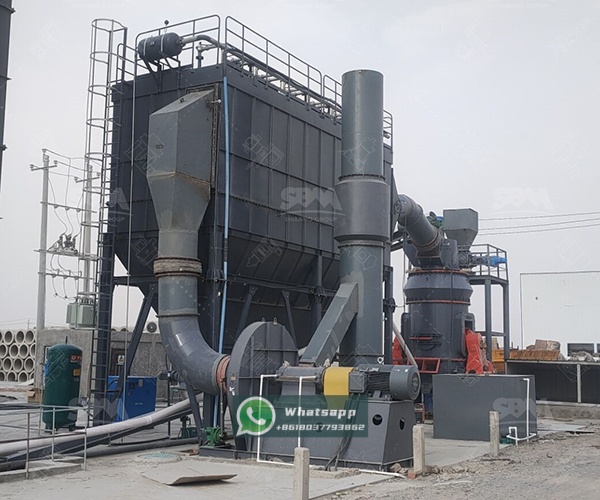
In the humid tropical climate of Nigeria, moisture control is particularly important. Good mill selection and plant layout help avoid blinding of filters, poor conveying, and clogging in the pulverizer. In addition, the bentonite mill should be integrated with a suitable dust collection and material conveying system so that the final product remains dry and consistent in storage silos or packing lines.
Recommended Bentonite Grinding Mills by Shanghai Zenith Machinery
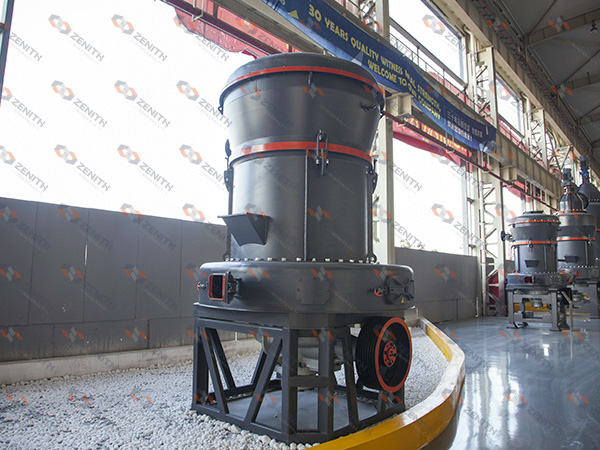
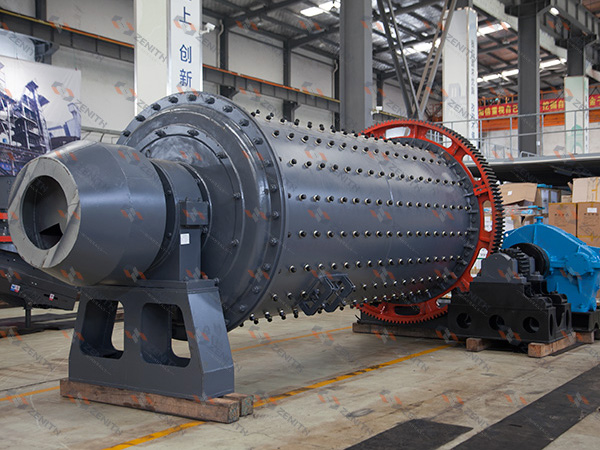
Shanghai Zenith Machinery Co., Ltd. is an excellent manufacturer of ore grinding equipment in China. The company specializes in the research, development, and production of industrial powder grinding equipment and has achieved remarkable results in ultra-fine powder processing. Zenith’s product family includes the MTW Trapezium Grinding Mill, MTM Medium-Speed Grinding Mill, Raymond Mill, LM Vertical Grinding Mill, LUM Ultrafine Vertical Mill, XZM Ultrafine Grinding Mill, Hammer Mill, and Ball Mill. For bentonite milling and drilling mud preparation in Nigeria, two machine series are especially relevant.
MTW Trapezium Grinding Mill
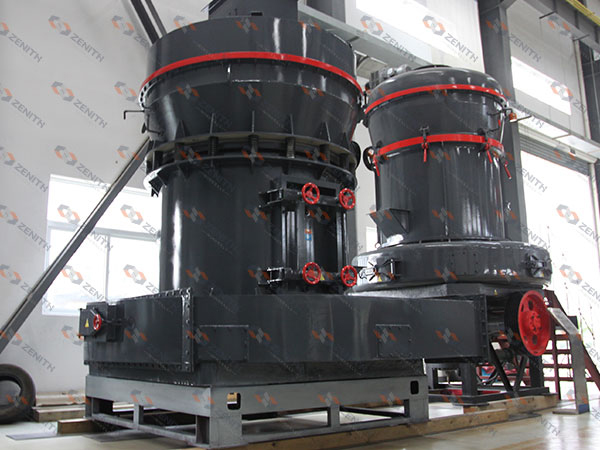
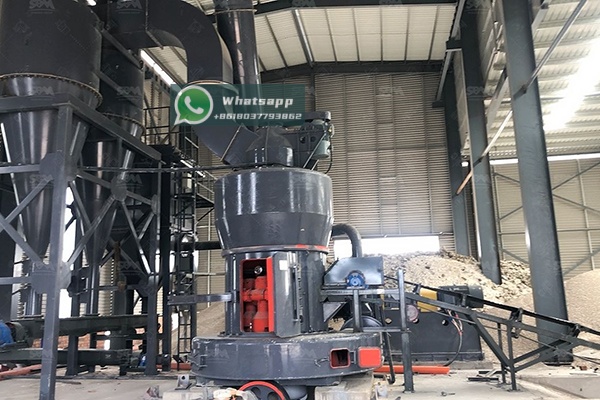
The MTW Trapezium Grinding Mill is one of Zenith’s most popular advanced grinding systems. It is a multi-patent mill appreciated for its compact structure, long service life, environmental performance, and high grinding efficiency. The trapezium-shaped rollers and grinding ring increase the effective grinding surface and improve output. The mill also has an integrated air classifier, so the operator can adjust the fineness of the bentonite powder according to the exact requirements of the drilling mud formulation.
| MTW Model | Max. Feed Size | Final Powder Size | Capacity | Main Motor Power |
|---|---|---|---|---|
| MTW110Z | <30 mm | 1.6-0.045 mm | 3-10 t/h | 55 kW |
| MTW175G | <40 mm | 1.6-0.045 mm | 9.5-25 t/h | 160 kW |
| MTW215G | <50 mm | 1.6-0.045 mm | 15-45 t/h | 280 kW |
For a small or medium Nigerian bentonite plant, the MTW110Z can produce 3 to 10 tonnes per hour, which is enough to serve a regional drilling fluids supply base. For a centralised bentonite beneficiation plant supplying multiple drilling companies, the MTW175G offers a practical capacity range of 9.5 to 25 tonnes per hour. Large mining and petroleum service companies may select the MTW215G, which can produce 15 to 45 tonnes per hour when continuous feed and adequate ancillary equipment are supplied. Because the MTW mill can grind dry bentonite from a maximum feed size of 30 to 50 mm, it reduces the burden on the upstream crusher and simplifies the entire plant layout.

LM Vertical Grinding Mill
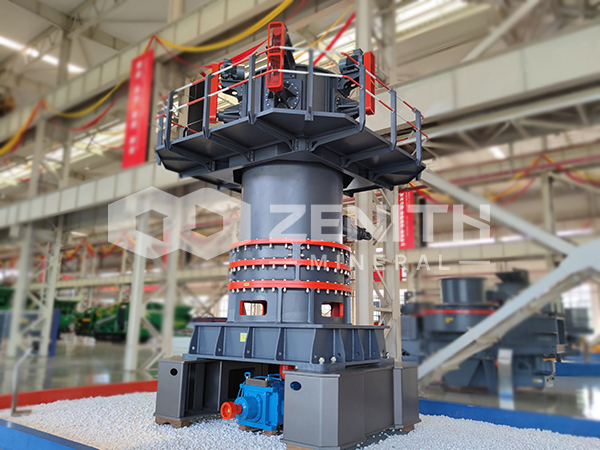
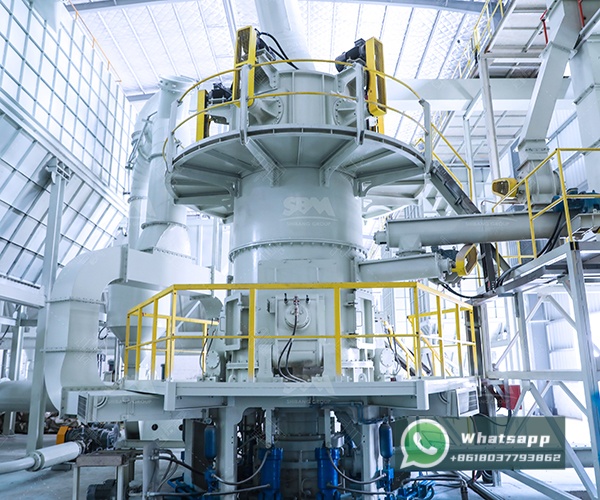
For projects where the raw bentonite has a higher moisture content or where the site requires fewer separate processing units, Shanghai Zenith recommends the LM Vertical Grinding Mill. The LM vertical mill integrates crushing, grinding, powder selection, drying, and material conveying into one unit. This integrated design is especially valuable in a Nigerian bentonite project because it can lower civil engineering cost, reduce the material footprint, and simplify the operation of the complete bentonite milling line.
The LM130K vertical mill, for example, has a grinding table diameter of 1300 mm, can receive material smaller than 38 mm, and offers a capacity range of 10 to 28 tonnes per hour. The output fineness range is 170 to 40 microns, which makes it suitable for a broad range of drilling mud specifications. For larger operations, the LM190K vertical mill accepts material below 45 mm and produces 23 to 68 tonnes per hour. This model is a serious option for a large commercial bentonite plant intended to replace imports in the Nigerian market. The vertical mill also has a smaller occupational area than a traditional multi-machine grinding plant, which is advantageous at sites where land is costly or limited.
Conclusion
The Nigerian drilling industry requires a reliable, locally produced supply of bentonite powder that is suitable for mud systems. Establishing a professional bentonite mill is an important step toward that goal. It is not simply about reducing particle size; it is about producing an engineered powder that hydrates quickly, controls mud rheology, and meets oil and gas industry standards. Shanghai Zenith Machinery offers proven milling technologies that can handle the unique characteristics of Nigerian bentonite deposits. With the MTW trapezium grinding mill and LM vertical grinding mill, companies in Nigeria can build robust bentonite processing lines with attractive capacity, energy efficiency, and product consistency. By selecting Zenith equipment, Nigerian mineral processors will be better positioned to transform local clay resources into a valuable drilling mud material and serve the country’s petroleum industry with greater independence than ever before.
Key Equipment
Want This Solution for Your Project?
Contact us for a customized quotation and technical proposal.
Interested in This Solution?
Send us a message and our engineers will get back to you within 24 hours.