Introduction to Basalt Processing in South Africa
South Africa’s construction industry has been experiencing steady growth, driven by urbanization, infrastructure development, and housing projects. Basalt, a hard, dense, and durable volcanic rock, is widely used as a building material in the form of crushed stone, concrete aggregate, asphalt pavement, and even as a raw material for ultra-fine powder in high-performance coatings and plastics. Its high compressive strength and excellent wear resistance make it an ideal choice for road construction, railway ballast, and concrete production. However, processing basalt into different particle sizes—ranging from coarse aggregates to micro-fine powders—requires efficient and reliable milling equipment. This article explores the design of a state-of-the-art basalt milling line tailored for South African building material manufacturers, highlighting key equipment from Shanghai Zenith Machinery Co., Ltd., a leading Chinese manufacturer of ore grinding equipment.
Characteristics of Basalt and Milling Challenges
Basalt typically has a Mohs hardness of 6 to 7, making it one of the hardest materials to grind. Its high silica content (45-55%) and abrasive nature place significant demands on grinding equipment, requiring wear-resistant parts and robust construction. Traditional impact crushers and ball mills often suffer from high energy consumption and frequent part replacement when processing basalt. Therefore, a modern milling line must integrate advanced grinding technologies that balance throughput, particle fineness, and operational cost. The typical product specifications for South African building materials include: coarse aggregates (5-20 mm) for concrete, fine sand (0-5 mm) for mortars, and ultra-fine powder (200-600 mesh) for mineral fillers and asphalt modifiers.
Recommended Basalt Milling Process Flow
A complete basalt milling line usually consists of three stages: primary crushing, secondary crushing, and grinding. For coarse powder and sand production, a hammer mill or impact crusher can be used after the jaw crusher. For fine and ultra-fine powder, vertical roller mills or trapezium mills are preferred. The following is a typical process flow:
- Stage 1 – Primary Crushing: Basalt boulders (up to 800 mm) are fed into a jaw crusher to reduce size to <100 mm.
- Stage 2 – Secondary Crushing: A cone crusher further reduces the material to <30 mm.
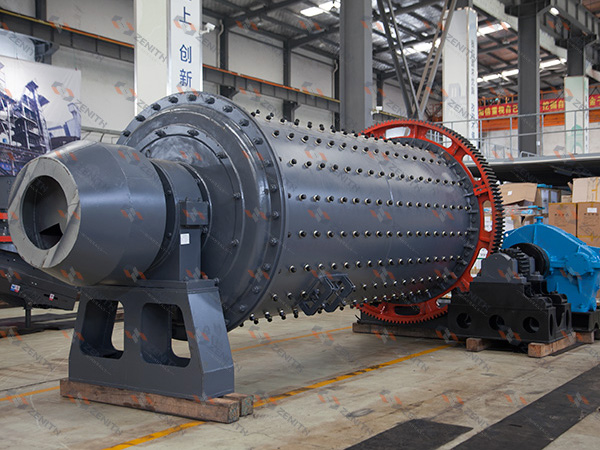
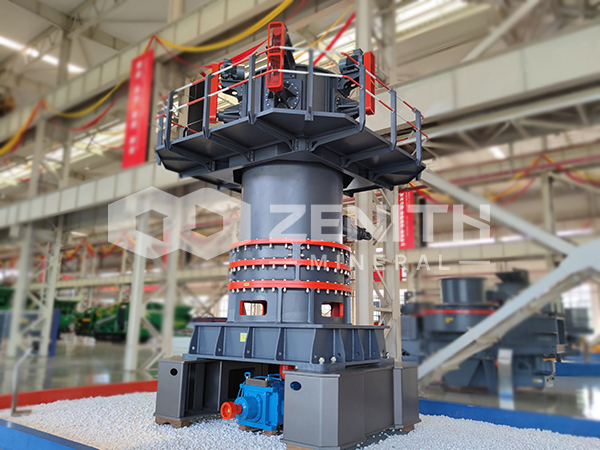
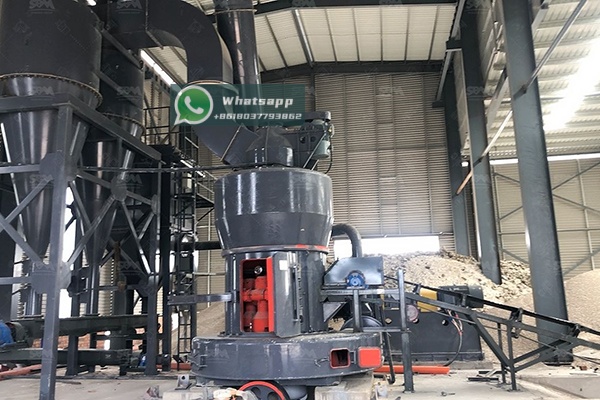
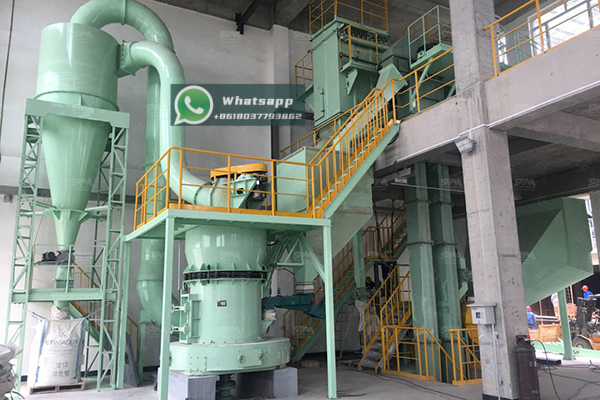
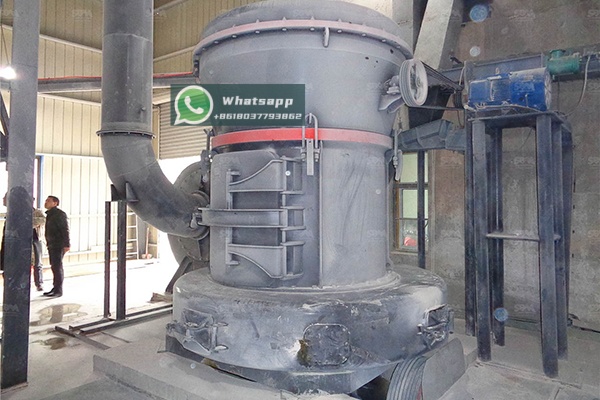
- Stage 3 – Grinding: The crushed basalt is conveyed to a grinding mill for final size reduction. For building materials, the most versatile equipment is the MTW Trapezium Grinding Mill or the LM Vertical Grinding Mill, both of which are manufactured by Shanghai Zenith and excel in processing hard materials.
Equipment Selection: MTW Trapezium Grinding Mill
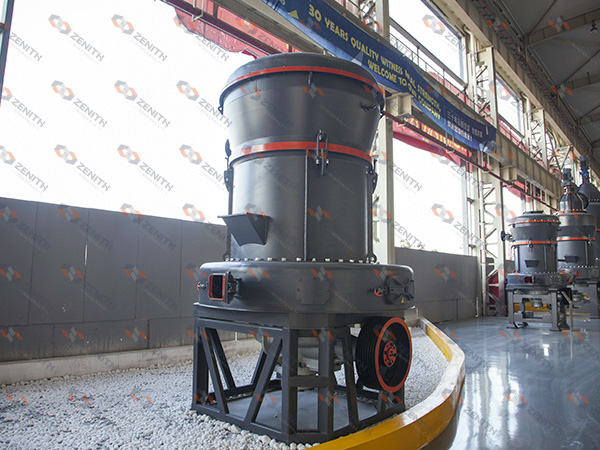
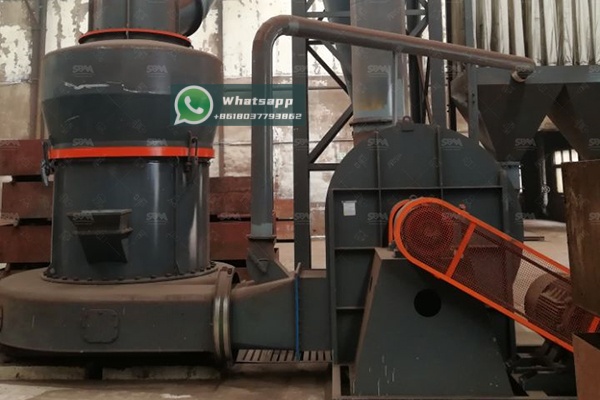
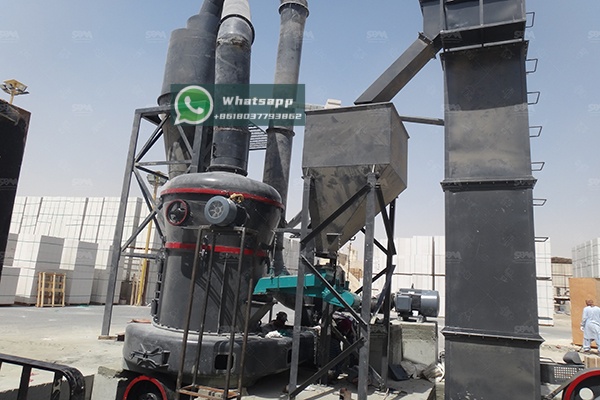
Shanghai Zenith’s MTW Trapezium Grinding Mill is a multi-patented grinding machine known for its compact structure, long service life, and eco-friendly design. It is particularly suitable for processing basalt with a maximum feed size of 50 mm and can produce a final product as fine as 0.038 mm (400 mesh). The trapezoidal grinding ring and roller design increase grinding efficiency and reduce energy consumption. For a typical basalt milling line targeting a capacity of 10-20 tons per hour of fine powder (200 mesh), the MTW138Z or MTW175G model is an excellent choice. Key parameters include:
| Model | Max. Feed Size (mm) | Final Size (mm) | Capacity (t/h) | Main Motor (kW) |
|---|---|---|---|---|
| MTW138Z | 35 | 1.6 – 0.045 | 6 – 17 | 90 |
| MTW175G | 40 | 1.6 – 0.045 | 9.5 – 25 | 160 |
With its internal thin oil lubrication system and plasma powder spraying technology for the reducer, the MTW mill ensures stable operation even under the severe abrasive conditions of basalt grinding. It is recommended for South African customers who need a flexible, low-maintenance solution for both fine and medium-fine products.
Equipment Selection: LM Vertical Grinding Mill
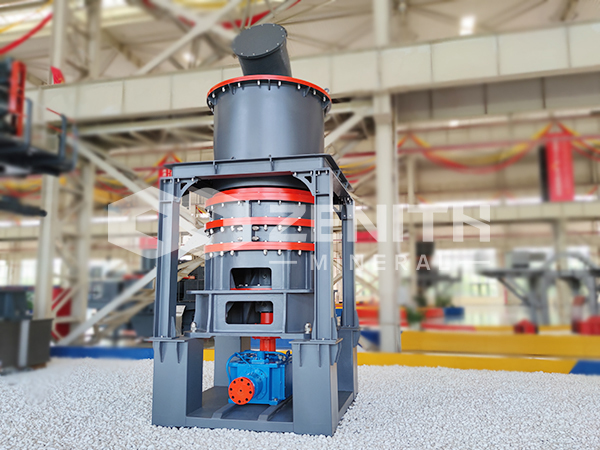
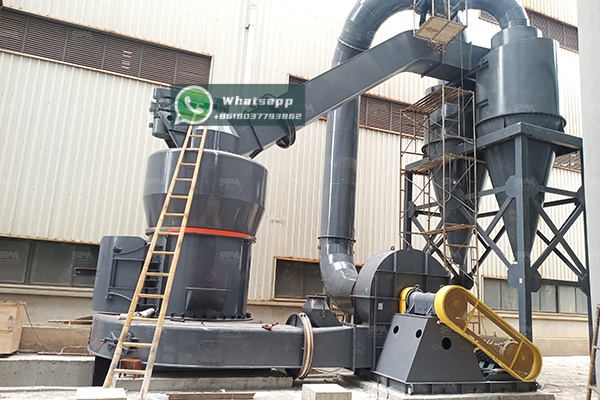
For larger-scale basalt milling lines or when a very fine product (325-600 mesh) is required, the LM Vertical Grinding Mill from Shanghai Zenith is the ideal solution. This mill integrates crushing, grinding, drying, classifying, and conveying into a single unit, drastically reducing the footprint and energy consumption. The grinding rollers and the grinding table are made of high-chrome wear-resistant materials, providing extended service life when processing basalt. The LM190K model, for instance, has a plate diameter of 1900 mm and can handle a feed size up to 45 mm, producing a final fineness of 170-40 μm with a capacity of 23-68 t/h. This makes it perfect for large-scale concrete admixture or road asphalt production.
| Model | Plate Diameter (mm) | Capacity (t/h) | Output Fineness (μm) | Max Feed (mm) | Main Motor (kW) |
|---|---|---|---|---|---|
| LM130K | 1300 | 10 – 28 | 170 – 40 | 38 | 200 |
| LM190K | 1900 | 23 – 68 | 170 – 40 | 45 | 500 |
Additionally, the LM Vertical Mill features an intelligent PLC control system that automatically adjusts the grinding pressure and separator speed to maintain consistent product quality. This is particularly valuable for South African operations where skilled labor may be limited, and uptime is critical.
Benefits of a Dedicated Basalt Milling Line with Zenith Equipment
Investing in a basalt milling line designed by Shanghai Zenith offers several advantages for South African building material producers:
- High Wear Resistance: Both the MTW and LM mills are built with wear-resistant components, reducing downtime and maintenance costs associated with basalt’s abrasive nature.
- Energy Efficiency: The vertical roller mill technology reduces energy consumption by 30-50% compared to traditional ball mills, lowering the overall operating cost.
- Product Versatility: By adjusting the classifier speed and air volume, the same line can produce coarse sand (0-3 mm), fine powder (200 mesh), or ultra-fine powder (600 mesh) to meet diverse market demands.
- Eco-Friendly Operation: The enclosed system with bag filters ensures low dust emission, conforming to South Africa’s environmental regulations.
- Local Support: Shanghai Zenith has a strong after-sales network and provides on-site commissioning, training, and spare parts supply for African customers.
Case Study: Hypothetical Line for Johannesburg Concrete Plant
Imagine a concrete plant in Johannesburg requiring 15 tons per hour of basalt powder (200 mesh) for high-strength concrete admixture. The recommended configuration would be: a jaw crusher (PE600×900) → cone crusher (HPT300) → vibrating screen → MTW175G Trapezium Mill (capacity 9.5-25 t/h). The MTW175G can easily handle 15 t/h with a main motor of 160 kW, producing a consistent -200 mesh powder. If the same plant later expands to produce ultra-fine basalt powder for asphalt modification, an LM130K Vertical Mill can be added in parallel for 10-28 t/h output at 40-170 μm. The flexibility of Zenith’s product range allows seamless integration.
Conclusion
Basalt milling for South African building materials is a promising business opportunity, but success depends on choosing the right grinding equipment. Shanghai Zenith Machinery Co., Ltd. offers proven solutions with the MTW Trapezium Grinding Mill and LM Vertical Grinding Mill, both of which are engineered to handle the toughest abrasive materials while delivering high capacity, low operating costs, and fine product quality. By adopting a well-designed milling line, South African manufacturers can turn local basalt resources into high-value construction products, contributing to the nation’s infrastructure development. For a customized basalt milling solution, contact Zenith’s expert team to discuss your specific requirements.
Key Equipment
Want This Solution for Your Project?
Contact us for a customized quotation and technical proposal.
Interested in This Solution?
Send us a message and our engineers will get back to you within 24 hours.