
Introduction
Odor control is a growing environmental priority in Egypt. Rapid urbanization, expanding municipal solid waste landfills, intensive livestock and poultry operations, wastewater treatment plants, and industrial activities around Cairo, Alexandria, the Nile Delta, and Upper Egypt all generate odorous gases. Ammonia, hydrogen sulfide, mercaptans, volatile organic compounds, and organic acids can affect air quality, public health, and community comfort. Zeolite, especially natural clinoptilolite and synthetic zeolites, has become a practical adsorbent for these applications because of its porous structure, high cation-exchange capacity, and ability to trap small odorous molecules. However, the performance of zeolite in odor control depends strongly on particle size, surface area, moisture content, and purity. This is why efficient zeolite grinding mills are essential for Egyptian producers and environmental service companies.
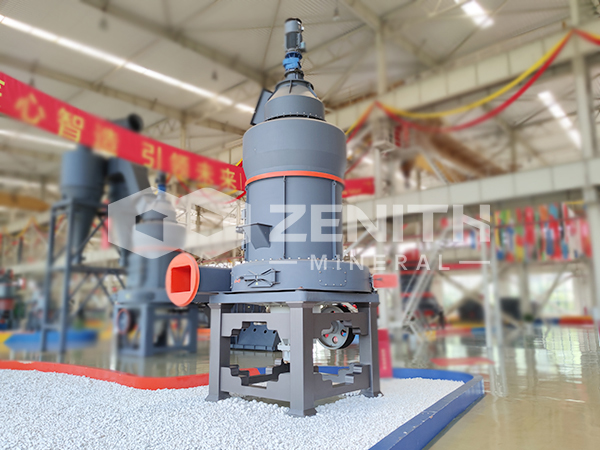
Shanghai Zenith Machinery Co., Ltd. is an excellent manufacturer of ore grinding equipment in China and has made great achievements in the field of ultra-fine powder grinding. The company specializes in the research, development, and production of industrial powder grinding equipment and related devices. For zeolite processing in Egypt, two Zenith mills are particularly suitable: the MTW Trapezium Grinding Mill and the XZM Ultrafine Grinding Mill. This article explains how zeolite is used for odor control, what grinding parameters matter in Egypt, and how these mills can support profitable, reliable production.
Why Zeolite Works for Odor Control
Adsorption and Ion Exchange
Zeolite is an aluminosilicate mineral with a three-dimensional cage-like structure. This structure creates channels and cavities of molecular dimensions. Odorous gases such as ammonia can be adsorbed on active sites or exchanged with cations in the zeolite framework. Hydrogen sulfide and other sulfur compounds can also be captured, especially when zeolite is modified or combined with other media. In wastewater treatment, zeolite powder can reduce ammonia nitrogen and odor intensity. In composting, poultry houses, and landfill covers, zeolite granules or powders adsorb ammonia and moisture, lowering nuisance odors.
Particle Size and Surface Area
The effectiveness of zeolite for odor control is closely linked to its fineness. A finer powder provides more external surface area and shorter diffusion paths, so odors can reach internal pores more quickly. For liquid-phase applications, such as wastewater or sludge treatment, a final product in the range of 45 microns to 5 microns can improve dispersion and reaction speed. For air filtration, bedding, and granular filter media, a coarser product may be preferred to maintain permeability and avoid excessive dust. Therefore, Egyptian zeolite processors often need flexible grinding circuits that can produce both medium-fine and ultra-fine powders. The MTW and XZM mills from Shanghai Zenith can cover these different product ranges.
Zeolite Grinding Requirements in Egypt
Egypt presents specific operating conditions for grinding equipment. Ambient temperatures are high for much of the year, dust control is important near populated areas, and energy efficiency directly affects production costs. Zeolite feed material may arrive with variable moisture and hardness depending on the deposit or supplier. A reliable mill must handle feed sizes up to approximately 30-50 mm, maintain stable output, and integrate with dust collectors and air classifiers. It should also be easy to maintain, because spare parts availability and service response are critical for continuous operation.
For odor control products, quality control usually focuses on final fineness, particle size distribution, cation-exchange capacity, moisture, and bulk density. A mill that produces a consistent D97 or mesh size helps customers formulate stable zeolite media for landfills, wastewater plants, poultry farms, pet litter, biogas desulfurization, and industrial scrubbers. In Egypt, where environmental regulations and community expectations are becoming stricter, consistent zeolite powder quality can be a competitive advantage.
Recommended Zenith Equipment for Zeolite Odor Control
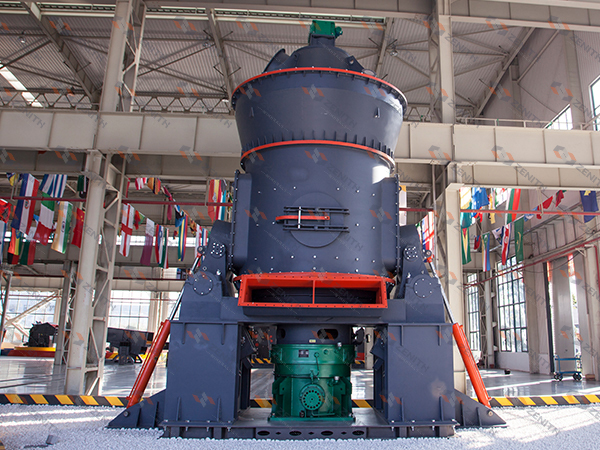
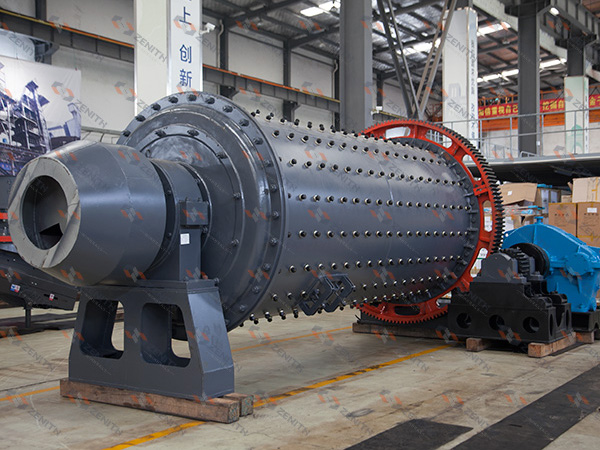
Shanghai Zenith offers a complete range of grinding mills, including MTW Trapezium Grinding Mill, Ball Mill, MTM Medium-Speed Grinding Mill, Raymond Mill, LM Vertical Grinding Mill, LUM Ultrafine Vertical Mill, XZM Ultrafine Grinding Mill, and Hammer Mill. For zeolite odor control production in Egypt, the following two models are recommended for their balance of capacity, fineness, and operational reliability.
1. MTW Trapezium Grinding Mill
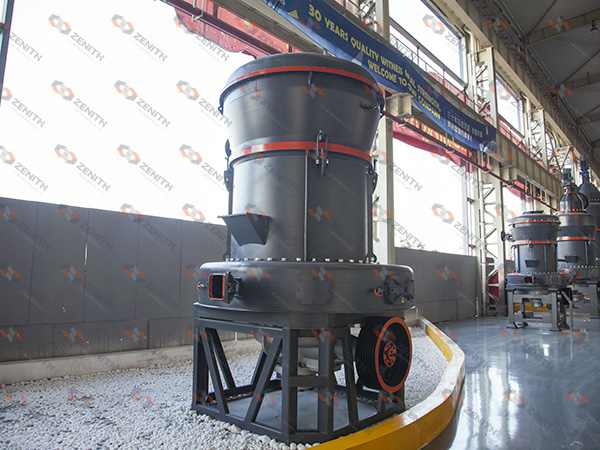
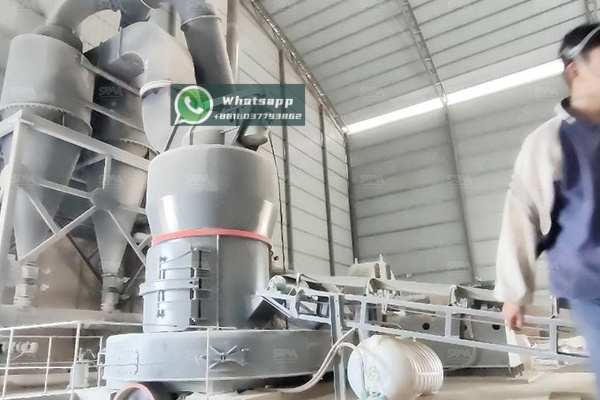
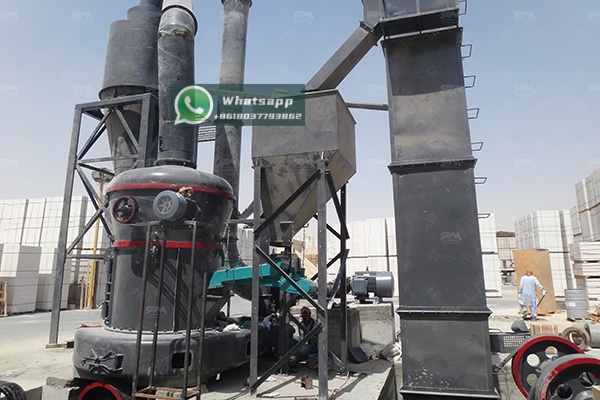
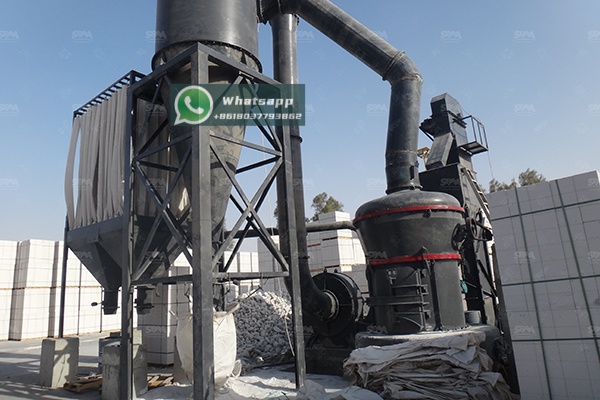
The MTW Trapezium Grinding Mill is a patented grinding mill known for its compact structure, long service life, and eco-friendly design. It is suitable for processing materials with a maximum input size of 50 mm and can produce a final product as fine as 0.038 mm. For zeolite odor control, this mill is ideal for producing medium-fine powders used in wastewater treatment, composting, agriculture, and granular media preparation. Models such as MTW138Z and MTW175G can serve medium to large Egyptian production lines, while MTW110 is suitable for smaller specialized operations.
| Model | Max. Feed Size (mm) | Final size (mm) | Capacity (t/h) | Main motor (kW) | Fan motor (kW) |
|---|---|---|---|---|---|
| MTW110 | <30 | 1.6-0.045 | 3-9 | 55 | 55 |
| MTW110Z | <30 | 1.6-0.045 | 3-10 | 55 | 55 |
| MTW138Z | <35 | 1.6-0.045 | 6-17 | 90 | 110 |
| MTW175G | <40 | 1.6-0.045 | 9.5-25 | 160 | 200 |
| MTW215G | <50 | 1.6-0.045 | 15-45 | 280 | 315 |
2. XZM Ultrafine Grinding Mill
The XZM Ultrafine Grinding Mill is widely used for superfine powder production. It is suitable for grinding soft or medium-hard materials with moisture content below 6% and can achieve an output fineness of 325-2500 mesh. For high-performance odor control, ultra-fine zeolite powder offers a larger surface area and faster adsorption. It is especially useful for advanced wastewater treatment, air purification filters, functional coatings, and high-value consumer odor control products. The XZM221 is a good entry-level choice, while the XZM268 supports larger industrial output for Egyptian manufacturers targeting domestic and export markets.
| Model | Working diameter (mm) | Max feed size (mm) | Final size (mesh) | Output (kg/h) | Main motor power (kW) |
|---|---|---|---|---|---|
| XZM221 | Φ800 | ≤20 | 325-2500 | 500-4500 | 75 |
| XZM268 | Φ1680 | ≤20 | 325-2500 | 5000-25000 | 315 |
Applying Zeolite Powder in Egyptian Odor Control Markets
Egyptian businesses can use ground zeolite in several odor control applications. Municipal landfills around Cairo and Alexandria can apply zeolite covers or blends to reduce ammonia and sulfur odors. Wastewater treatment plants can dose zeolite powder to control ammonia and improve sludge handling. Poultry and livestock farms in the Nile Delta can use zeolite as a bedding additive to absorb moisture and ammonia. Composting facilities can mix fine zeolite into organic waste to reduce offensive emissions. Industrial scrubbers and biogas systems can use zeolite media for hydrogen sulfide and volatile organic compound removal.
The choice of grinding fineness should match the application. For simple landfill or bedding use, a 0.045-0.5 mm product from the MTW mill may be sufficient and more economical. For liquid treatment or high-value filters, a 5-45 micron powder from the XZM mill can provide better adsorption kinetics. In some cases, producers may combine both mills in one plant: the MTW prepares medium-fine powder, and the XZM refines a portion into ultra-fine grade. This flexible strategy allows Egyptian producers to serve multiple customer segments with one zeolite source.
Operational and Environmental Benefits
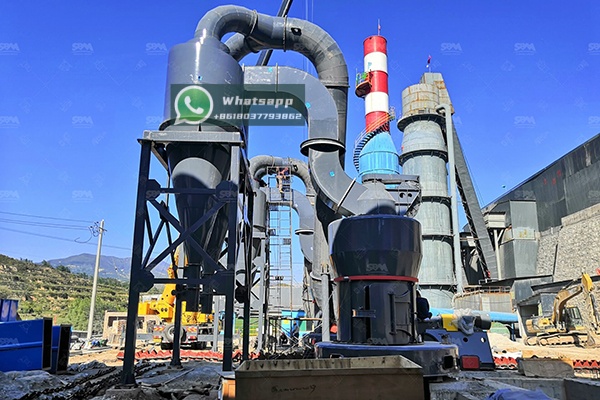
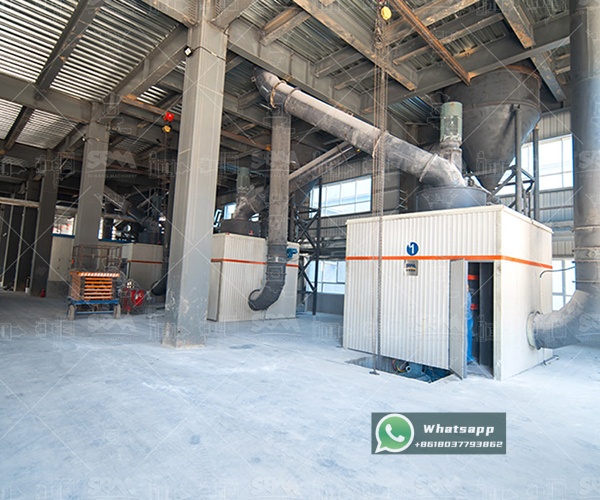
Shanghai Zenith grinding mills are designed for industrial reliability and environmental compliance. Modern configurations include closed-loop negative pressure systems, pulse bag filters, and low-noise operation, which help control dust when processing fine zeolite. Energy-efficient motors and optimized air classifiers reduce power consumption per ton. Wear parts are designed for long service life, lowering maintenance costs in remote Egyptian sites. The equipment can also be containerized and shipped to Egypt with installation and commissioning support.
For odor control product quality, operators should monitor feed moisture, grinding temperature, and final particle size. Zeolite is relatively soft compared with many ores, but it can be abrasive when contaminated with silica or clay. Regular inspection of rollers, rings, and classifier blades is recommended. With proper maintenance, the MTW and XZM mills can provide stable production for many years.
Conclusion
Zeolite is a versatile and effective material for odor control, and Egypt offers growing opportunities in waste management, wastewater treatment, agriculture, and industry. To convert natural zeolite into a high-performance odor control product, the right grinding technology is essential. Shanghai Zenith Machinery Co., Ltd. provides proven solutions through the MTW Trapezium Grinding Mill and the XZM Ultrafine Grinding Mill. The MTW mill delivers reliable medium-fine powder with capacities up to 45 t/h, while the XZM mill produces ultra-fine powder from 325 to 2500 mesh for advanced adsorption applications. For Egyptian investors and environmental companies, these mills can transform zeolite resources into valuable products that reduce odors, improve air quality, and support cleaner communities.
To discuss a zeolite grinding solution for your odor control project in Egypt, contact Shanghai Zenith Machinery Co., Ltd. for equipment selection, capacity calculation, and full project support.
Want This Solution for Your Project?
Contact us for a customized quotation and technical proposal.
Interested in This Solution?
Send us a message and our engineers will get back to you within 24 hours.