

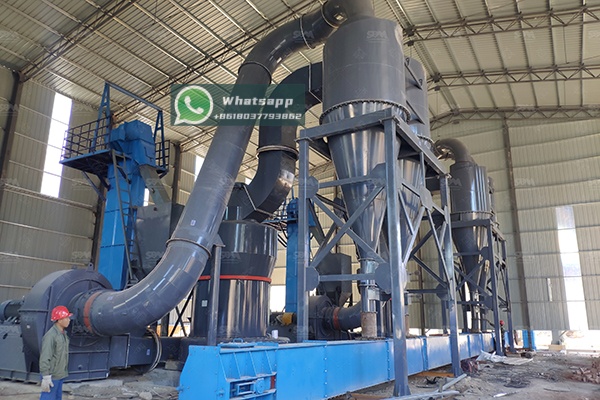
Talc Grinding Mill for Filler Applications in Pakistan
Pakistan has long been recognized as an important source of industrial minerals, and talc occupies a special place in its mineral processing sector. With deposits in Khyber Pakhtunkhwa and Balochistan, Pakistani producers supply talc to local paint, plastic, rubber, paper, ceramic, cosmetic and pharmaceutical industries, as well as to export markets. For filler applications, talc is not simply a cheap extender. Its platy morphology, softness, chemical inertness, low abrasion, whiteness and hydrophobic surface can improve reinforcement, barrier performance, rheology, opacity, thermal stability and processing economics. To unlock these benefits, however, the ore must be ground, classified, dried and packaged into a stable powder with controlled particle size distribution. Shanghai Zenith Machinery Co., Ltd. is an excellent manufacturer of ore grinding equipment in China and has made great achievements in the field of ultra-fine powder grinding. This article examines the key requirements for talc filler grinding in Pakistan and recommends suitable Zenith mills for different product grades.
Why Talc Is a Strategic Filler Material in Pakistan
In Pakistan, talc filler demand is driven by several sectors. Paint and coating manufacturers use talc to control gloss, improve settle resistance and reinforce films. Plastic and PVC compounders use fine talc to increase stiffness, dimensional stability and heat resistance while reducing shrinkage. Rubber producers use talc as a semi-reinforcing filler and processing aid. Paper mills may use talc to improve printability and opacity. Ceramic producers value its low shrinkage and thermal behavior, while cosmetic and pharmaceutical applications require high purity, fine particle size and consistent whiteness. Because these applications have different specifications, a single grinding solution cannot serve every customer. Filler grades may range from 200 mesh to 2500 mesh, with strict limits on top size, moisture, iron content and brightness. A successful talc processing line must therefore combine flexible fineness control, reliable capacity and low contamination.
Pakistani talc processors also face practical challenges. Ore quality can vary between deposits, and some material contains associated carbonate, chlorite or iron-bearing minerals. Moisture can be high, especially after rainy seasons or wet beneficiation. Energy costs and power stability influence operating economics. Dust control is essential for workplace safety and environmental compliance. In addition, many processors want a compact plant that can be installed near the mine or in an industrial estate and can expand as demand grows. These factors make the choice of grinding mill critical.
Key Requirements for Talc Grinding Mills in Filler Production
The ideal talc grinding mill for filler applications should meet several technical and operational criteria. First, it must deliver the target fineness and a narrow particle size distribution. Coarse filler grades for paper and ceramics may require 200 to 325 mesh, while premium plastic, coating and cosmetic grades often require 1250 to 2500 mesh. Second, the mill must preserve the natural lamellar structure of talc as much as possible. Excessive impacting or overheating can damage the plates and reduce performance in barrier and reinforcement applications. Third, capacity must match market demand, from small local operations to large export-oriented plants. Fourth, the system should handle moisture and provide drying when necessary. Fifth, wear parts should be made from durable materials and should not introduce excessive iron contamination. Sixth, energy consumption per ton must be controlled because grinding is the most energy-intensive step. Finally, the mill should be supported by efficient air classification, pulse-jet dust collection, automated control and easy maintenance access. Shanghai Zenith designs industrial powder grinding equipment and related devices with these priorities in mind.
Recommended Equipment from Shanghai Zenith Machinery
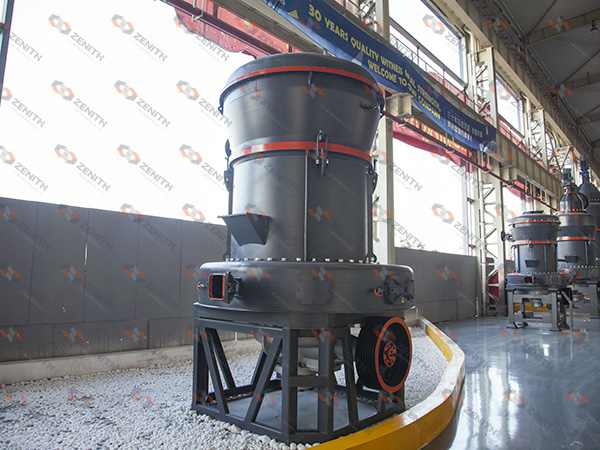
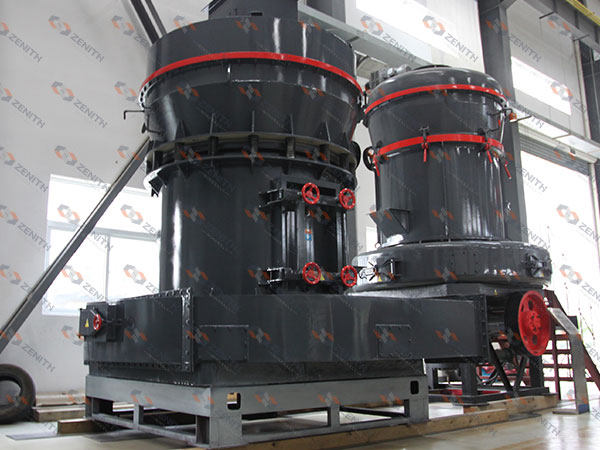
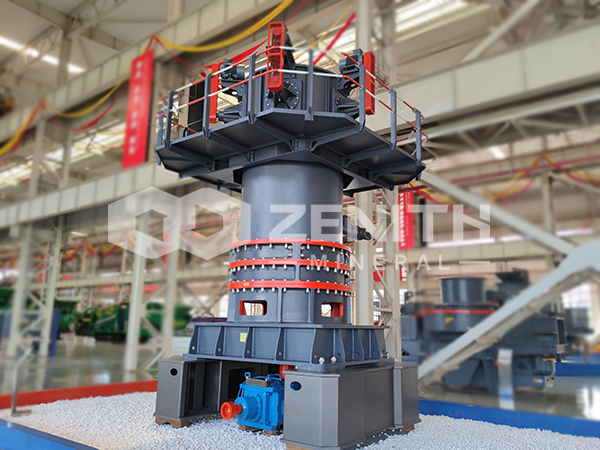
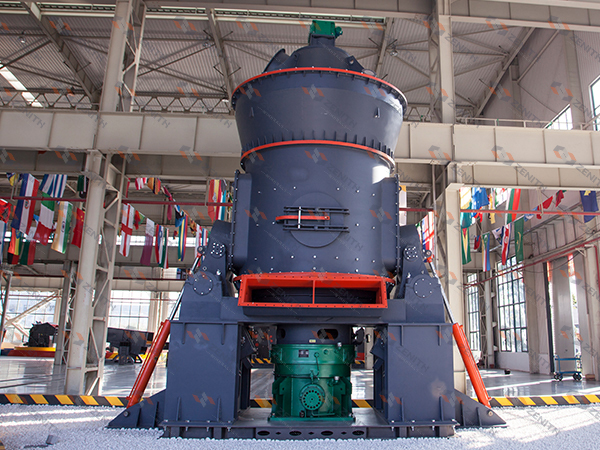
For Pakistani talc filler producers, Shanghai Zenith offers a broad product range that includes the MTW Trapezium Grinding Mill, Ball Mill, MTM Medium-Speed Grinding Mill, Raymond Mill, LM Vertical Grinding Mill, LUM Ultrafine Vertical Mill, XZM Ultrafine Grinding Mill and Hammer Mill. Two models are especially relevant for filler applications: the MTW Trapezium Grinding Mill for high-capacity production and the XZM Ultrafine Grinding Mill for premium fine and ultrafine powders.
MTW Trapezium Grinding Mill for High-Capacity Talc Filler Production
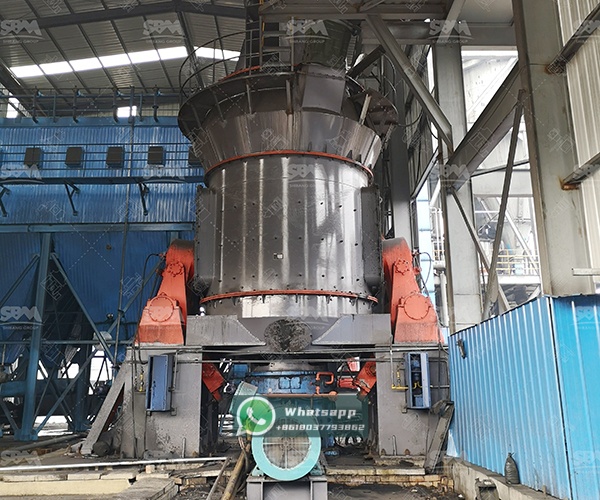
The MTW Trapezium Grinding Mill is a multiple-patent grinding mill known for its compact structure, long service life and eco-friendly design. It is suitable for processing materials with a maximum input size of 50 mm and can produce a final product as fine as 0.045 mm, which corresponds to approximately 325 mesh. This makes it an excellent choice for talc filler grades used in paints, plastics, rubber, paper and ceramics where high output and stable fineness are required. Available models include MTW110, MTW110Z, MTW138Z, MTW175G and MTW215G, with capacities from 3 t/h to 45 t/h and main motor power from 55 kW to 280 kW. The larger MTW215G can reach 15 to 45 t/h, making it suitable for large talc processing plants in Pakistan that serve multiple filler customers. The MTW mill can be integrated with jaw crushers, bucket elevators, vibrating feeders, classifiers, dust collectors and packing systems to form a complete production line.
XZM Ultrafine Grinding Mill for Premium Talc Filler Powders
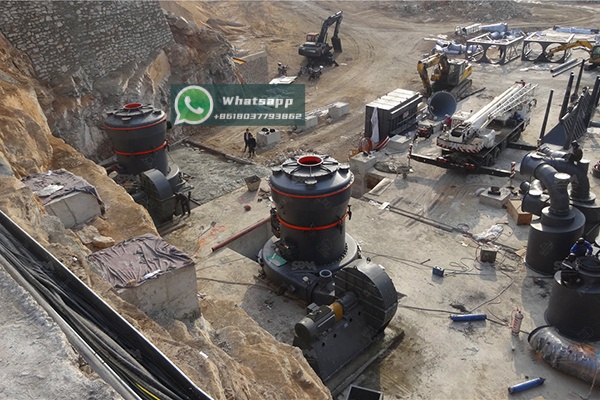
When the target market requires 800 mesh, 1250 mesh or even 2500 mesh talc filler, the XZM Ultrafine Grinding Mill is a strong solution. It is widely used for superfine powder production and is suitable for grinding soft or medium-hard materials with moisture content below 6 percent. Talc, with its Mohs hardness of about 1, is an ideal feed material for this mill. The XZM series can achieve an output fineness of 325 to 2500 mesh. The XZM221 has a working diameter of Φ800 mm, a maximum feed size of 20 mm, an output of 500 to 4500 kg/h and a main motor power of 75 kW. The larger XZM268 has a working diameter of Φ1680 mm, a maximum feed size of 20 mm, an output of 5000 to 25000 kg/h and a main motor power of 315 kW. These models allow Pakistani processors to produce high-value ultrafine talc for coatings, engineering plastics, cosmetics, pharmaceuticals and specialty rubber compounds. With precise classification and efficient dust collection, the XZM mill helps achieve the consistent whiteness, low moisture and controlled top size that filler buyers demand.
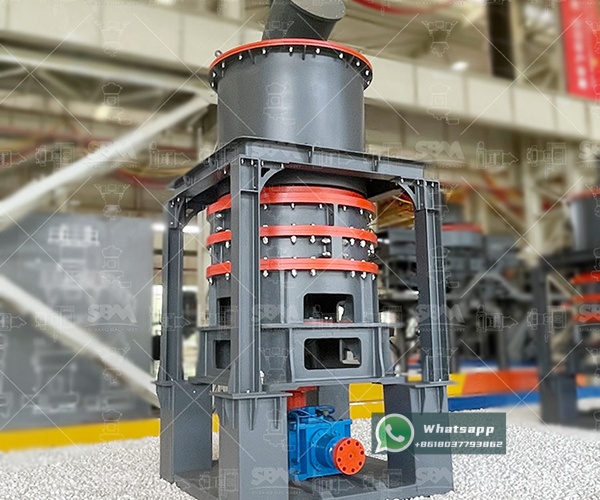
Configuring a Complete Talc Filler Grinding Plant
A complete talc filler production line usually includes primary crushing, storage, feeding, grinding, classification, dust collection, product collection and packing. For coarse filler production, a MTW Trapezium Grinding Mill may be combined with a high-efficiency classifier to produce 200 to 325 mesh products at high capacity. For ultrafine filler production, the XZM Ultrafine Grinding Mill can be used as the core unit, often with a pre-crushing stage and a moisture-control system. In both cases, the plant should be designed around the actual feed size, moisture, bulk density and target particle size distribution. Shanghai Zenith can provide not only individual mills but also related devices and process support to help Pakistani customers build a reliable and scalable talc powder plant.
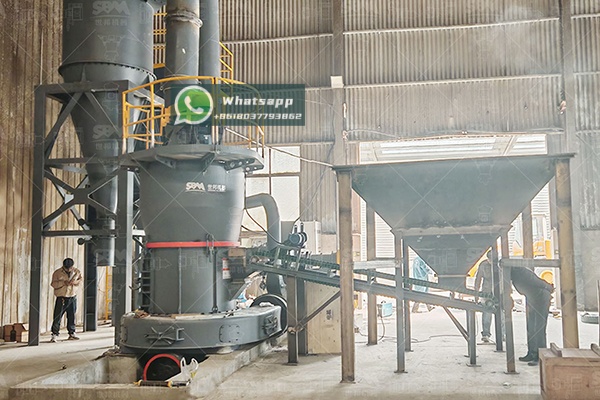
Operational and Maintenance Considerations
Even the best grinding mill requires correct operation to deliver consistent filler quality. Operators should monitor feed rate, air flow, classifier speed, grinding pressure and motor load. Regular inspection of rolls, rings, liners and classifier blades will prevent unexpected downtime. Because talc is soft, wear rates are generally lower than in hard-rock grinding, but wear parts should still be selected to avoid iron contamination. Moisture control is important: material entering an XZM mill should be below 6 percent moisture, while MTW systems can be configured with drying if necessary. Dust collectors must be maintained to protect workers and meet environmental standards. Product samples should be tested regularly for fineness, top size, brightness, moisture and oil absorption. With proper maintenance, a Zenith talc grinding line can provide years of stable production and a fast return on investment.
Conclusion
Pakistan has the raw materials, industrial demand and export potential to support a strong talc filler industry. To compete in domestic and international markets, producers need grinding technology that delivers precise fineness, high capacity, low contamination and efficient energy use. Shanghai Zenith Machinery Co., Ltd. offers proven solutions for these requirements. For high-capacity 325 mesh and coarser filler grades, the MTW Trapezium Grinding Mill is an excellent choice. For premium ultrafine talc fillers from 325 to 2500 mesh, the XZM Ultrafine Grinding Mill provides the flexibility and performance needed. By selecting the right mill and configuring a complete classification, dust collection and packing system, Pakistani talc processors can turn local ore into high-value filler products for paints, plastics, rubber, paper, ceramics, cosmetics and many other industries.
Key Equipment
Want This Solution for Your Project?
Contact us for a customized quotation and technical proposal.
Interested in This Solution?
Send us a message and our engineers will get back to you within 24 hours.