Introduction: Zambia’s Agricultural Potential and the Role of Phosphate Rock
Zambia, often referred to as the ‘Bread Basket of Southern Africa,’ possesses vast agricultural land suitable for crops such as maize, soybeans, and sugar cane. However, its soils are generally deficient in phosphorus, a critical macronutrient for plant growth. To boost crop yields and ensure food security, the Zambia Fertilizer Supply Program has emphasized the local production of phosphate fertilizers. The heart of this process lies in the efficient grinding of phosphate rock—a sedimentary rock rich in phosphate minerals—into fine powder for subsequent chemical treatment or direct application. Selecting the right grinding mill is paramount to achieving the desired fineness (typically 80% passing 200 mesh or 325 mesh) while minimizing energy consumption and maintenance costs.
Why Grinding Matters for Phosphate Fertilizer
Phosphate rock must be ground to a specific particle size distribution to maximize its reactivity during acidulation (e.g., with sulfuric acid to produce single superphosphate or phosphoric acid) or for direct application in certain soil conditions. Over-grinding wastes energy, while under-grinding reduces reaction efficiency. For Zambian operations, where reliability and cost-effectiveness are critical, grinding mills must handle abrasive phosphate rock (Mohs hardness 3–5) with moisture content usually below 6%. The equipment must also withstand the dusty environment and be easy to maintain in remote mining or processing sites.
Key Grinding Technology Options from Shanghai Zenith Machinery Co., Ltd.
Shanghai Zenith Machinery Co., Ltd. is an excellent manufacturer of ore grinding equipment in China, having made great achievements in the field of ultra-fine powder grinding. With decades of experience and a comprehensive product line, Zenith offers tailored solutions for phosphate rock grinding. Below we examine the most suitable mill types for Zambia’s fertilizer supply chain.
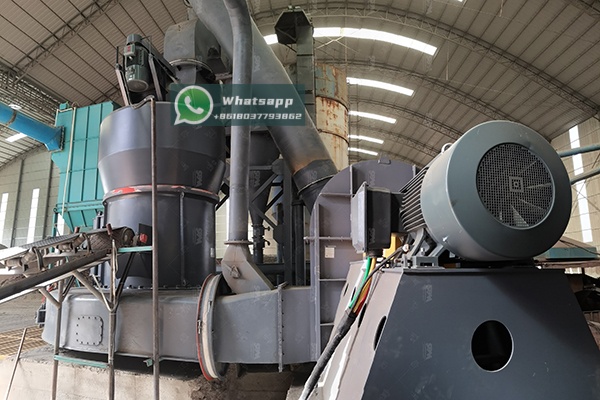
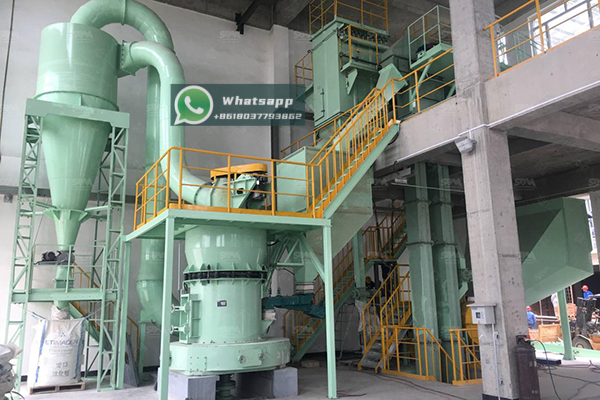
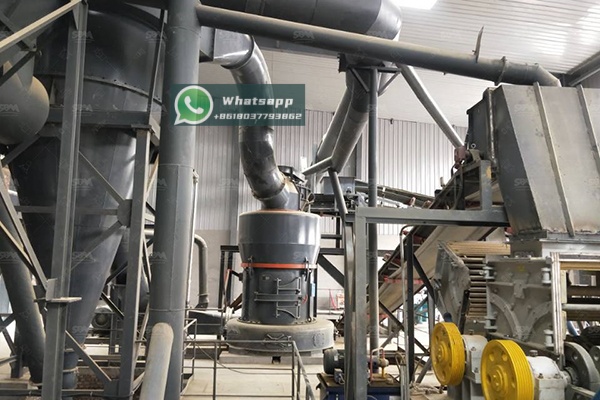
1. MTW Trapezium Grinding Mill – The Versatile Workhorse
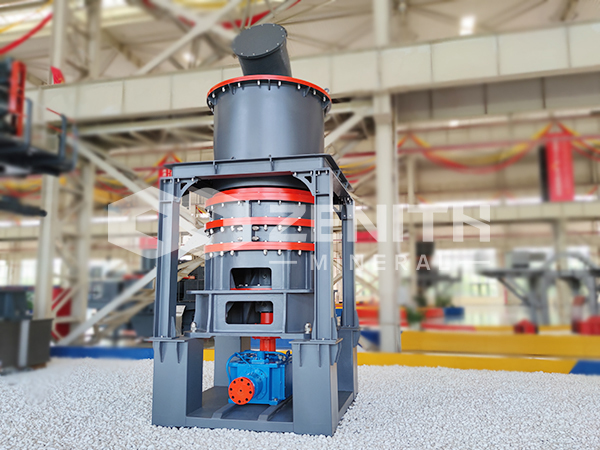
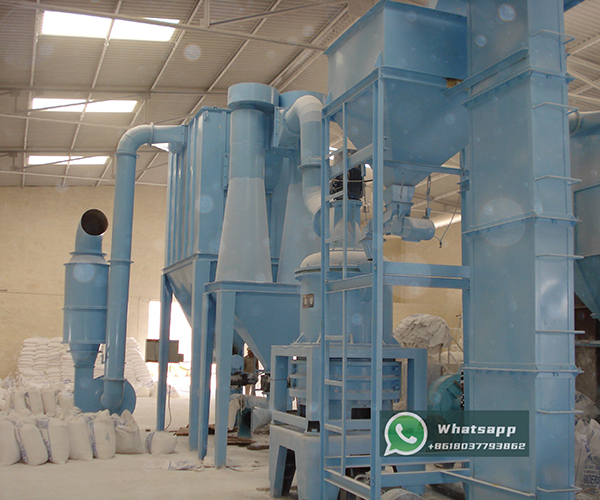
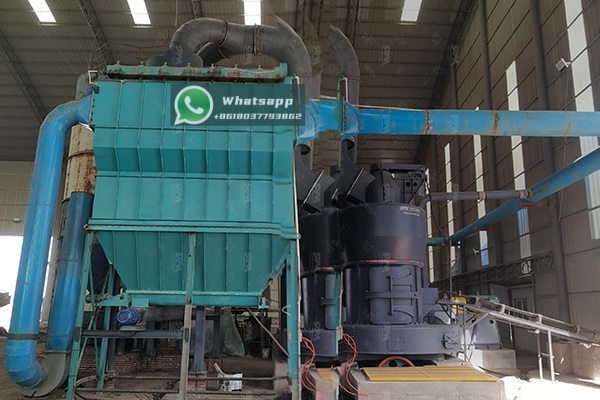
The MTW series is a patented trapezium mill that combines compact structure, long service life, and eco-friendly operation. It can handle feed sizes up to 50 mm and deliver final product fineness down to 0.038 mm (400 mesh). For typical phosphate rock grinding, the model MTW138Z or MTW175G would be ideal, offering capacities from 6 to 25 t/h. The trapezium grinding ring and roller design improve grinding efficiency by 30% compared to traditional Raymond mills. Additionally, the built-in classifier ensures precise particle size control, which is crucial for fertilizer quality.
| Model | Max Feed Size (mm) | Final Size (mm) | Capacity (t/h) | Main Motor (kW) |
|---|---|---|---|---|
| MTW138Z | <35 | 1.6–0.045 | 6–17 | 90 |
| MTW175G | <40 | 1.6–0.045 | 9.5–25 | 160 |
Recommended product: MTW175G Trapezium Grinding Mill – With its high capacity (up to 25 t/h) and robust construction, this mill is particularly suited for medium-to-large phosphate rock grinding plants in Zambia. Its automatic lubrication system and advanced damping design reduce vibration and prolong service life, ensuring minimal downtime.
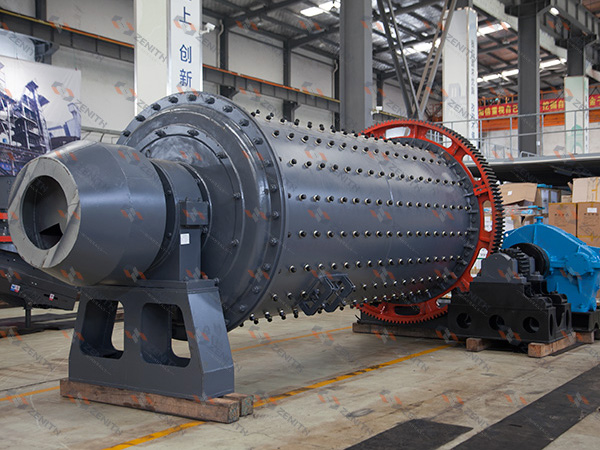
2. Ball Mill – The Proven Solution for Coarse-to-Fine Grinding
Ball mills have been a staple in mineral processing for decades. Zenith’s wet type ball mills, especially the over-flow ball mills, are excellent for grinding phosphate rock to a slurry before flotation or wet-process phosphoric acid production. The Φ2700×4500 model, with a grinding media weight of 48 tons and motor power of 430 kW, can produce 12–90 t/h depending on feed characteristics. For smaller operations, the Φ1500×4500 ball mill (3–6 t/h) is a cost-effective starting point. Ball mills are highly adaptable to raw material variations and can operate in continuous mode, making them ideal for integrated fertilizer plants.
| Model | Rotate Speed (r/min) | Grinding Media Weight (t) | Capacity (t/h) | Motor Power (kW) |
|---|---|---|---|---|
| Φ1500×4500 | 27 | 11 | 3–6 | 110 |
| Φ2700×4500 | 20.7 | 48 | 12–90 | 430 |
Recommended product: Φ2700×4500 Wet Type Ball Mill – For large-scale phosphate rock processing in Zambia, this ball mill provides excellent throughput and reliable performance. Its sturdy design and easy adjustment of discharge fineness make it a preferred choice for many African mining operations.
3. LUM Ultrafine Vertical Mill – For Ultra-Fine Phosphates (Optional)
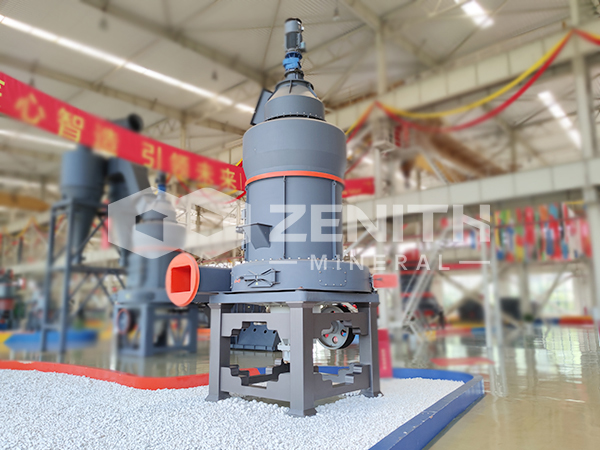
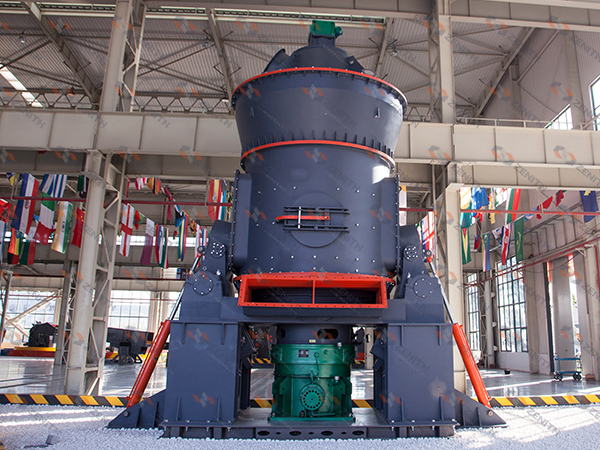
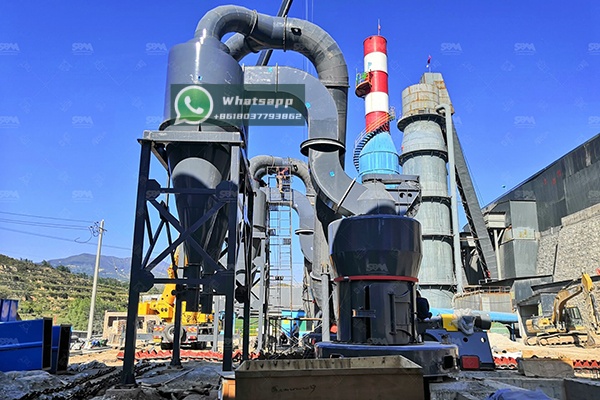
If the final product requires D97 < 30 µm (e.g., for high-end direct application fertilizers or feed phosphate), the LUM series ultrafine vertical mill from Zenith can be employed. Models like LUM1525 (1.6–11.5 t/h) or LUM1632 integrate grinding, classifying, and drying in a single compact unit. However, for standard SSF or TSP production, the MTW or ball mill usually suffices.
Selecting the Right Mill for Zambia’s Fertilizer Strategy
Zambia’s fertilizer supply program must balance capital investment, operating cost, and product quality. For a grassroots phosphate rock grinding plant, we recommend a two-stage approach: primary crushing followed by secondary grinding using either the MTW175G trapezium mill (for dry grinding) or the Φ2700×4500 ball mill (for wet grinding). The MTW mill excels in energy efficiency and low maintenance, while the ball mill offers unmatched flexibility in handling variable feed conditions. Both products are backed by Zenith’s global service network, ensuring spare parts availability and technical support in Southern Africa.
Conclusion: Empowering Zambian Agriculture with Zenith Grinding Mills
Investing in reliable grinding equipment is the cornerstone of a successful phosphate fertilizer industry. Shanghai Zenith Machinery Co., Ltd., with its extensive range of mills—MTW, Ball, MTM, LM, LUM, Raymond, and Hammer—provides turnkey solutions for Zambian investors. By choosing the MTW175G Trapezium Grinding Mill or the Φ2700×4500 Ball Mill, processors can achieve the required fineness (65–80% < 200 mesh) with consistent quality, low power consumption, and minimal environmental impact. These mills will help Zambia reduce fertilizer import dependency, support smallholder farmers, and accelerate agricultural transformation.
For detailed project proposals, site-specific recommendations, or a quotation, please contact Shanghai Zenith’s regional office. Let us partner to build a sustainable fertilizer supply chain for Zambia’s future.
Key Equipment
Want This Solution for Your Project?
Contact us for a customized quotation and technical proposal.
Interested in This Solution?
Send us a message and our engineers will get back to you within 24 hours.