Introduction
Diatomite, also known as diatomaceous earth, is a naturally occurring soft siliceous sedimentary rock formed from the fossilized remains of diatoms. Due to its high porosity, light weight, and high silica content, diatomite has become an increasingly important raw material in the animal feed industry. It is widely used as an anti-caking agent, a carrier for feed ingredients, a mycotoxin binder, and an aid for digestive health. In Kenya, where livestock and poultry production are expanding rapidly, feed manufacturers are seeking reliable and efficient ways to process local diatomite into premium feed additives. A well-designed diatomite milling line can transform raw mineral aggregates into fine, uniform powder that meets the strict quality requirements of Kenya’s feed industry. Shanghai Zenith Machinery Co., Ltd. has extensive experience in the design and manufacture of ore grinding equipment and is an excellent partner for building such a line.
Why Diatomite is Valuable in Feed Additives
Diatomite offers multiple functional benefits when added to compound animal feed. First, its porous structure gives it excellent moisture absorption capacity, helping keep feed free-flowing and preventing caking during storage and transport. Second, diatomite is rich in amorphous silica, which may contribute to stronger bones and eggshells in poultry and livestock. Third, the fine diatomite particles can bind to certain mycotoxins in the gastrointestinal tract, reducing their negative impact on animal health. In addition, diatomite acts as a natural abrasive and insect repellent, which helps protect stored grain and feed from insect infestations. These benefits explain the growing demand for processed diatomite powder in Kenya and the wider East African feed market.
Key Milling Requirements for Diatomite Feed Additives
Diatomite is relatively soft with a low hardness of 1 to 1.5 on the Mohs scale, but the raw ore often contains moisture, clay impurities, and aggregates of various sizes. To produce a feed-grade powder, the milling line must control particle size distribution, bulk density, and purity. The common target fineness for feed-grade diatomite ranges from 80 mesh to 200 mesh, while some high-value products require even finer powder below 325 mesh. The production line should also provide stable output, low metal contamination, and energy-efficient operation. Dust control is critical because feed additives are handled in areas that must meet hygiene and safety standards. Therefore, the grinding system should be enclosed and equipped with high-efficiency collectors.
Complete Diatomite Milling Process
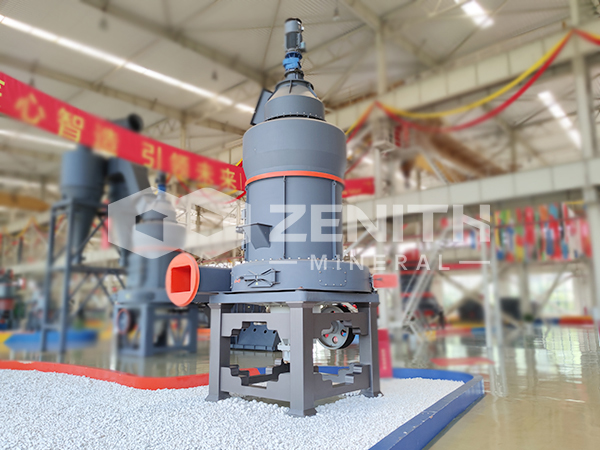
A typical diatomite milling line for feed additives consists of raw material crushing, drying, grinding, classification, and collection. The raw diatomite ore is first reduced to a particle size smaller than the maximum feed size accepted by the grinding mill. Then it is conveyed to a mill, where rotating grinding rollers and a classifier work together to produce the required fineness. If the raw ore has high moisture, a hot air drying system may be integrated into the mill or an external dryer can be used. The finished powder is collected by a bag filter or cyclone while clean air is discharged. Zenith provides complete system design, including feeders, conveyors, bucket elevators, dust collectors, and electrical control panels.
Recommended Equipment from Shanghai Zenith Machinery
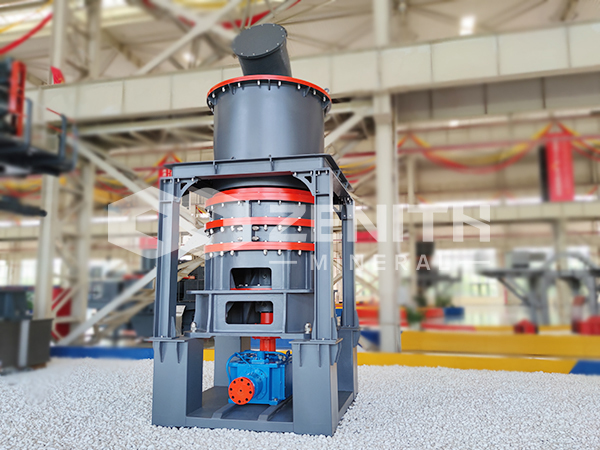
Shanghai Zenith Machinery Co., Ltd. is a leading Chinese manufacturer specializing in industrial powder grinding equipment. With advanced technology and a strong R&D team, Zenith has delivered high-performance milling lines for many minerals, including diatomite. For a Kenyan diatomite feed-additive project, we recommend two excellent machines: the MTW Trapezium Grinding Mill and the LUM Ultrafine Vertical Mill.
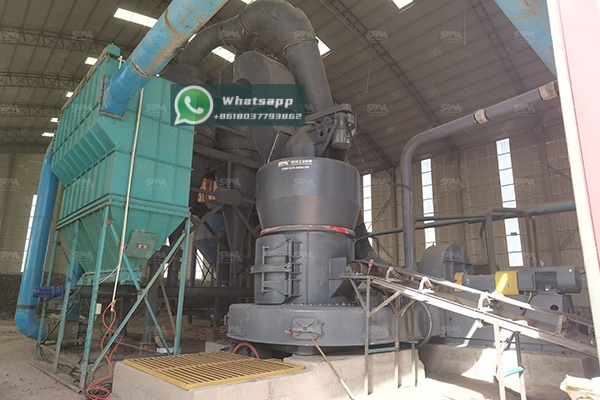
MTW Trapezium Grinding Mill
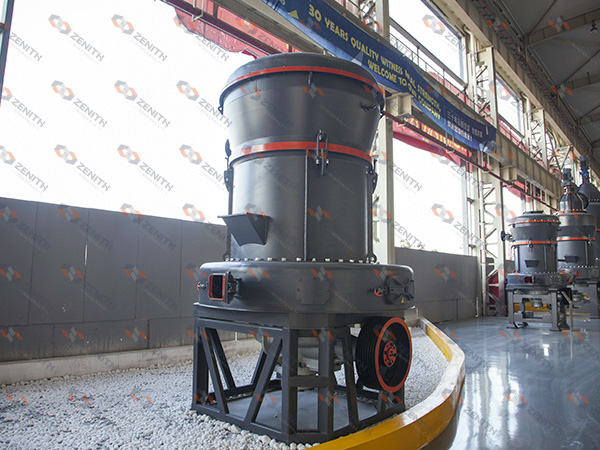
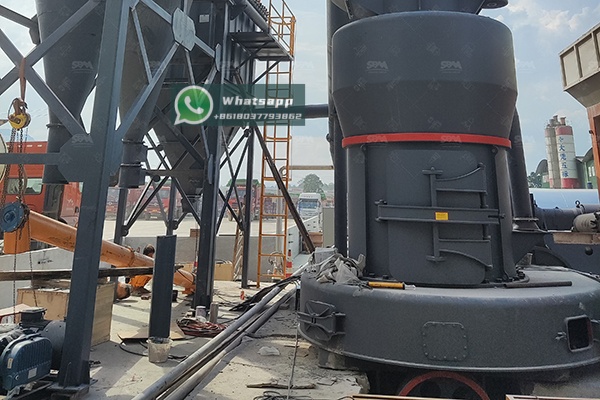
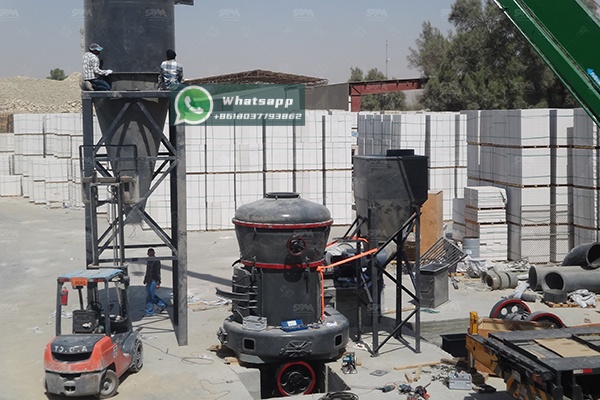
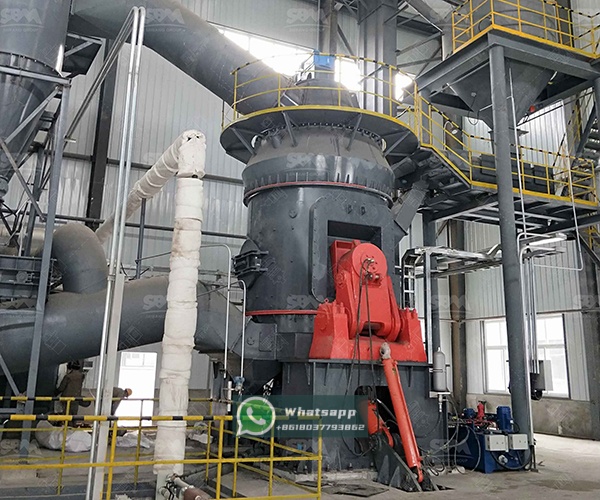
The MTW Trapezium Grinding Mill is a flagship product of Zenith and is especially suitable for medium-fineness and high-capacity grinding. Its compact structure, multi-classifier design, and gear-driven system ensure stable operation and low maintenance. The mill can accept feed sizes up to 50 mm and produce finished powder from 1.6 mm to 0.045 mm, which is roughly 10 to 325 mesh. For a diatomite line producing standard feed additives, the MTW138Z model is a reliable choice. Its maximum feed size is less than 35 mm, and its capacity reaches 6 to 17 tons per hour, with a main motor power of 90 kW and a fan motor power of 110 kW. This capacity is ideal for small and medium-scale Kenyan feed mills. If larger output is needed, the MTW175G can deliver 9.5 to 25 tons per hour with a 160 kW main motor. Because diatomite is soft and only moderately abrasive, the wear parts of MTW mills are made from high-quality alloy steel to ensure a long service life.
| Model | Max Feed Size | Final Size | Capacity | Main Motor |
|---|---|---|---|---|
| MTW138Z | <35 mm | 1.6-0.045 mm | 6-17 t/h | 90 kW |
| MTW175G | <40 mm | 1.6-0.045 mm | 9.5-25 t/h | 160 kW |
LUM Ultrafine Vertical Mill
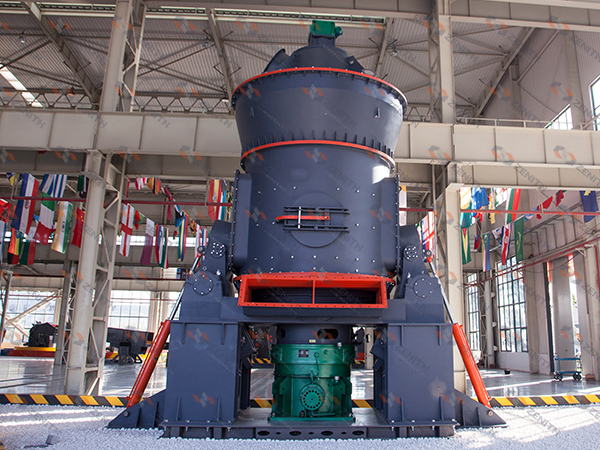
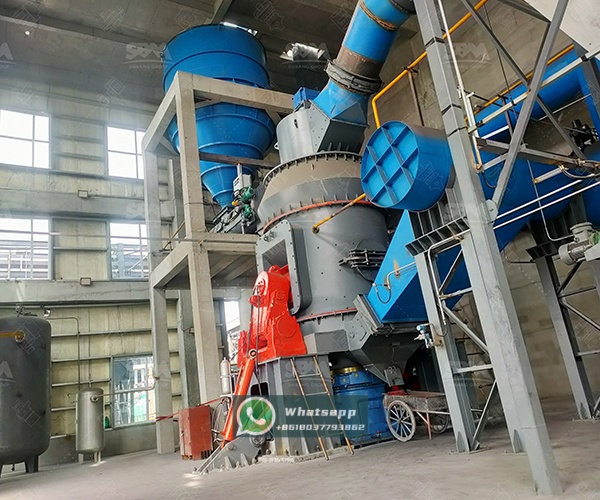
When the target product is high-grade ultrafine diatomite for specialty feed additives, the LUM Ultrafine Vertical Mill offers exceptional performance. This mill integrates grinding, drying, classifying, and conveying in one unit. It is designed to produce powder with a particle size distribution D97 of 5 to 30 micrometers, which is equivalent to roughly 600 to 2500 mesh. Such ultrafine powders possess a larger specific surface area and may provide better adsorption of toxins in animal feed. The LUM1632 model, for example, has a main machine power of 280 to 315 kW and a capacity of 2.0 to 13.5 tons per hour. Its intelligent control system simplifies operation and ensures consistent product quality. This makes the LUM series a strategic investment for Kenyan companies aiming to differentiate themselves in the feed additives market with high-value micronized diatomite.
Building a Customized Diatomite Milling Line in Kenya
To achieve the best return on investment, a milling line must be tailored to the raw material characteristics and the required product specifications. Zenith can design a complete line based on the client’s site and target capacity. For example, raw diatomite with a moisture content of 15 percent can be dried by the internal hot air system of the LUM vertical mill, eliminating the need for a separate dryer. For MTW mills, an external drying step may be recommended if the moisture level is high. The processing line typically includes a jaw crusher or hammer mill for primary size reduction, a bucket elevator, a storage silo, a vibrating feeder, the main grinding mill, a classifier, a bag filter, and a product conveying system. All equipment can be arranged in a compact footprint to reduce civil works and operational costs.
Why Choose Shanghai Zenith for Kenya’s Diatomite Milling
Shanghai Zenith Machinery Co., Ltd. is an excellent manufacturer of ore grinding equipment in China and has made great achievements in the field of ultrafine powder grinding. Zenith specializes in the research, development, and production of industrial powder grinding equipment and related devices. The company’s main product portfolio includes MTW Trapezium Grinding Mill, Ball Mill, MTM Medium-Speed Grinding Mill, Raymond Mill, LM Vertical Grinding Mill, LUM Ultrafine Vertical Mill, XZM Ultrafine Grinding Mill, and Hammer Mill. This broad range allows Zenith to recommend the most cost-effective solution for every project. In addition, Zenith provides complete project engineering, including site planning, installation supervision, commissioning, and staff training, helping Kenyan clients achieve quick and smooth startup. With a strong international presence and abundant export experience, Zenith is fully capable of supporting the growing East African feed industry.
Conclusion
Diatomite is a versatile mineral that can significantly improve the quality and safety of animal feed. For Kenya, a well-designed diatomite milling line using Shanghai Zenith’s advanced grinding equipment can turn natural resources into high-value feed additives. The MTW Trapezium Grinding Mill is ideal for producing standard feed-grade powder with high efficiency and reliable operation, while the LUM Ultrafine Vertical Mill provides the capability to produce ultrafine products with enhanced performance. By choosing Zenith, Kenyan feed manufacturers obtain not only world-class machinery but also the engineering expertise needed to build a profitable, reliable, and sustainable production line. Whether the target is domestic supply or export to neighboring countries, a Zenith diatomite milling line is a sound investment for the future.
Key Equipment
Want This Solution for Your Project?
Contact us for a customized quotation and technical proposal.
Interested in This Solution?
Send us a message and our engineers will get back to you within 24 hours.