Introduction
Kenya’s construction sector is growing steadily, driven by housing, roads, commercial buildings, and public infrastructure. This growth has created strong demand for cement, not only from large integrated producers but also from small and medium-capacity grinding plants. A small capacity cement plant in Kenya often produces between 50 and 300 tonnes per day, or roughly 5 to 30 tonnes per hour of finished cement. For these plants, the cement clinker mill is the heart of the operation. It determines product quality, energy consumption, maintenance cost, and the ability to compete with imported cement and larger local producers.
Clinker is hard, abrasive, and energy-intensive to grind. In a small plant, every tonne per hour and every kilowatt matters. Therefore, selecting a reliable cement clinker mill for small capacity plants in Kenya requires a careful balance of capacity, fineness, footprint, power supply, and after-sales support. Shanghai Zenith Machinery Co., Ltd., an experienced manufacturer of ore grinding equipment in China, offers several mills that can be configured for clinker, gypsum, limestone, pozzolana, and blended cement production. This article explains the key considerations and recommends two Zenith products suitable for Kenyan small-capacity cement grinding plants.
Why Small Capacity Cement Clinker Grinding in Kenya Is Different
Small cement plants in Kenya face conditions that differ from those of large integrated factories. They usually purchase clinker from domestic or imported sources, then grind it with gypsum and supplementary materials such as pozzolana, limestone, or slag. This means the mill must handle variable feed composition, moisture, and grindability. It must also produce a consistent cement fineness, because engineers, contractors, and block makers expect predictable strength development and setting behavior.
Power reliability and energy cost
Electricity supply can be a limiting factor in some regions, and power tariffs directly affect production cost. A mill with high grinding efficiency, stable operation, and optimized motor power can reduce specific energy consumption per tonne of cement. Variable frequency drives, efficient classifiers, and well-designed grinding circuits help small plants manage peak loads and avoid unnecessary power waste.
Product mix and fineness control
Kenyan producers often make OPC, PPC, and other blended cements. The target fineness may range from about 300 to 450 m2/kg Blaine, depending on the product and market. The mill must allow quick adjustment of final powder fineness without frequent shutdowns. A dynamic classifier or adjustable separator is therefore valuable. It enables the operator to change product fineness while maintaining output and avoiding over-grinding.
Footprint, maintenance, and local support
Many small plants are built on limited land near markets, transport routes, or clinker storage. A compact grinding unit is easier to install and operate. Maintenance also matters. Clinker is abrasive, so wear parts such as rollers, rings, liners, and grinding table segments must be durable and easy to replace. Local technical support, spare parts availability, and operator training are essential for uptime.
Key Selection Criteria for a Small Cement Clinker Mill
Capacity matching
The mill should match the plant’s daily production and future expansion plan. Oversizing increases capital cost and energy waste, while undersizing limits sales and creates bottlenecks. For a small Kenyan plant, a capacity range of 3 to 30 t/h is usually practical. This range supports small batch production, regional distribution, and gradual market growth.
Feed size and grindability
Clinker feed size typically needs to be controlled before grinding. A maximum feed size of 30 to 50 mm is common for many mills. Grindability also varies with clinker chemistry, cooling rate, and mineral composition. A strong mill design with sufficient grinding force and reliable Wear-resistant materials can handle these variations better.
Target fineness
Fineness affects strength, setting time, and energy consumption. A cement clinker mill should be able to produce a final product in the range of 0.045 mm to 0.08 mm, or approximately 325 to 600 mesh depending on the application. For a small plant, the ability to switch between OPC and PPC is often more important than achieving extremely fine powder.
Energy efficiency
Grinding is one of the largest electrical loads in a cement plant. Vertical mills and advanced trapezium mills can reduce specific power consumption compared with older ball mill circuits. High-efficiency fans, optimized air flow, and effective classification also improve energy performance.
Dust control and environmental compliance
Dust emissions must be controlled to protect workers and nearby communities. Bag filters, enclosed conveyors, negative-pressure operation, and proper venting are important. Kenyan regulatory requirements and local environmental standards should be considered during equipment selection and plant layout.
Recommended Zenith Mills for Small Capacity Clinker Grinding in Kenya
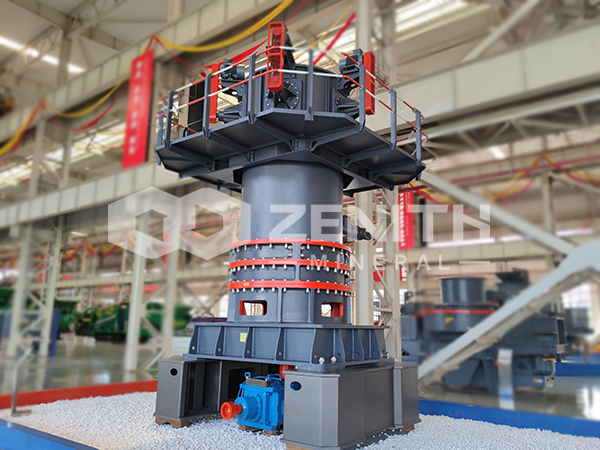
Shanghai Zenith Machinery Co., Ltd. specializes in industrial powder grinding equipment. For Kenyan small capacity plants, two models are particularly suitable: the MTW Trapezium Grinding Mill and the LM Vertical Grinding Mill. Both can be configured for clinker, gypsum, limestone, pozzolana, and other cement extenders.
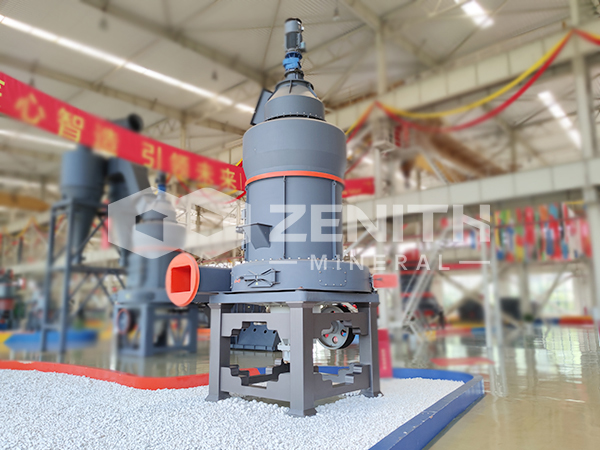
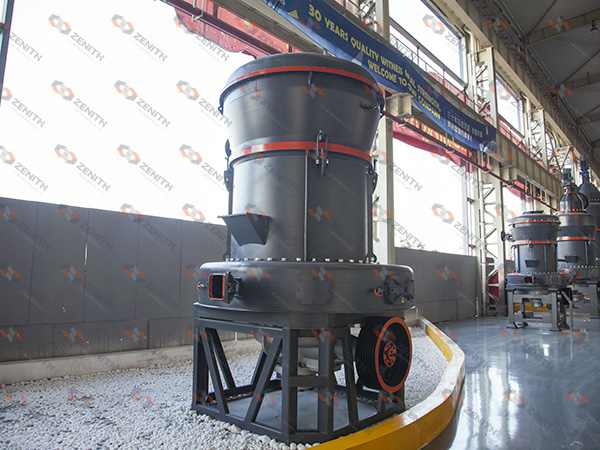
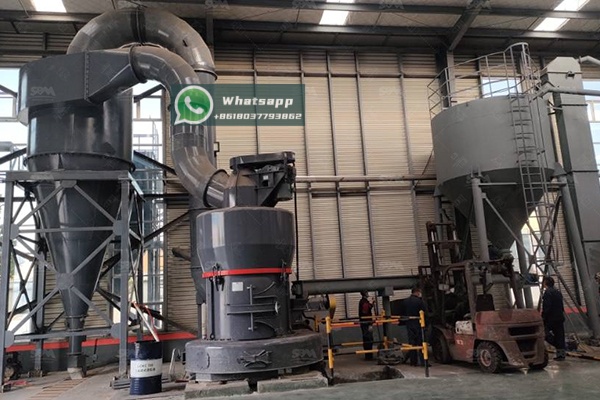
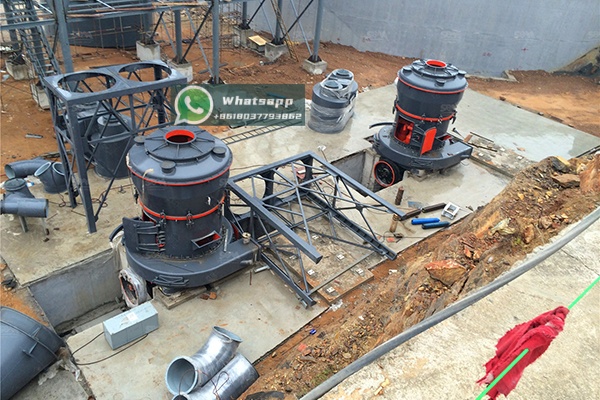
MTW Trapezium Grinding Mill: Flexible 3-25 t/h Grinding
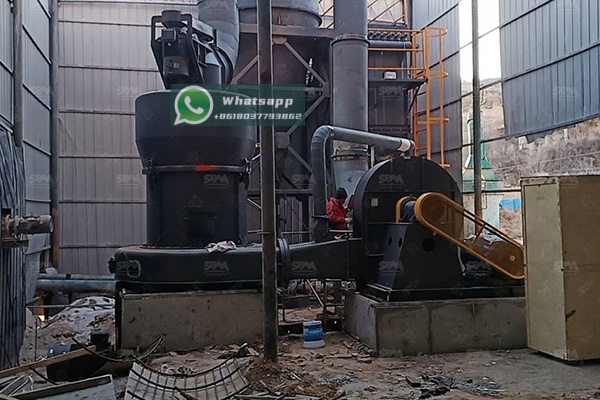
The MTW Trapezium Grinding Mill is a patented product known for its compact structure, long service life, and eco-friendly design. It is suitable for materials with a maximum input size of 50 mm and can produce a final product as fine as 0.038 mm. For small cement plants, the MTW110, MTW110Z, MTW138Z, and MTW175G models provide a practical capacity range from 3 t/h to 25 t/h. This makes the MTW mill an excellent choice for 5 t/h, 10 t/h, and 15 t/h clinker grinding lines.
The MTW mill uses a bevel gear transmission, internal lubrication system, curved blade shovel, and high-efficiency fan. Its separator can be adjusted to control product fineness, which is useful when producing different cement types. Maintenance is also simplified because major wear parts are accessible and designed for long service life. For a small plant in Kenya producing PPC or OPC, the MTW138Z or MTW175G can deliver reliable output without a very large installation footprint.
| Model | Max. Feed Size (mm) | Final Size (mm) | Capacity (t/h) | Main Motor (kW) | Fan Motor (kW) |
|---|---|---|---|---|---|
| MTW110 | less than 30 | 1.6-0.045 | 3-9 | 55 | 55 |
| MTW110Z | less than 30 | 1.6-0.045 | 3-10 | 55 | 55 |
| MTW138Z | less than 35 | 1.6-0.045 | 6-17 | 90 | 110 |
| MTW175G | less than 40 | 1.6-0.045 | 9.5-25 | 160 | 200 |
| MTW215G | less than 50 | 1.6-0.045 | 15-45 | 280 | 315 |
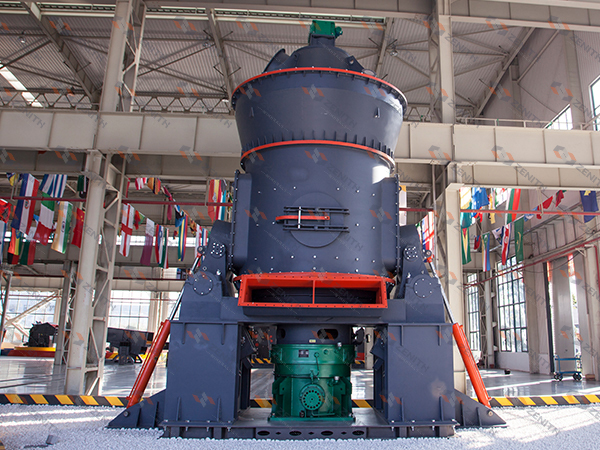
LM Vertical Grinding Mill: Efficient 10-28 t/h Clinker Grinding
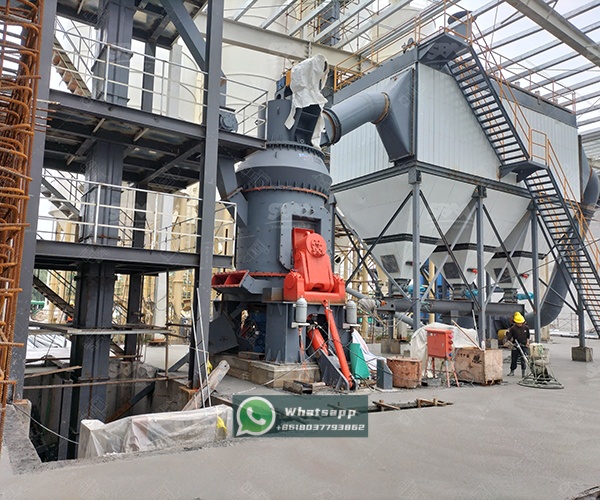
The LM Vertical Grinding Mill integrates crushing, grinding, powder selection, drying, and material conveying into one machine. It occupies a small area, produces fine final powder, and supports eco-friendly production. For small and expanding cement plants in Kenya, the LM130K is a strong match. It has a 1300 mm grinding plate, a capacity of 10-28 t/h, an output fineness of 170-40 μm, a maximum feed size below 38 mm, and a 200 kW main motor. If the plant needs higher output later, the LM190K can provide 23-68 t/h.
Because the LM mill can use hot air for drying, it can handle clinker and additives with moderate moisture. Its vertical structure reduces floor space, and its grinding rollers and table can be maintained with relatively simple procedures. The classifier is adjustable, allowing the operator to produce cement with the required fineness. For a 20 t/h or 30 t/h cement grinding line in Kenya, the LM vertical mill offers low specific energy consumption and stable operation.
| Model | Plate Diameter (mm) | Capacity (t/h) | Output Fineness (μm) | Max Feed Size (mm) | Main Motor (kW) |
|---|---|---|---|---|---|
| LM130K | 1300 | 10-28 | 170-40 | less than 38 | 200 |
| LM190K | 1900 | 23-68 | 170-40 | less than 45 | 500 |
| LM280K | 2800 | 50-170 | 170-45 | less than 50 | 1250 |
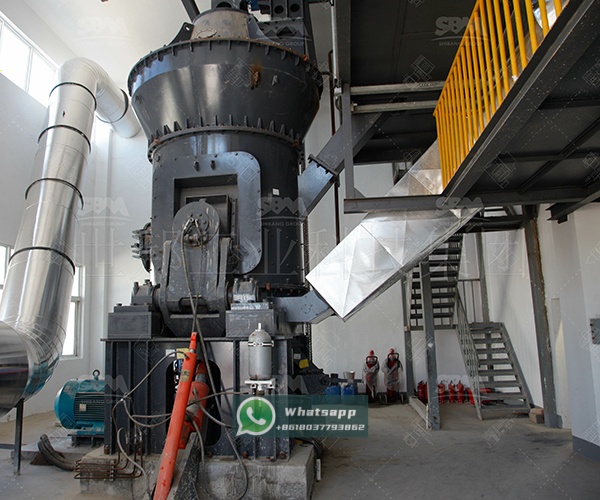
In general, the MTW Trapezium Grinding Mill is often preferred for very small plants of 3-15 t/h because of its compact layout and flexible fineness control. The LM Vertical Grinding Mill is ideal for 10-30 t/h plants that want lower power consumption per tonne and a smaller building footprint. The final choice should depend on feed size, moisture, target fineness, available power, and future expansion plans.
Process Configuration for a Small Clinker Grinding Plant
A typical small cement clinker grinding plant includes clinker and gypsum storage, pozzolana or limestone storage, weigh feeders, belt conveyors, the grinding mill, an air classifier, a bag filter, a circulating fan, a cement silo, and a packing machine. For the MTW mill, material is fed evenly into the grinding chamber, ground between rollers and ring, and carried by air to the classifier. Coarse particles return for further grinding, while fine powder is collected by the dust collector. For the LM vertical mill, material is fed onto the grinding table, ground by rollers, dried by hot air if needed, and classified by the integrated separator.
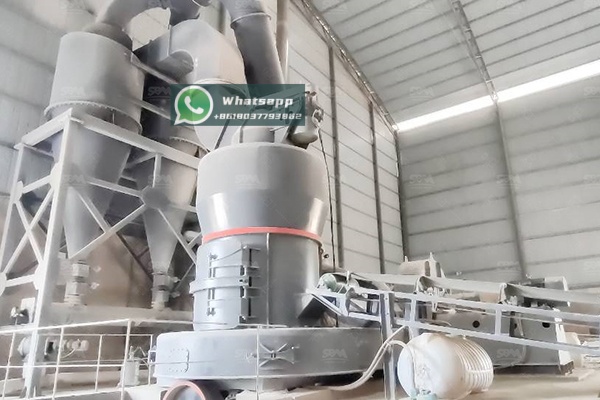
Automation can improve consistency and reduce labor. A PLC control system can monitor feeder speed, mill load, air flow, temperature, pressure, and product fineness. This helps operators respond to changes in clinker quality and market demand. A well-designed grinding circuit also reduces downtime during maintenance and allows safe, clean production.
Energy, Quality, and Environmental Considerations
Energy is a major cost in cement grinding. Small plants should evaluate specific power consumption in kWh per tonne, not only the nominal motor power. Grinding aids can improve flowability and reduce agglomeration, but they must be compatible with local cement standards. Moisture in clinker or additives can cause blockages, so drying capability or covered storage is important. Product quality should be checked regularly through Blaine fineness, residue, setting time, and strength tests.
Environmental protection is equally important. Dust collection, noise reduction, and proper waste management help the plant meet local requirements and maintain good community relations. Enclosed storage, sealed conveying points, and efficient filters should be part of the basic design. With the right mill and process layout, a small cement plant in Kenya can operate cleanly and efficiently.
After-Sales Support and Local Service in Kenya
Choosing a mill manufacturer is not only about equipment parameters. Installation, commissioning, operator training, spare parts, and technical support determine long-term success. Shanghai Zenith Machinery Co., Ltd. provides complete grinding solutions, including equipment selection, process design, installation guidance, and after-sales service. For Kenyan customers, remote diagnostics, timely spare parts supply, and practical training can reduce downtime and improve production efficiency.
Conclusion
For small capacity cement plants in Kenya, the cement clinker mill must deliver the right capacity, fineness, energy efficiency, and reliability at a reasonable investment. The MTW Trapezium Grinding Mill and the LM Vertical Grinding Mill from Shanghai Zenith Machinery Co., Ltd. are two strong options. The MTW mill is flexible and compact for 3-25 t/h production, while the LM vertical mill is highly efficient for 10-28 t/h and above. By matching the mill to local raw materials, power conditions, product mix, and growth plans, Kenyan producers can build a competitive and sustainable cement grinding business.
Key Equipment
Want This Solution for Your Project?
Contact us for a customized quotation and technical proposal.
Interested in This Solution?
Send us a message and our engineers will get back to you within 24 hours.