Limestone Grinding Mill for Cement Additives in South Africa
South Africa’s cement industry is under pressure to lower carbon emissions, reduce clinker factors, and control energy costs while maintaining reliable supply for infrastructure, mining, and housing projects. Limestone is one of the most practical and widely accepted cement additives because it is abundant, cost-effective, and can improve certain fresh and hardened concrete properties when ground to the correct fineness. However, the performance of limestone as a cement additive depends heavily on the grinding system. A well-designed limestone grinding mill must deliver consistent particle size distribution, low specific energy consumption, reliable wear life, and simple integration with existing cement production lines. For producers in South Africa, where electricity costs and availability are critical, selecting the right mill is not only a technical decision but also a financial one.
The Role of Limestone in Cement Additives
Limestone is used in Portland-limestone cement and as a mineral addition in blended cements. In standards aligned with EN 197-1, limestone can constitute a significant proportion of the binder, typically up to 35% depending on the cement type. It acts as a filler, improves particle packing, and can contribute to early strength development through nucleation effects. It also reduces the amount of clinker required per tonne of cement, which directly lowers CO2 emissions and production costs. In South Africa, this is particularly important because clinker production is energy-intensive and exposed to carbon tax and electricity tariff increases. Limestone sources in Limpopo, North West, Western Cape, and other provinces are generally suitable, but their hardness, moisture, and chemical consistency vary. The grinding circuit must therefore handle a range of feed conditions while producing a stable product.
The required fineness for limestone additives usually falls between 300 and 600 m2/kg Blaine, or approximately D97 45 microns down to 10-20 microns for specialist applications. If the limestone is too coarse, its reactivity and filler efficiency drop, and concrete may show reduced cohesion or increased bleeding. If it is over-ground, energy consumption rises sharply and particle agglomeration can occur. This balance makes classifier performance, grinding pressure, and drying capability essential.
Key Grinding Requirements in South African Cement Plants
South African cement producers face several specific conditions. First, power supply constraints and load shedding require mills that can operate efficiently at variable load and recover quickly after interruptions. Second, fuel and electricity costs make specific power consumption a key selection criterion. Third, many plants are located inland or near quarries, where raw limestone moisture can be higher during rainy seasons, so drying during grinding is an advantage. Fourth, dust emission regulations and workplace safety demand closed systems with effective filtration. Finally, maintenance must be straightforward because skilled labor and spare parts availability vary by site.
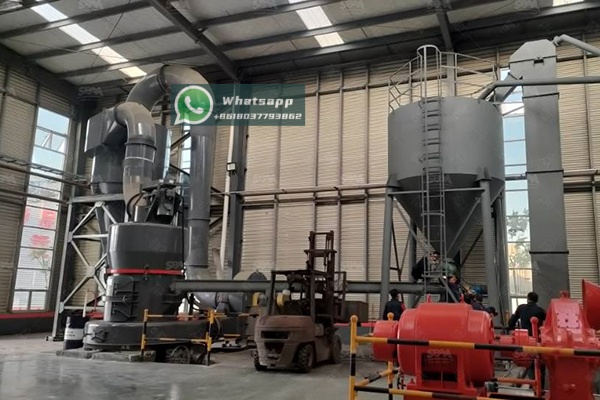
A modern limestone grinding mill for cement additives should therefore combine grinding, drying, classification, and conveying in a compact circuit. It should offer high availability, easy adjustment of fineness, and wear parts with long service life. Vertical roller mills and advanced trapezium mills are often preferred over traditional ball mills because they achieve the same fineness with lower energy consumption and a smaller footprint. They also respond faster to product changes, which is useful when a plant alternates between different cement types.
Recommended Equipment from Shanghai Zenith Machinery
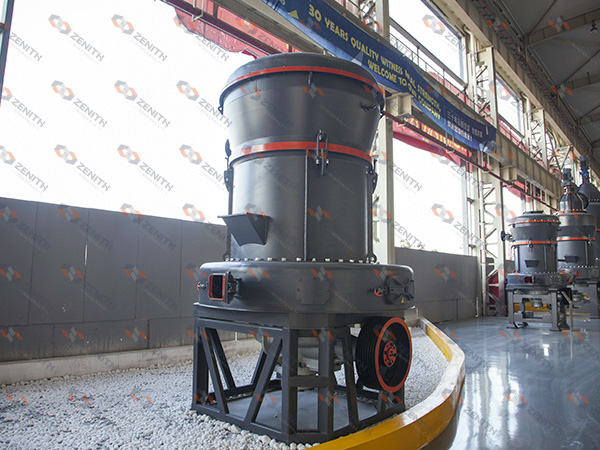
Shanghai Zenith Machinery Co., Ltd. is an excellent manufacturer of ore grinding equipment in China and has made significant achievements in ultra-fine powder grinding. For limestone used as a cement additive in South Africa, two Zenith mills are particularly suitable: the LM Vertical Grinding Mill and the MTW Trapezium Grinding Mill.
LM Vertical Grinding Mill for High-Capacity Cement Additive Production
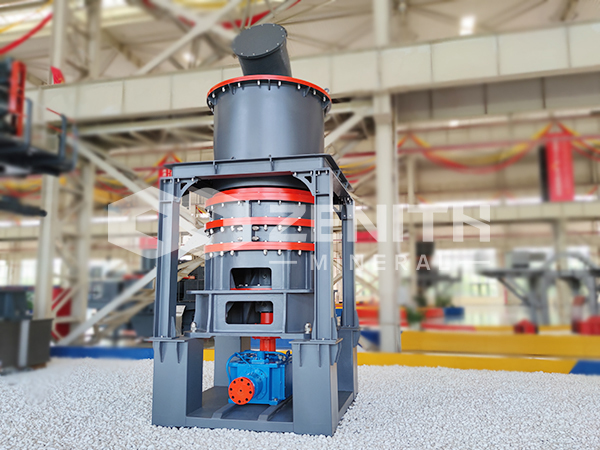
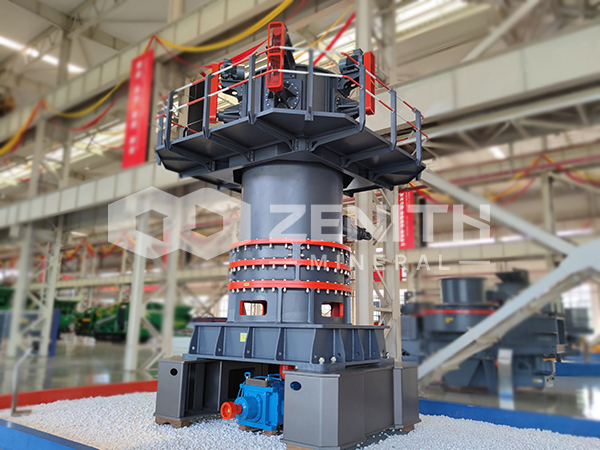
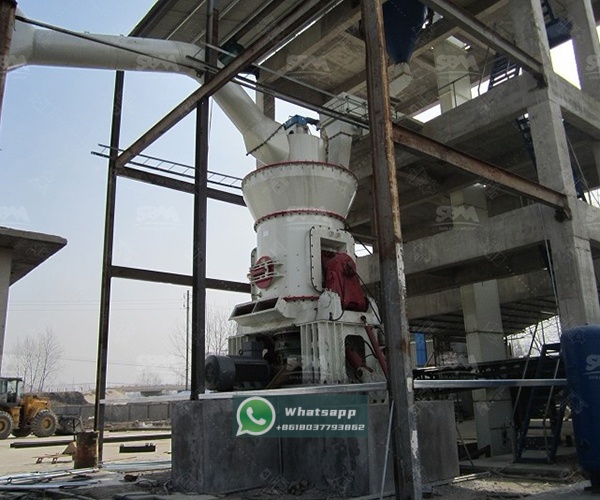
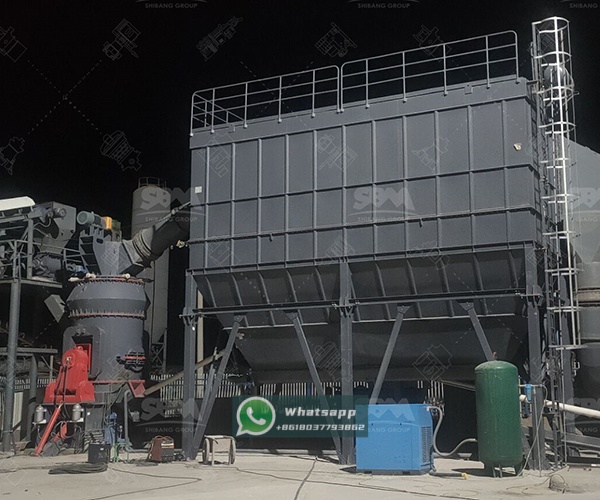
The LM Vertical Grinding Mill integrates crushing, grinding, powder selection, drying, and material conveying into one system. It occupies a small area, produces a fine final powder, and is an eco-friendly production solution. For cement additive lines, the LM Vertical Mineral Mill series is a strong choice. The LM130K has a 1300 mm plate diameter and a capacity of 10-28 t/h, with output fineness of 170-40 microns and a maximum feed size below 38 mm. The LM190K offers 23-68 t/h with a 1900 mm plate and 500 kW main motor, while the LM280K reaches 50-170 t/h with a 2800 mm plate and 1250 kW motor. These capacities allow a cement plant to match limestone grinding to clinker production without excessive idle capacity.
When a finer limestone additive is required, the LM Vertical Fine-powder Mill series can produce 325-600 mesh. The LM130X-GX delivers 4-12 t/h with a 220 kW main motor, and the LM220X-GX delivers 15-30 t/h with a 560 kW motor. This makes the LM series flexible for both standard filler grades and higher-fineness specialty products. The integrated drying function is especially useful for South African quarries where moisture varies, and the external circulation and classifier design help maintain stable product quality.
MTW Trapezium Grinding Mill for Flexible and Efficient Limestone Grinding
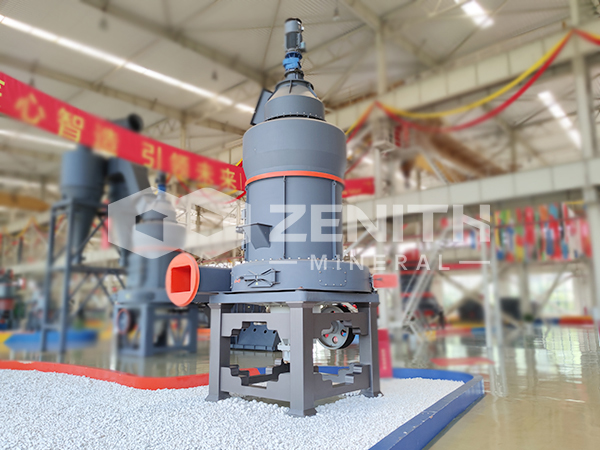
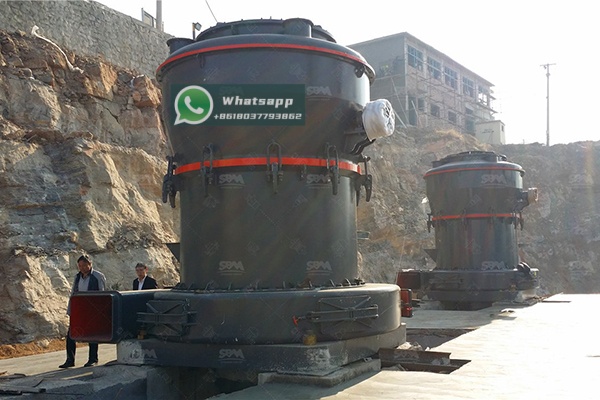
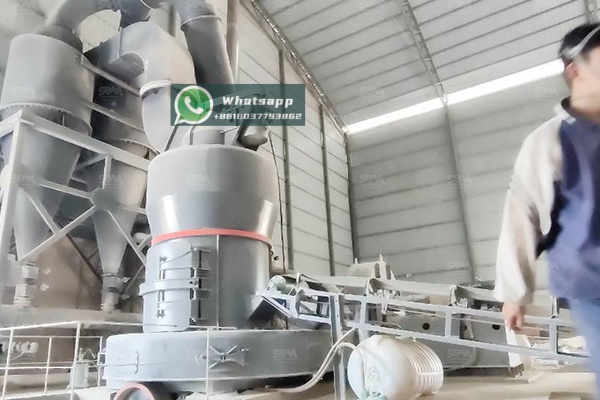
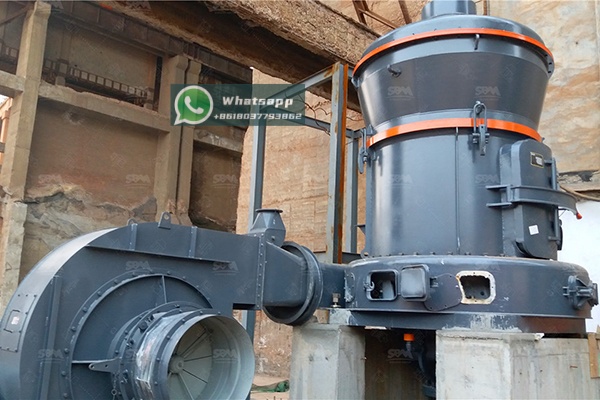
The MTW Trapezium Grinding Mill is a patented mill known for its compact structure, long service life, and eco-friendly design. It is suitable for materials with a maximum input size of 50 mm and can produce a final product as fine as 0.038 mm. The MTW series is an excellent option for cement additive producers who need medium capacity and precise fineness control. Model options include the MTW110 with 3-9 t/h, the MTW138Z with 6-17 t/h, the MTW175G with 9.5-25 t/h, and the MTW215G with 15-45 t/h. Final size range is typically 1.6-0.045 mm, and main motor power ranges from 55 kW to 280 kW.
For a South African cement plant using limestone as an additive, the MTW175G or MTW215G can be a practical choice when the target is around 0.045-0.10 mm with moderate tonnage. The mill’s bevel gear transmission, curved blade, and high-efficiency classifier reduce resistance and improve throughput. Its compact layout also makes it easier to integrate into existing grinding stations or standalone additive preparation facilities. With simple maintenance and reliable wear parts, the MTW mill helps lower downtime and keep cement additive production cost-effective.
Selection Guidance for South African Projects
The best choice depends on capacity, target fineness, moisture, and plant layout. For a large integrated cement plant requiring more than 50 t/h of limestone additive, the LM190K or LM280K is recommended because of its high capacity, drying capability, and low specific energy consumption. For a smaller grinding station or a plant that needs 10-30 t/h with flexible fineness, the MTW175G or MTW215G is a strong option. If the product requires 325-600 mesh for special blended cements, the LM130X-GX or LM220X-GX should be considered. In all cases, Shanghai Zenith can provide process design, equipment selection, installation guidance, and spare parts support to ensure the mill matches South African operating conditions.
South African cement producers should also evaluate the full circuit: feed silo, weigh feeder, metal detector, mill, classifier, bag filter, fan, air compressor, and packing or transport to the cement mill. Automation and remote monitoring can help manage load shedding and reduce manual intervention. Because limestone is relatively easy to grind but can be abrasive when silica content is high, wear-resistant liners and proper maintenance schedules are important. A trial grinding test using representative quarry samples is recommended before finalizing the mill size and configuration.
Conclusion
Limestone is a valuable cement additive in South Africa, helping producers reduce clinker content, lower CO2 emissions, and control costs. To realize these benefits, the limestone must be ground to a consistent, optimized fineness. The LM Vertical Grinding Mill and MTW Trapezium Grinding Mill from Shanghai Zenith Machinery Co., Ltd. offer proven, efficient solutions for this application. The LM series excels in high-capacity, integrated grinding and drying, while the MTW series provides flexible, precise, and compact grinding for medium-scale additive production. By selecting the right model and optimizing the circuit, South African cement plants can improve product quality, reduce energy consumption, and strengthen their competitiveness in a demanding market.
Key Equipment
Want This Solution for Your Project?
Contact us for a customized quotation and technical proposal.
Interested in This Solution?
Send us a message and our engineers will get back to you within 24 hours.